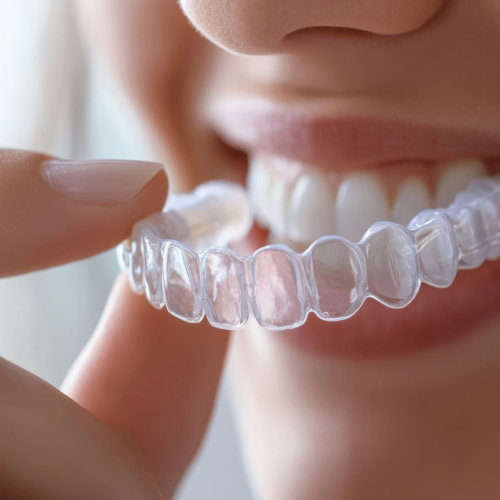
Why Your Invisalign Trays Aren't Fitting — and What to Do About It
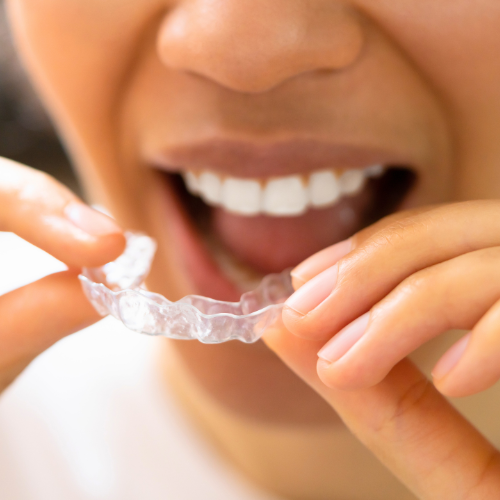
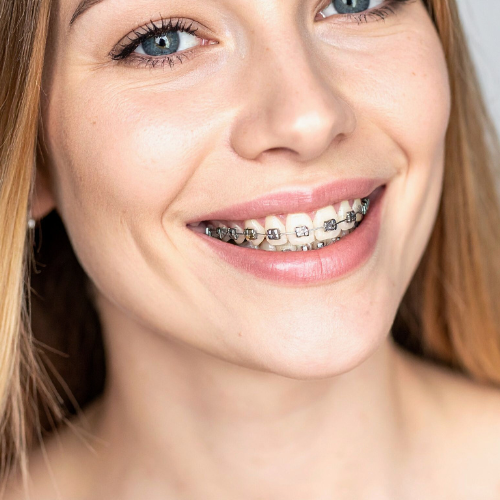
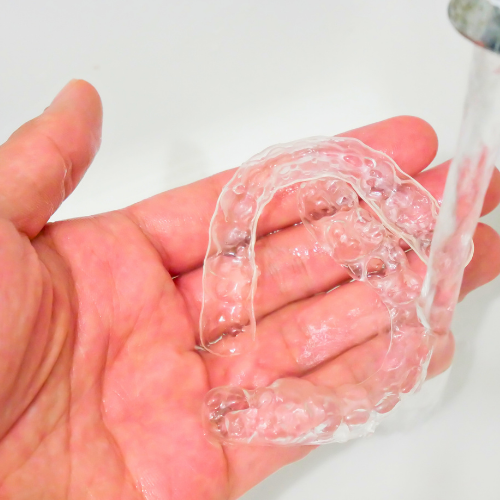
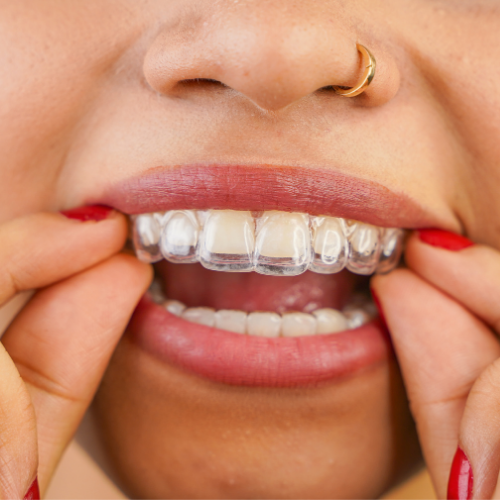
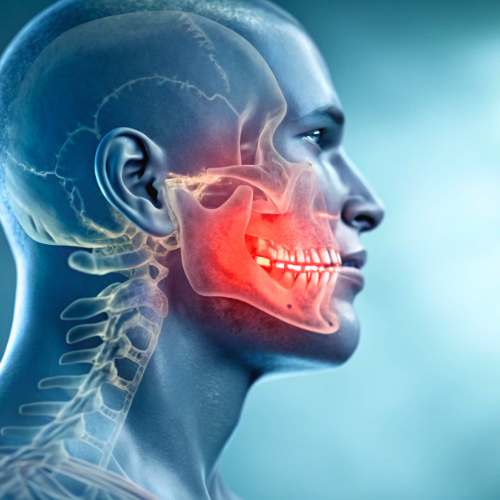
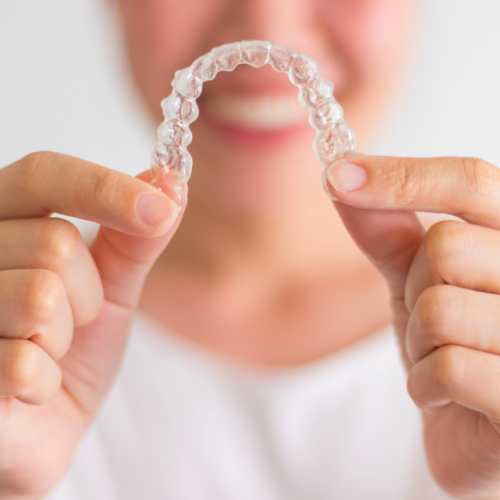
Invisalign trays not fitting right in Houston? Learn why gaps happen, what tracking means, and when refinements are needed. Call Nu Dentistry Tanglewood.
Read More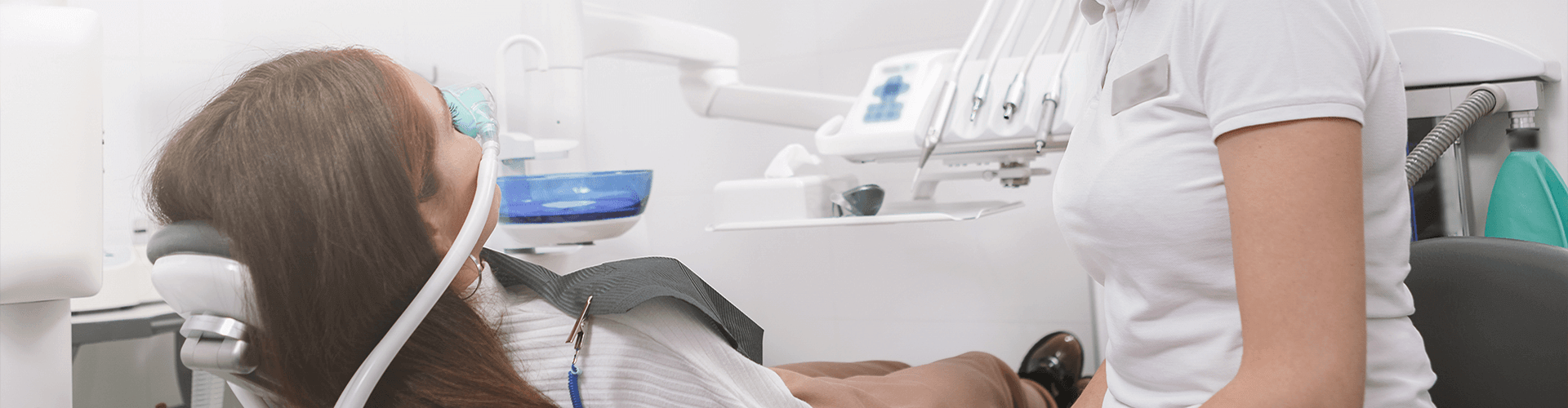
Dental phobia is a common fear that affects millions of people around the world. It can prevent individuals from seeking proper dental care, leading to more severe dental issues in the long run. If you're one of these people who dreads visiting the dentist, then you'll be pleased to know that there's a solution - Sleep Dentistry. This innovative approach to dental care offers a comfortable and pain-free experience that can help you overcome your dental phobia and improve your overall dental health. In this blog post, we'll explore the importance of sleep dentistry for people with dental phobia and how it can change your relationship with dental care for the better. Whether you're someone who avoids the dentist or just wants a more relaxed and comfortable experience, read on to discover the benefits of sleep dentistry.
Oral anxiety, also known as dental phobia or dental anxiety, is a common issue among many people who fear dental procedures. This fear can range from mild to severe, and can even prevent individuals from seeking essential dental care. This can result in further dental problems and make it even harder to overcome the anxiety in the future.
Dental phobia is often a result of a traumatic experience at the dentist, such as a painful procedure or a negative experience with a dentist. It can also stem from a general fear of medical procedures, or a fear of the unknown. Regardless of its cause, dental anxiety can greatly impact a person's quality of life.
Fortunately, sleep dentistry can provide a solution for individuals who suffer from oral anxiety. By being sedated during the procedure, patients can feel relaxed and comfortable, and the procedure can be performed with ease. This can help to overcome the fear and allow for necessary dental work to be completed.
Sleep dentistry treatments are designed to help patients overcome their anxiety and fear of dental procedures. These treatments are not only safe but also highly effective in helping patients achieve a relaxed and comfortable state during their dental procedures. Here are some of the sleep dentistry treatments available to patients:
No matter which sleep dentistry treatment you choose, you can rest assured that you will be in safe hands. Trained and experienced dental professionals will be able to monitor you closely throughout your procedure to ensure your comfort and safety.
When you hear the term "conscious sedation," you might picture yourself lying in a hospital bed, completely unconscious and unaware of your surroundings. But in reality, conscious sedation is a type of anesthesia that allows you to remain fully awake and able to respond to instructions during a medical procedure.
So, what does conscious sedation feel like? Well, it's actually a pretty comfortable and relaxed experience! Once the sedative is administered, you'll start to feel a sense of calm and ease. Your thoughts may become a bit hazy, and you may feel a bit drowsy or sleepy, but you'll still be able to understand and follow directions from your healthcare provider.
One of the biggest benefits of conscious sedation is that you won't have any memory of the procedure itself. So, even though you'll be awake and aware during the procedure, you won't have any recollection of it afterwards. This can be a big plus for those who are anxious or afraid of medical procedures.
Another advantage of conscious sedation is that you won't have any post-operative pain or discomfort. Because the sedative helps to relax you, you'll be less likely to experience any pain or discomfort after the procedure.
Conscious sedation is a safe and effective way to undergo a medical procedure without feeling any discomfort or pain.
Dental procedures can be nerve-wracking, especially when it comes to the thought of being injected with anesthesia. It's only natural to have concerns about the safety of the procedure, but rest assured that dental anesthesia is a safe and effective way to manage pain and discomfort during dental procedures.
Dental anesthesia is administered by trained dental professionals who are well-versed in the proper techniques for administering the drugs and monitoring patients for any adverse reactions. The type and amount of anesthesia used during a dental procedure is carefully selected and tailored to meet the specific needs of each patient, ensuring maximum safety and comfort.
It's important to remember that all medical procedures, including dental procedures, carry some level of risk. However, serious side effects from dental anesthesia are extremely rare, and the benefits of being able to undergo a dental procedure without pain or discomfort far outweigh the risks.
Before undergoing a dental procedure that involves anesthesia, be sure to fully disclose your medical history to your dental professional. This includes any medications you are currently taking, as well as any allergies you may have. This information will help the dental professional select the appropriate type and amount of anesthesia to use, and ensure that the procedure is as safe as possible.
While all medical procedures carry some level of risk, serious side effects from dental anesthesia are rare, and the benefits of being able to undergo a procedure without pain or discomfort far outweigh the risks. Be sure to fully disclose your medical history to your dental professional, and you'll be able to undergo your dental procedure with peace of mind.
Sleep dentistry is an incredibly important option for people who suffer from dental phobia. This type of conscious sedation allows patients to undergo dental procedures while they sleep, ensuring a comfortable and stress-free experience. With the help of trained dental professionals and carefully selected anesthesia, patients can relax and stay comfortable throughout their procedure, without any painful or uncomfortable memories afterwards.
Sleep dentistry offers a safe and effective solution for those who suffer from dental phobia, allowing them to receive the dental care they need without any additional stress or anxiety. So, if you're someone who has been avoiding the dentist due to fear or anxiety, don't hesitate to ask our dental professional about the option of sleep dentistry. You'll be able to receive the dental care you need in a comfortable and relaxed environment, and you'll be able to wake up with a beautiful and healthy smile! Contact us today to find a solution for your dental phobia.
Fresh news from the dental world
SEE WHAT A VISIT TO OUR MODERN, STATE-OF-THE-ART DENTIST OFFICE IS LIKE!


Monday - Friday 9am - 6pm
Saturday 9am - 3pm
Sunday Closed
Check out what our patients are saying in Houston, TX


“Never Thought I'd Say It”
I never thought I’d say it, but going to the dentist is actually fun now. I recently came in for a root canal, and I got to sit back and catch up on Stranger Things without any pain!

“Anxiety Has Kept Me Away ”
I usually have such huge anxiety when I go to a dentist appointment, which means I always put off visits until the last minute to disastrous consequences. However, Dr. Loggins helped me with sedation, so the entire process was a breeze!

“The Best Dentist In Houston”
We have been looking for a family dentist for a long time. Not too long ago we met Dr. Ali. Not only was he professional, kind, and gentle, but he always finds a way to fit us in when we need an appointment. He’s also pretty funny! I appreciate that he takes the time to explain what he’s doing, before he does it. That really puts me at ease.

“Part Of The Family”
When I come in for an exam, Dr. Alrajab makes me feel like I’m a part of his family. I haven’t had a single cavity or filling done since I started coming here, which is a real change from my last hygienist.
“Never Thought I'd Say It”
I never thought I’d say it, but going to the dentist is actually fun now. I recently came in for a root canal, and I got to sit back and catch up on Stranger Things without any pain!
“Anxiety Has Kept Me Away ”
I usually have such huge anxiety when I go to a dentist appointment, which means I always put off visits until the last minute to disastrous consequences. However, Dr. Loggins helped me with sedation, so the entire process was a breeze!
We are proud members of these dental organizations and accreditations


Check us out and follow our Houston, TX practice on social media...


