Medically Reviewed by Dr. Ali Tameemi
SmileDirectClub shut down in late 2023 after declaring bankruptcy, leaving thousands of patients mid-treatment with no support and ongoing billing disputes. The lawsuits were real, rooted in documented clinical harms — and if you're one of the abandoned patients, there are concrete steps you can take right now to protect your teeth and your finances.
The Science Behind Why SDC Failed Its Patients — Not Just Its Investors
For Houston-area patients, most comparisons between SmileDirectClub and Invisalign focus on the obvious: no in-office visits versus regular check-ins. That framing misses the actual dental science that made SDC clinically dangerous for many patients.
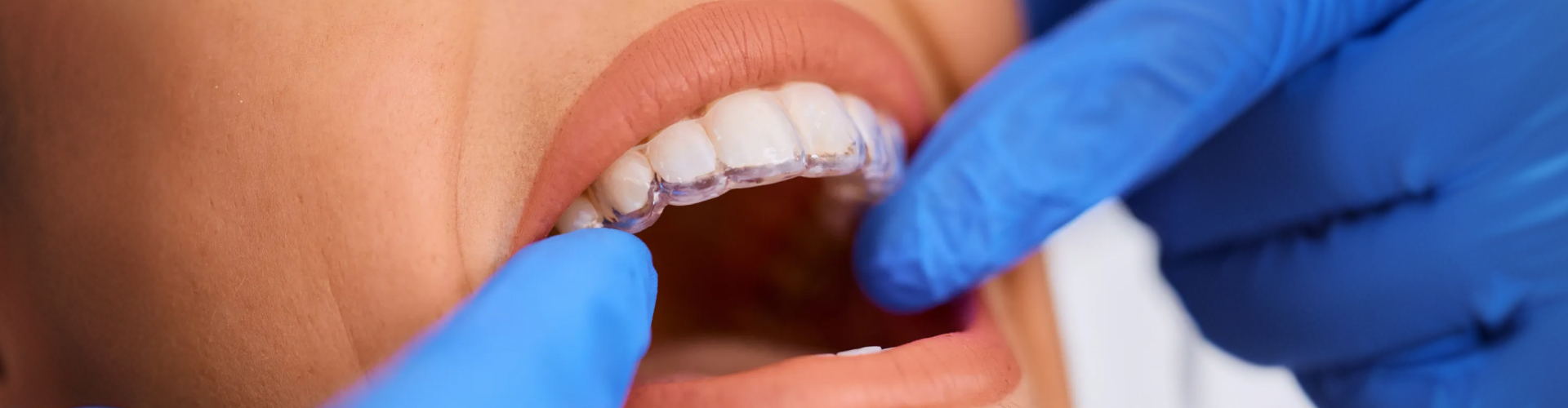
Safe orthodontic tooth movement requires what's called translation — moving the entire tooth, crown and root together, through the alveolar bone. Invisalign achieves this using patented SmartForce attachments: small tooth-colored composite bumps bonded directly to the enamel. These attachments give the aligner a physical grip point, allowing controlled torque forces that guide the root safely through the bone.
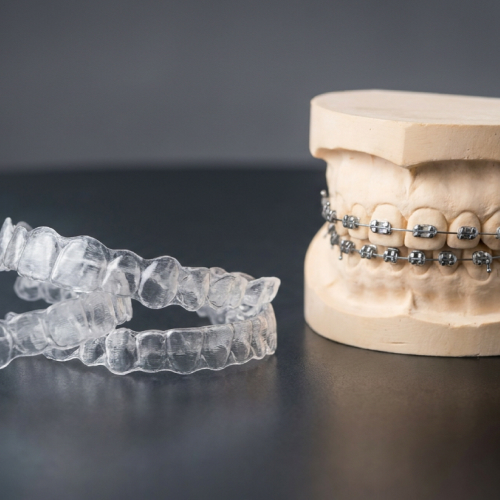
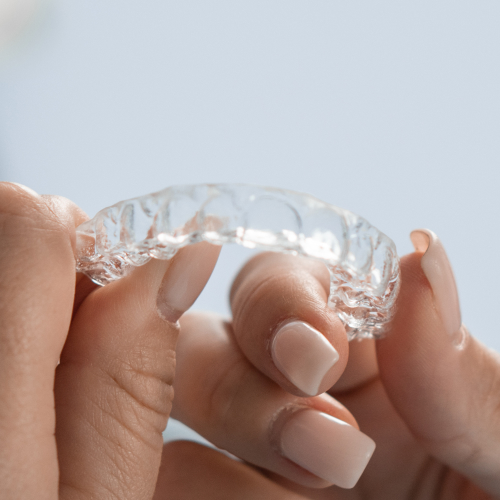
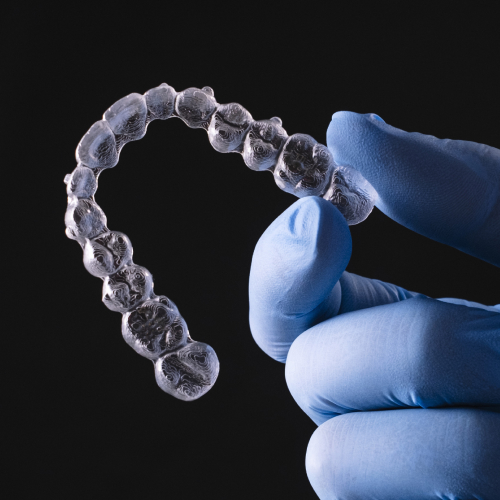
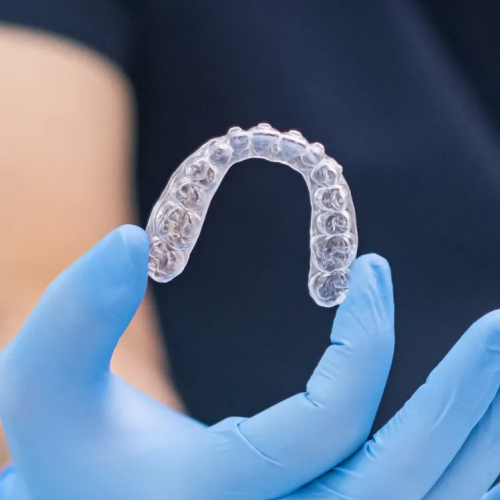
SDC's aligners had no such attachments. A smooth plastic tray can only apply force to the visible crown of the tooth. The result is tipping — the crown tilts in the desired direction while the root is dragged along without controlled guidance. According to Healthline's overview of removable braces, direct-to-consumer companies relying on home impressions can miss significant issues with teeth and bite that a trained dental professional would catch in person.
Uncontrolled tipping is what underlies the bone loss, gum disease, and tooth mobility that appeared in the class-action lawsuits filed against SDC. These weren't freak outcomes — they were predictable consequences of a biomechanically incomplete system being sold as equivalent to supervised orthodontic care.
The American Dental Association saw this coming. As the ADA stated in its 2019 FDA citizen petition, SDC required customers to self-report their dental condition rather than undergo any professional examination — a practice that falls well below the applicable standard of care. Plastic teeth aligners are classified by the FDA as Class II medical devices requiring a prescription, and the ADA argued SDC was knowingly evading that restriction.
What "Abandoned Aligner Patient" Actually Means — and Your Triage Plan
When SDC shuttered in December 2023, its website confirmed that aligner treatment and customer care support were both gone. The ADA reported that the company's closure highlighted "yet another risk of direct-to-consumer dentistry — patient abandonment," with ADA President Linda Edgar, D.D.S., urging ADA member dentists to offer free evaluations to those left without care.
If you were mid-treatment when SDC closed, here's a clinical triage approach:
Step 1 — Use your current tray as a temporary retainer. Do not stop wearing it entirely. Teeth that have been actively moving will relapse quickly without any appliance in place. Switching to nighttime-only wear with your most recent tray slows relapse while you seek professional help. Do not force a newer tray that causes pain — if it no longer fits comfortably, revert to the last one that did.
Step 2 — Get a professional assessment before doing anything else. A dentist or orthodontist needs to take current X-rays to assess root position and bone levels during a cleaning and exam. This is not optional. SDC never monitored these structures, meaning damage may have occurred silently.
Step 3 — Ask specifically about "rescue case" or "transfer case" pricing. Many orthodontists will charge only for the remaining active treatment needed rather than a full new case fee. Bring any records SDC provided — treatment plans, tray numbers, photos — to that consultation. The more documentation you have, the easier it is for a provider to assess how far along you were.
Disputing Ongoing Bills From a Bankrupt Company
Thousands of former SDC customers financed their aligners through third-party lenders like Healthcare Finance Direct. SDC's bankruptcy did not automatically cancel those loan agreements — meaning people are still receiving monthly bills for a service that no longer exists.
This is a legitimate legal dispute, not just a customer service complaint. The legal concept at play is failure of consideration: you entered a contract to receive ongoing clinical oversight and aligner support, and that service was not delivered in full. You are not simply unhappy with the results — the contracted service was materially discontinued.
Here's how to protect yourself:
- File a formal written dispute with your lender immediately. Reference the date SDC ceased operations and state that the contracted service — including clinical support and the Lifetime Smile Guarantee — was not fulfilled. Keep copies of everything.
- Invoke the Fair Credit Billing Act (FCBA). Under the FCBA, you have the right to dispute a billing error in writing within 60 days of the statement date. A lender must acknowledge your dispute within 30 days and resolve it within two billing cycles. During the dispute period, the lender cannot report the disputed amount as delinquent to credit bureaus.
- Contact the Consumer Financial Protection Bureau (CFPB) if your lender refuses to engage. Filing a CFPB complaint creates a formal record and often prompts a faster response from financial institutions.
- Consult a consumer protection attorney if the balance is significant. Many work on contingency for FCBA cases.
A Healthline overview of Invisalign financing options notes that FSA and HSA funds can be used for orthodontic treatment — worth keeping in mind as you transition to legitimate supervised care.
Moving Forward: Supervised Orthodontics Is the Safer Path
The SDC story is a clear case study in what the ADA has consistently warned about. According to the ADA, direct-to-consumer dentistry has the potential to cause "irreversible harm to individuals, who are treated as 'customers' rather than patients." Policies discouraging DIY orthodontics were formally adopted by the ADA House of Delegates as early as 2017 and 2018.
Invisalign, when administered by a trained dentist or orthodontist, includes regular monitoring of tooth movement, bite assessment, and the SmartForce attachment system that makes complex, safe movement possible. That clinical oversight isn't a sales pitch — it's the mechanism that separates a controlled medical treatment from a consumer product. Patients who experienced significant tooth movement issues may also need restorative solutions such as a tooth crown or dental implants to address damage before pursuing further alignment treatment.
If you're in the Greater Houston area and were affected by SDC's closure, or if you're simply exploring clear aligner options and want to understand what supervised treatment actually involves, a proper in-person evaluation is the right first step. For patients concerned about the experience, dental sedation options are available to help make any necessary assessments or corrective procedures more comfortable.
Ready to Get Your Smile Back on Track in Houston?
Nu Dentistry Tanglewood welcomes patients in the Houston area — including Tanglewood, Uptown, and surrounding neighborhoods — who were left without care after SmileDirectClub's closure. Our team can assess where your treatment currently stands, discuss realistic options for completing or correcting your alignment, and answer your questions about supervised clear aligner therapy and aesthetic dentistry. Reach out to schedule your evaluation today.
Medical disclaimer: This article is intended for informational purposes only and does not constitute professional dental or legal advice. Individual clinical situations vary. Consult a licensed dentist and, for financial disputes, a qualified consumer protection attorney.