Medically Reviewed by Dr. Ali Tameemi
Metal braces are highly effective, but they come with real tradeoffs in comfort and durability compared to ceramic brackets and clear aligners. Understanding the biology behind bracket irritation and pain helps you make a smarter choice — and ask better questions at your orthodontic consultation.
The Lip Irritation Problem Nobody Explains Properly
Most orthodontic guides tell you to use dental wax when your braces irritate your lips. That's fine advice, but it skips the more useful explanation: why certain brackets cause more irritation than others, and how you can actually influence that outcome. For Houston-area patients, those dealing with bracket irritation often benefit from keeping up with their cleaning and exam appointments, since professional cleanings help manage the plaque buildup that worsens soft tissue inflammation around brackets.
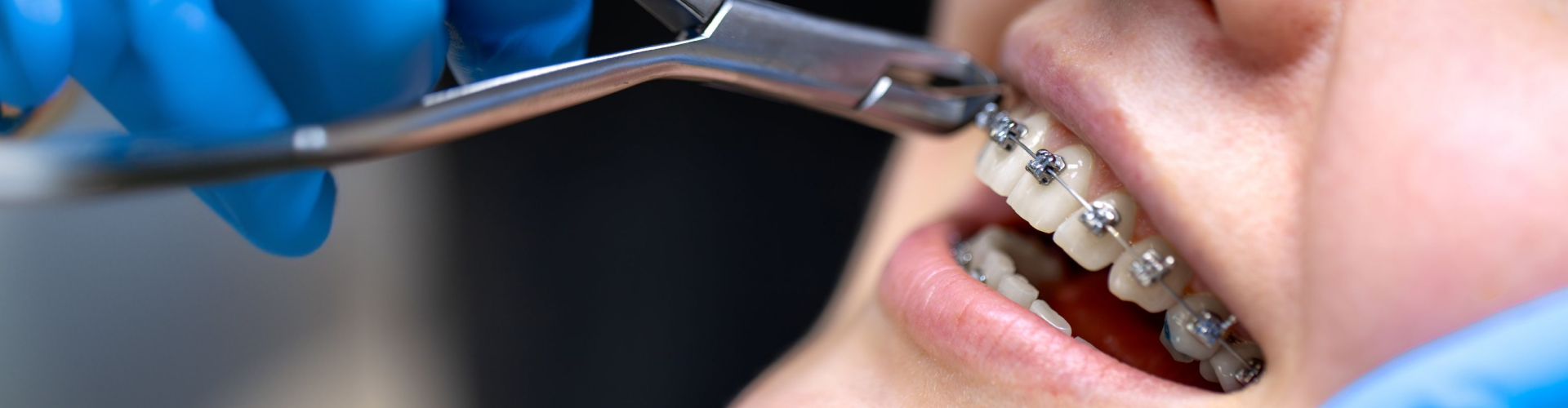
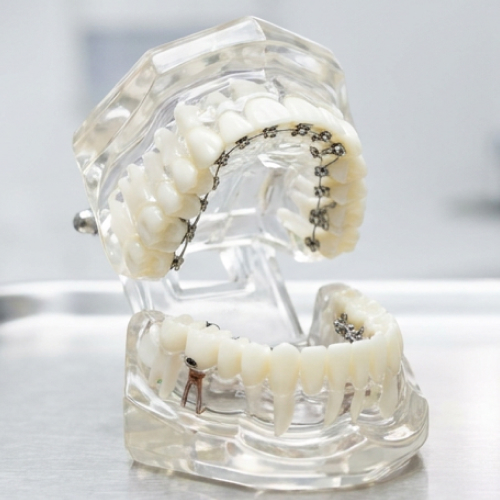
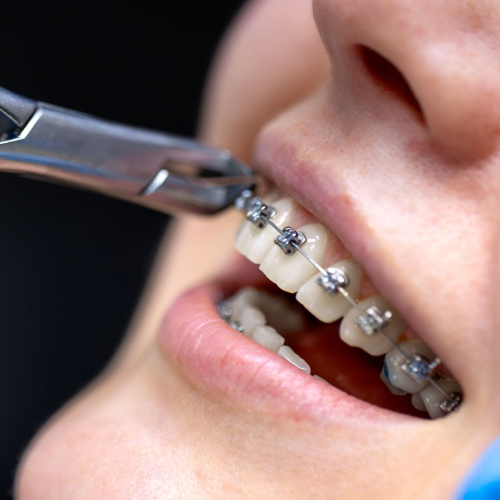
Every metal bracket protrudes a few millimeters from the tooth surface. That protrusion — called the bracket's profile height — physically contacts the inner lip hundreds of times a day. The inner lip isn't uniform tissue. There's a boundary called the wet-dry line, where the moist mucosal lining of the inner lip meets the drier outer skin. This transition zone is especially vulnerable to micro-trauma because the tissue there is thinner and less keratinized than the outer lip.
Standard metal brackets typically have a higher profile than "mini" or low-profile metal variants. The difference may seem small in millimeters, but against soft mucosal tissue that's already compressed by speaking and chewing, even a fraction of a millimeter of extra projection translates to meaningfully more scraping and microabrasion.
Ceramic brackets, while aesthetically popular, are generally larger in overall size than metal brackets — which can make them harder to clean and may increase contact with the gum line and inner lip. A Healthline overview of ceramic braces notes that ceramic brackets are larger than metal brackets, which can make it harder to clean around them and may lead to gum sensitivity.
The practical takeaway: if you're prone to canker sores or have sensitive oral mucosa, ask your orthodontist specifically about low-profile or mini metal brackets. That single hardware choice can reduce day-to-day mucosal irritation more than any amount of wax.
Research published in PMC confirms that approximately 51–63% of orthodontic patients develop mucosal ulcers at some point during treatment, with mechanical irritation from brackets and wires being a primary cause. These aren't minor nuisances — they can affect eating, speaking, and how consistently patients wear their appliances.
Shear Bond Strength: Why "Durable" Means More Than You Think
When people compare metal and ceramic braces on durability, the conversation usually stops at "metal is stronger." That's true, but the clinically relevant question is more specific: how much force can a bracket absorb before it de-bonds from your tooth?
This is measured in megapascals (MPa) of shear bond strength, or SBS. Metal brackets bond through a micromechanical mesh base that allows orthodontic adhesive to lock in tightly. Ceramic brackets, by contrast, rely on either a recessed base or a silane coating for adhesion — and ceramic as a material is more brittle and rigid than stainless steel.
Why does this matter for your treatment timeline? Every bracket failure means an emergency appointment to re-bond. During the time between a bracket popping off and being replaced, the tooth it was attached to is no longer receiving controlled force. Depending on how long the gap lasts and where in the treatment sequence you are, this can add weeks to your overall treatment duration. A bracket that repeatedly fails may also expose the underlying tooth to decay risk, potentially requiring a cavity filling if left unaddressed.
A clinical study on bracket failure rates from PMC found that ceramic brackets are more prone to fracture and bond failure than stainless steel brackets, partly because ceramic materials don't form chemical bonds with orthodontic adhesives the same way metal mesh bases do. Metal's microscopic flexibility allows it to absorb chewing forces without transferring all that stress to the adhesive interface — ceramic's rigidity means it either fractures or cleanly de-bonds under equivalent pressure.
For patients who play contact sports, grind their teeth, or eat foods that create high bite forces, this isn't a minor consideration. Metal brackets are simply more forgiving mechanically, and fewer emergency visits means a more predictable treatment timeline.
Two Types of Pain — And Which One You're More Likely to Feel
"Do braces hurt more than aligners?" is the wrong question. The better question is: which type of discomfort are you more sensitive to?
Orthodontic discomfort comes from two distinct biological mechanisms, and they feel completely different.
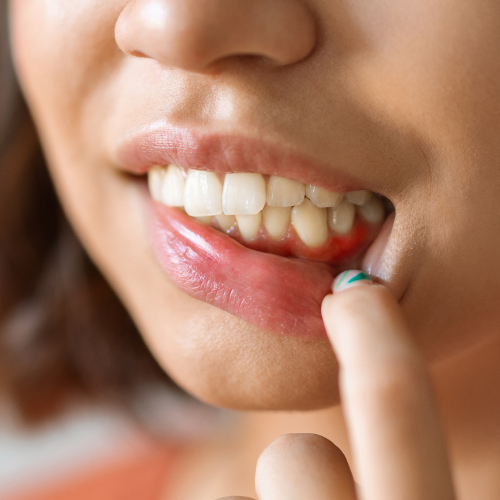
Mucosal abrasion pain is the sharp, localized irritation caused by brackets and wires physically contacting soft tissue. It's the cut on the inside of your cheek, the canker sore under your lower lip, the raw spot on your tongue. This type of pain is more associated with fixed appliances — metal and ceramic braces — because there are hard, stationary objects in constant contact with soft tissue.
Periodontal ligament ischemia is the dull, throbbing, pressure-type soreness caused by tooth movement itself. When a bracket or aligner applies force to a tooth, it compresses the periodontal ligament — the connective tissue anchoring the tooth to the jawbone. That compression temporarily restricts blood flow, triggering an inflammatory response that's responsible for the deep aching you feel after an adjustment or a new aligner tray. Patients who notice persistent soreness around the gum line during treatment should be aware that prolonged inflammation can contribute to gum disease and gingivitis if oral hygiene isn't carefully maintained. Research from PMC on pain during orthodontic treatment notes that between 87% and 95% of adolescents experience pain during fixed orthodontic treatment, especially during the first 24 hours after bonding or adjustment.
Here's how to use this distinction practically:
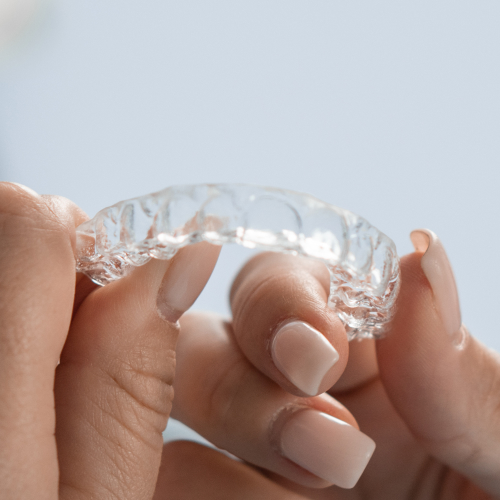
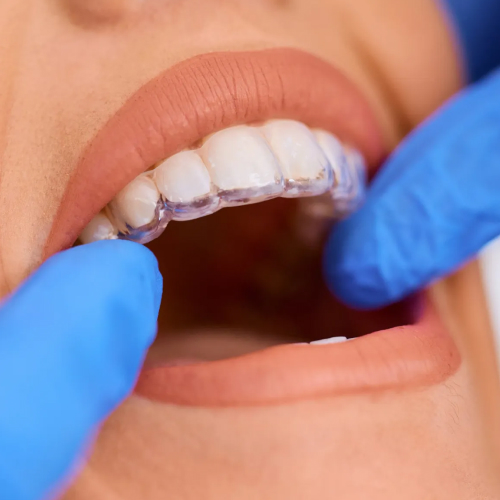
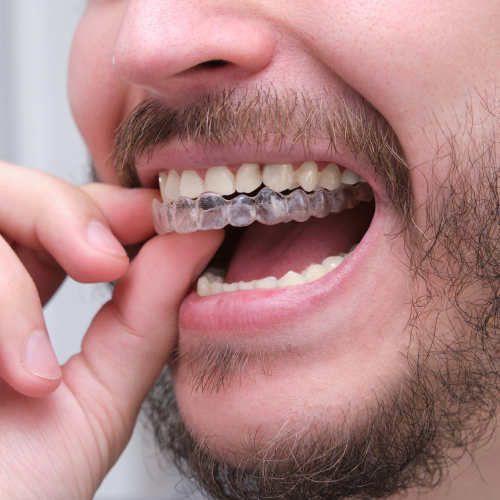
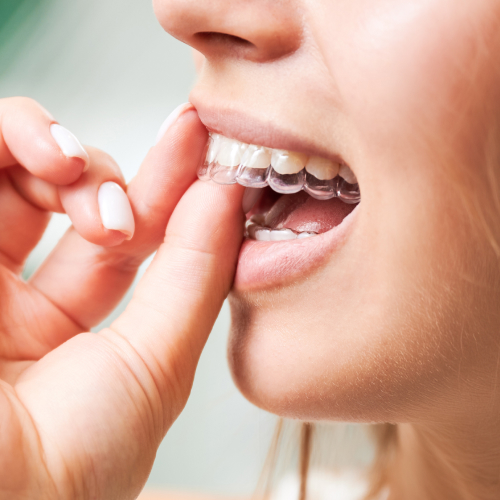
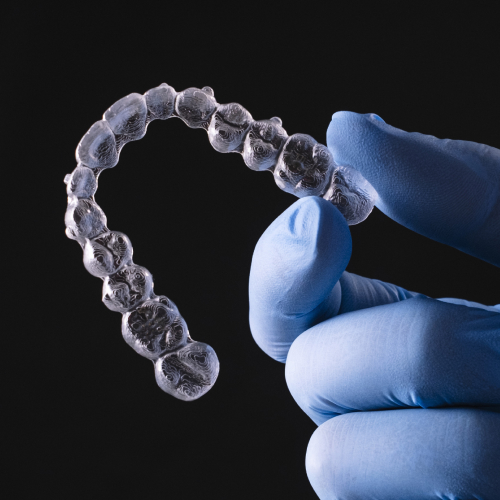
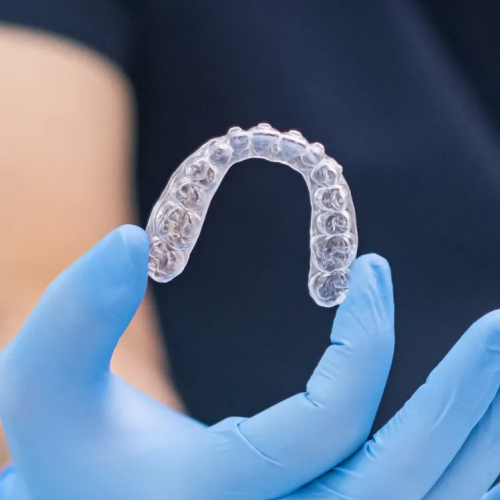
- If you're prone to canker sores, have sensitive oral mucosa, or find sharp localized pain unbearable, metal braces will likely be your biggest challenge. Clear aligners cause significantly less mucosal abrasion because their smooth plastic edges don't create hard contact points.
- If you're more sensitive to deep, constant pressure — the kind that makes it hard to concentrate — aligners may actually feel worse. Each new tray creates a fresh wave of periodontal pressure every one to two weeks.
A randomized trial published in PMC comparing aligner and fixed appliance discomfort found that patients treated with traditional fixed appliances reported significantly greater discomfort than aligner patients during the first week of active treatment, with more analgesic use as well. However, both groups experienced similar levels of initial discomfort at the very start — suggesting that ischemic pressure pain affects all orthodontic patients early on, while mucosal abrasion becomes the differentiating factor over time.
Healthline's overview of braces pain notes that discomfort typically peaks in the first week after placement and after each tightening, then subsides. For most patients, this cycle becomes predictable and manageable — but knowing which pain type you're dealing with helps you prepare appropriately, whether that means soft foods, OTC anti-inflammatories, or orthodontic wax. Patients with significant dental anxiety around these adjustment appointments may also want to ask about dental sedation options to make visits more comfortable.
Ready to Find the Right Fit in Houston?
Choosing between metal braces, ceramic brackets, or clear aligners isn't just a cosmetic decision — it's a clinical one that depends on your bite complexity, your pain sensitivity, your oral hygiene habits, and your lifestyle. For patients who want to explore smile improvements beyond alignment, options like porcelain veneers or aesthetic dentistry treatments can complement orthodontic results once your bite is corrected.
At Nu Dentistry Tanglewood, our team serves patients across Houston, including the Tanglewood and Uptown areas, and we walk through every tradeoff with you before a single bracket is placed. Whether you're asking about low-profile brackets, bracket durability, or which option causes the least disruption to your daily routine — we have answers.
Schedule a consultation with us today and get a clear picture of what your treatment will actually feel like, not just what it will look like when it's done.
Medical disclaimer: This article is intended for informational purposes only and does not constitute medical or dental advice. Always consult a licensed dental professional for diagnosis and personalized treatment recommendations.