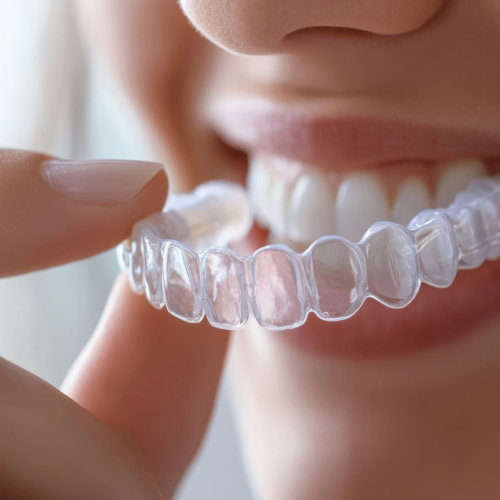
Why Your Invisalign Trays Aren't Fitting — and What to Do About It
Invisalign trays not fitting right in Houston? Learn why gaps happen, what tracking means, and when refinements are needed. Call Nu Dentistry Tanglewood.
Read More
Teeth whitening can transform your smile, boosting your confidence and enhancing your appearance. However, maintaining those pearly whites requires some post-treatment care. Here's what you need to know to keep your teeth shining bright after a bleaching procedure.
After undergoing a teeth whitening procedure, your teeth are more susceptible to staining and sensitivity. To protect your newly brightened smile, it's crucial to avoid certain foods, drinks, and habits for at least 48 hours:
Dark-Colored Beverages: Coffee, tea, red wine, and sodas are notorious for staining teeth. The pigments in these drinks can quickly undo the whitening effects. Instead, opt for water, milk, or clear beverages such as herbal teas and white wine. Using a straw can also help minimize contact with your teeth if you must consume these drinks.
Staining Foods: Certain foods contain strong pigments that can leave marks on your teeth. Avoid berries (such as blueberries, blackberries, and cherries), soy sauce, tomato-based products (like pasta sauce and ketchup), and dark chocolate. These foods can penetrate the enamel and cause discoloration. Opt for lighter-colored foods like bananas, white rice, chicken, and potatoes during this period.
Smoking: Nicotine and tar from cigarettes can quickly discolor your teeth, turning them yellow or brown. Smoking also slows down the healing process and can increase sensitivity. This might be the perfect opportunity to quit smoking and protect your oral health overall.
Acidic Foods and Drinks: Citrus fruits (such as oranges, lemons, and grapefruits), vinegar, pickles, and other acidic foods and beverages can increase tooth sensitivity and cause discomfort. The acids can erode the enamel, making your teeth more vulnerable to staining and decay. It's best to avoid these to ensure your enamel stays strong and your whitening results last longer.
Hot or Cold Foods: Your teeth may be sensitive to temperature changes after whitening. Consuming very hot or very cold foods and drinks can exacerbate this sensitivity, leading to discomfort. Stick to foods and drinks at room temperature to avoid unnecessary irritation.
Colored Mouthwashes: Some mouthwashes contain dyes that can stain your teeth. If you use a mouthwash, choose one that is colorless and alcohol-free to avoid any potential staining and further sensitivity.
By adhering to these guidelines and making mindful choices about what you consume, you can help preserve the brilliance of your freshly whitened smile. Remember, these precautions are most crucial in the first 48 hours following your treatment, but maintaining good habits long-term will ensure your teeth stay bright and healthy.
Many patients wonder if their teeth will continue to whiten after the initial treatment. The short answer is yes, to some extent. Here's how:
Residual Bleaching Effects
The active ingredients in whitening products, typically hydrogen peroxide or carbamide peroxide, may continue to work for a short period after the initial treatment. This is particularly true with at-home kits, where you might be instructed to use a follow-up product for a few days or weeks. These residual effects can help further brighten your teeth slightly, ensuring that you achieve the maximum possible whitening.
Post-Treatment Maintenance
Maintaining your newly whitened teeth requires a consistent oral care routine. Using a whitening toothpaste can help remove surface stains and prevent new ones from forming. Your dentist may also recommend specific products or techniques to help prolong the effects of your whitening treatment.
A good oral hygiene routine is essential. This includes brushing at least twice a day, flossing daily, and using mouthwash. Additionally, avoiding foods and drinks that can stain your teeth, such as coffee, tea, red wine, and dark-colored berries, can help maintain your bright smile. If you consume these items, brushing soon after can minimize their staining potential.
Regular dental check-ups and cleanings are also crucial. Your dentist can monitor the health and color of your teeth, providing professional cleanings that remove deeper stains and tartar build-up. During these visits, your dentist can offer advice on touch-up treatments if needed, ensuring your teeth remain as white as possible.
Lifestyle and Dietary Adjustments
Making some lifestyle and dietary adjustments can also support the longevity of your whitening results. Drinking plenty of water helps wash away food particles and reduces the risk of stains. Eating crunchy fruits and vegetables, such as apples and carrots, can naturally scrub your teeth and promote oral health. Dairy products, which are rich in calcium, can help strengthen your enamel and maintain the brightness of your teeth.
Post-whitening care is essential, but it doesn’t mean you have to stick to a restricted diet forever. Generally, you can resume your normal eating habits after 48 hours. However, taking certain precautions and easing back into your routine can help maintain your results longer and minimize any discomfort.
Immediate Post-Whitening Period: The First 48 Hours
For the first 48 hours after your teeth whitening procedure, it's critical to follow a "white diet," which includes foods and drinks that are low in pigmentation and acidity. This period is crucial as your teeth are more porous and susceptible to staining.
Gradual Reintroduction: How to Resume Normal Eating Habits
Start with less staining foods like white rice, chicken, pasta without sauce, and dairy products. Slowly reintroduce more colorful items like fruits and vegetables, but be mindful of their staining potential. Avoid overly acidic foods initially, such as citrus fruits and vinegars, as they can still cause sensitivity and potential enamel erosion. Stick to room temperature foods and drinks at first, as your teeth may still be sensitive to extreme temperatures. Gradually reintroduce hot or cold foods to give your teeth time to adjust.
Long-Term Maintenance: Keeping Your Smile Bright
Maintaining good oral hygiene is vital. Regular brushing and flossing, along with using a whitening toothpaste, can help maintain your bright smile. Consider using a straw for beverages that could stain your teeth. Regular dental check-ups are essential for routine cleanings and touch-ups. Professional cleanings can help remove surface stains, and your dentist can provide guidance on maintaining your whitening results.
Incorporate foods that promote dental health, such as crunchy fruits and vegetables, which can help clean your teeth naturally. Dairy products like cheese and yogurt are beneficial for strengthening enamel. Drinking plenty of water helps wash away food particles and reduce the risk of stains.
Remember, while you can start eating normally after 48 hours, making mindful choices about your diet and maintaining a consistent oral hygiene routine will ensure your teeth stay bright and healthy for as long as possible.
Ready to achieve a brighter, more confident smile? Our dental office offers professional teeth whitening treatments tailored to your needs. With our expert care and post-treatment guidance, you'll enjoy lasting results and a radiant smile.
Don't wait to transform your look. Schedule an appointment with us today and take the first step towards a whiter, brighter smile!
Fresh news from the dental world
SEE WHAT A VISIT TO OUR MODERN, STATE-OF-THE-ART DENTIST OFFICE IS LIKE!


Monday - Friday 9am - 6pm
Saturday 9am - 3pm
Sunday Closed
Check out what our patients are saying in Houston, TX


“Never Thought I'd Say It”
I never thought I’d say it, but going to the dentist is actually fun now. I recently came in for a root canal, and I got to sit back and catch up on Stranger Things without any pain!

“Anxiety Has Kept Me Away ”
I usually have such huge anxiety when I go to a dentist appointment, which means I always put off visits until the last minute to disastrous consequences. However, Dr. Loggins helped me with sedation, so the entire process was a breeze!

“The Best Dentist In Houston”
We have been looking for a family dentist for a long time. Not too long ago we met Dr. Ali. Not only was he professional, kind, and gentle, but he always finds a way to fit us in when we need an appointment. He’s also pretty funny! I appreciate that he takes the time to explain what he’s doing, before he does it. That really puts me at ease.

“Part Of The Family”
When I come in for an exam, Dr. Alrajab makes me feel like I’m a part of his family. I haven’t had a single cavity or filling done since I started coming here, which is a real change from my last hygienist.
“Never Thought I'd Say It”
I never thought I’d say it, but going to the dentist is actually fun now. I recently came in for a root canal, and I got to sit back and catch up on Stranger Things without any pain!
“Anxiety Has Kept Me Away ”
I usually have such huge anxiety when I go to a dentist appointment, which means I always put off visits until the last minute to disastrous consequences. However, Dr. Loggins helped me with sedation, so the entire process was a breeze!
We are proud members of these dental organizations and accreditations


Check us out and follow our Houston, TX practice on social media...


