
Dental Implants in Houston: What Actually Determines Long-Term Success
Considering dental implants in Houston? Learn what determines long-term success: bone foundation, materials, and surgical planning. Book a consultation at Nu Dentistry.
Read More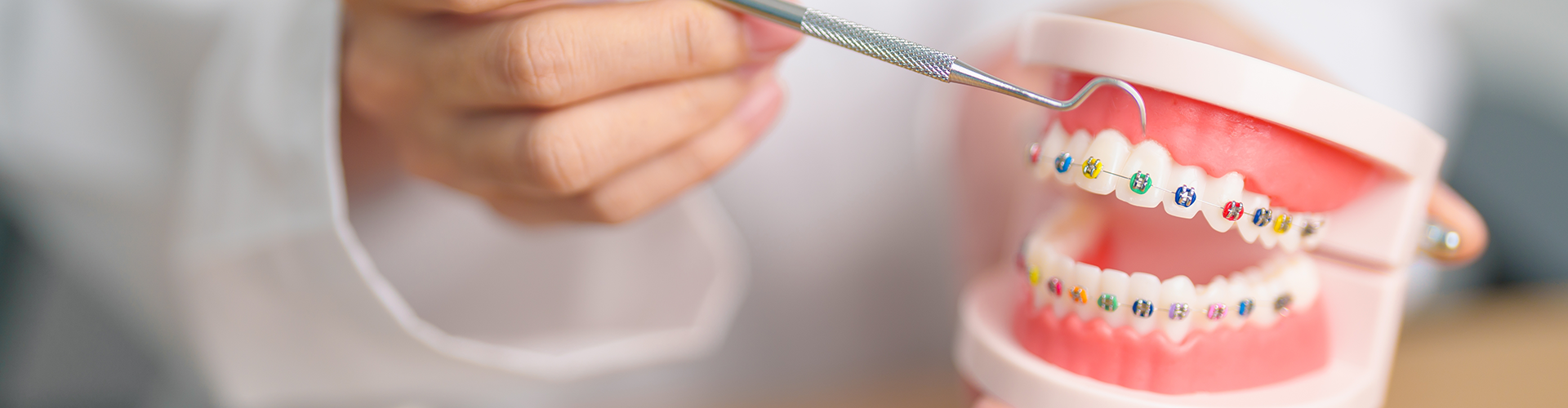
Deciding to get braces is a significant step toward achieving a healthy, beautiful smile. But many patients wonder: when is the right time to start treatment, and how long will it take? To help you make an informed decision, we’re addressing three key questions about the timing of braces—covering the best age to get them, the right time to start treatment, and the expected duration of wearing them.
Orthodontic treatment can be beneficial at almost any age, but certain periods are particularly effective for achieving the best results. For children, the optimal time to get braces typically falls between the ages of 10 and 14. This is because, during these years, the mouth and jaw are still growing and developing. As a result, it’s easier for orthodontists to guide the teeth into their proper positions, addressing issues such as crooked teeth, gaps, overcrowding, or bite problems more efficiently. The growth of the jaw during this time allows for more straightforward adjustments, often leading to shorter treatment durations and better outcomes.
The timing also coincides with the period when most of the baby teeth have been replaced by permanent teeth. Orthodontists can then accurately assess the alignment and positioning of the adult teeth and plan an effective treatment strategy. Early intervention can prevent more severe dental issues later in life, making this a crucial window for orthodontic care.
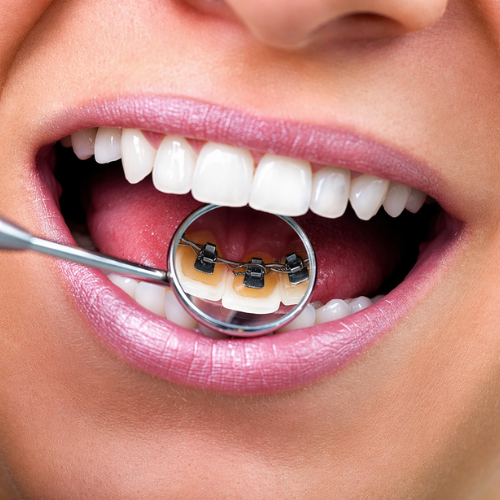
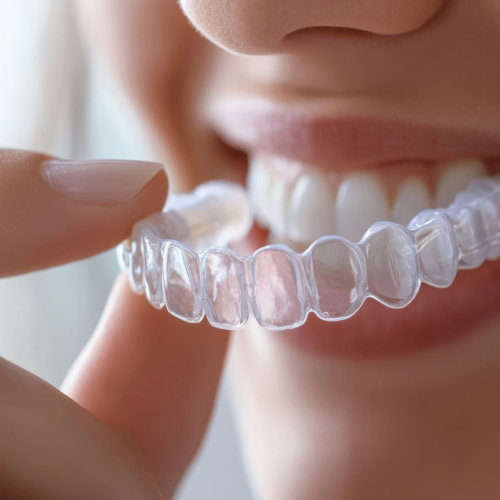
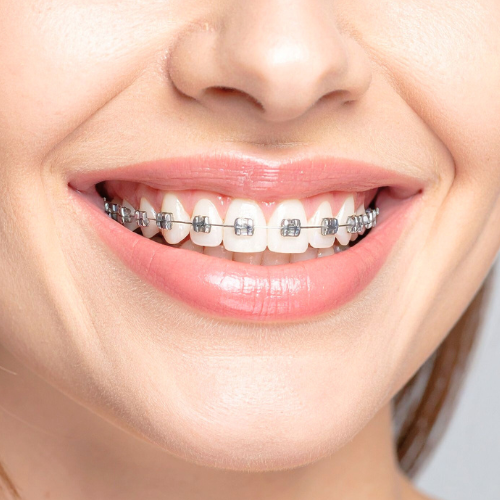
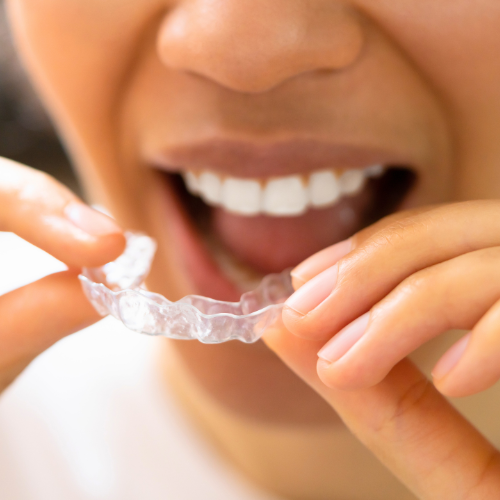
However, it's important to note that braces aren’t just for children and teenagers. Many adults are also excellent candidates for orthodontic treatment. With today’s advances in orthodontics, adults can choose from a variety of discreet options, such as clear aligners, ceramic braces, or lingual braces that fit behind the teeth. These options make it possible to achieve a beautiful smile without the noticeable appearance of traditional metal braces.
While the biological changes in adults, such as a fully developed jaw, can mean that treatment may take longer compared to children or teens, the effectiveness of adult orthodontics remains high. The key difference lies in the adaptability of the bones and tissues; while children’s bones are still malleable, adult bones are more set, requiring a bit more time to achieve the same movement. Nevertheless, with commitment and proper care, adults can achieve results that are just as transformative.
In summary, while 10 to 14 years old is considered the ideal age for braces due to the developmental advantages, adults should not feel discouraged. Orthodontic treatment can be life-changing at any age, providing not only aesthetic improvements but also significant oral health benefits, such as easier cleaning, better bite alignment, and reduced wear on teeth. Whether you’re a parent considering braces for your child or an adult exploring orthodontic options for yourself, it’s never too early—or too late—to take that first step toward a healthier smile.
Timing your braces treatment depends on individual dental needs, but starting early can prevent more complex problems down the road. An initial consultation with an orthodontist should ideally happen by age 7, even if braces won’t be needed immediately. This allows the orthodontist to monitor your child's dental development and identify the best time to begin treatment. For adults considering braces, it’s never too late to start—whether it’s for cosmetic reasons or to correct bite issues, beginning sooner rather than later can help you achieve your desired results.
The length of time you'll need to wear braces depends on several key factors:
Complexity of the Case: The more complex your dental issues, the longer the treatment will likely take. Minor issues, like small gaps or slightly crooked teeth, may require as little as 12 months of treatment. In contrast, more severe problems such as significant overcrowding or jaw misalignment could extend the treatment time to 24 months or even longer.
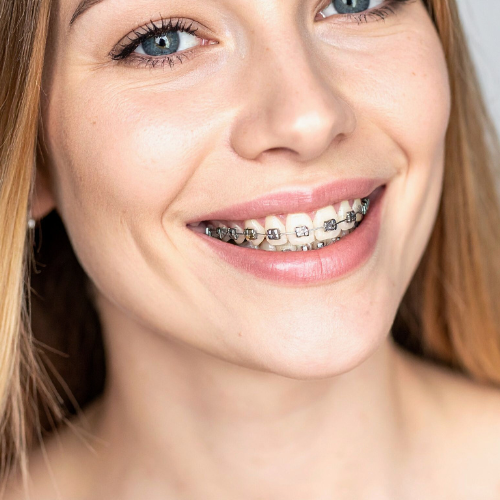
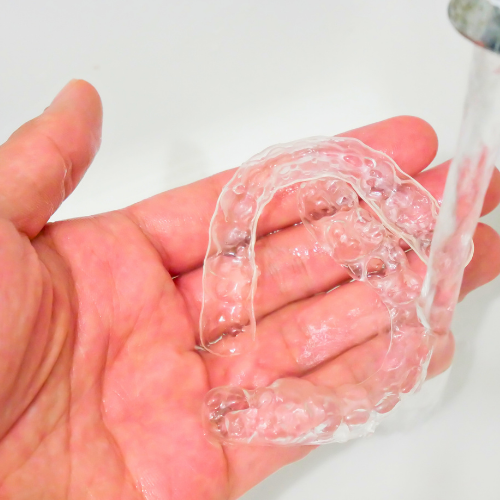
Type of Braces: The type of braces you choose also affects the treatment duration. Traditional metal braces are generally the most efficient, applying consistent pressure to move teeth quickly. Ceramic braces, while more aesthetically pleasing, might take slightly longer due to their more delicate structure. Clear aligners, like Invisalign, are popular for their discreet appearance, but their effectiveness heavily relies on wearing them as instructed—20 to 22 hours a day. Any deviation from this can prolong the treatment.
Patient’s Age: Age plays a role in how long braces need to be worn. Younger patients, particularly those in their early teens, often experience quicker results because their jaws and teeth are still growing and are more adaptable to change. Adults, however, may require longer treatment periods due to fully developed bones, which make tooth movement slower.
Patient Cooperation: Your commitment to following the orthodontist’s instructions can significantly impact the length of your treatment. This includes wearing rubber bands, headgear, or aligners as directed, and attending regular adjustment appointments. Failing to adhere to these guidelines can extend the time you need to wear braces.
Retention Phase: After braces are removed, the retention phase begins. Wearing a retainer as instructed is crucial to keep your teeth in their new positions. Initially, retainers are often worn full-time for several months, then at night indefinitely to prevent teeth from shifting back.
On average, most people wear braces for 18 to 24 months. However, the duration can vary depending on the complexity of your case, the type of braces, your age, and how well you follow the treatment plan. By understanding these factors, you can work with your orthodontist to ensure a smooth and effective treatment, leading to a lasting, beautiful smile.
If you’re considering braces, understanding the timing—from the best age to start, to how long the process will take—is key to achieving the best results. At Nu Dentistry Houston, we’re here to guide you every step of the way. Schedule a consultation with our experienced orthodontists today and take the first step toward a healthier, more confident smile.
Fresh news from the dental world

SEE WHAT A VISIT TO OUR MODERN, STATE-OF-THE-ART DENTIST OFFICE IS LIKE!


Monday - Friday 9am - 6pm
Saturday 9am - 3pm
Sunday Closed
Check out what our patients are saying in Houston, TX


“Never Thought I'd Say It”
I never thought I’d say it, but going to the dentist is actually fun now. I recently came in for a root canal, and I got to sit back and catch up on Stranger Things without any pain!

“Anxiety Has Kept Me Away ”
I usually have such huge anxiety when I go to a dentist appointment, which means I always put off visits until the last minute to disastrous consequences. However, Dr. Loggins helped me with sedation, so the entire process was a breeze!

“The Best Dentist In Houston”
We have been looking for a family dentist for a long time. Not too long ago we met Dr. Ali. Not only was he professional, kind, and gentle, but he always finds a way to fit us in when we need an appointment. He’s also pretty funny! I appreciate that he takes the time to explain what he’s doing, before he does it. That really puts me at ease.

“Part Of The Family”
When I come in for an exam, Dr. Alrajab makes me feel like I’m a part of his family. I haven’t had a single cavity or filling done since I started coming here, which is a real change from my last hygienist.
“Never Thought I'd Say It”
I never thought I’d say it, but going to the dentist is actually fun now. I recently came in for a root canal, and I got to sit back and catch up on Stranger Things without any pain!
“Anxiety Has Kept Me Away ”
I usually have such huge anxiety when I go to a dentist appointment, which means I always put off visits until the last minute to disastrous consequences. However, Dr. Loggins helped me with sedation, so the entire process was a breeze!
We are proud members of these dental organizations and accreditations


Check us out and follow our Houston, TX practice on social media...


