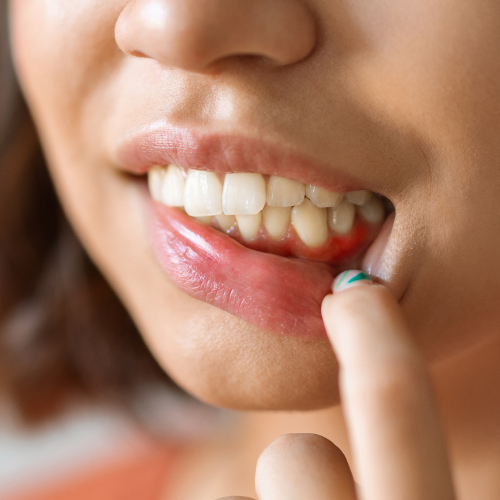
The 4 Stages of Gum Disease — And How to Read the Numbers Your Dentist Calls Out
Houston patients: learn what each gum disease stage means, how to read the pocket numbers your dentist calls out, and when reversal is still on the table.
Read More
Undergoing a root canal treatment can be daunting, but understanding the post-procedure care can make the recovery process much smoother. Whether you're concerned about recovery time, diet, or managing pain, this guide covers everything you need to know to ensure a swift and comfortable healing journey.
The recovery time after a root canal varies from person to person, but generally, most patients feel significantly better within a few days. The initial discomfort typically subsides within 1-2 days, and the treated tooth may feel normal within a week. However, it's important to understand that full healing of the bone and surrounding tissues can take a few months. Here’s a closer look at the recovery timeline and what to expect:
Initial Recovery Phase: The First Few Days
In the immediate aftermath of a root canal, it's common to experience some soreness and sensitivity in the treated area. This discomfort is usually manageable with over-the-counter pain relievers such as ibuprofen or acetaminophen. During this initial phase, it's crucial to avoid chewing with the treated tooth to prevent irritation and promote healing.
The First Week: Resuming Normal Activities
By the end of the first week, most patients find that the discomfort has significantly decreased, and they can begin to use the treated tooth more normally. While the tooth might still be sensitive, especially to hot or cold temperatures, this sensitivity should gradually diminish. It’s important to maintain good oral hygiene during this period, but be gentle around the treated area to avoid disrupting the healing process.
Weeks to Months: Long-Term Healing
While you may feel back to normal relatively quickly, the deeper healing of the bone and surrounding tissues continues for several months. This prolonged healing process is why regular follow-up appointments with your dentist are essential. During these visits, your dentist will check the progress of your recovery, ensure that the tooth is healing properly, and make any necessary adjustments.
Factors Affecting Recovery Time
Several factors can influence how quickly you recover from a root canal, including:
Post-Procedure Care Tips
To aid in your recovery and ensure the best outcomes, consider the following tips:
Understanding the recovery timeline and what to expect can help ease your mind and ensure a smoother healing process after a root canal. Remember, every patient’s recovery is unique, and staying in close contact with your dentist will help you navigate any challenges. Schedule your follow-up appointment today to ensure your recovery is on track and to keep your dental health in optimal condition.
Choosing the right foods post-root canal is vital for both comfort and recovery. Soft foods that don’t require much chewing are ideal in the initial days following the procedure. Here are some recommended options to help you stay comfortable and promote healing:
Foods to Avoid
While soft foods are beneficial, it’s equally important to know what to avoid to prevent discomfort and complications:
Gradually Reintroducing Solid Foods
As your healing progresses, you can slowly start to reintroduce more solid foods into your diet. Begin with softer solids like steamed vegetables, soft meats (like fish or chicken), and cooked pasta. Pay attention to how your mouth feels and avoid anything that causes discomfort. Chew on the opposite side of your mouth to avoid putting pressure on the treated tooth.
By carefully selecting what you eat and avoiding problematic foods, you can ensure a smoother, more comfortable recovery from your root canal. Always follow your dentist’s specific recommendations and reach out if you have any concerns about your diet or healing process.
Experiencing some pain or discomfort after a root canal is normal and typically lasts for a few days. This pain is usually mild and can be managed with over-the-counter pain relievers such as ibuprofen or acetaminophen. If the pain persists beyond a week, intensifies, or is accompanied by swelling or fever, it's important to contact your dentist. These could be signs of an infection or other complications that require prompt attention.
Proper post-root canal care is essential for a smooth and speedy recovery. By understanding what to expect and how to manage your diet and pain, you can ensure that your healing process is as comfortable as possible. If you have any concerns or experience unusual symptoms, don’t hesitate to reach out to us. Schedule your follow-up appointment today to keep your dental health on track and enjoy a pain-free smile.
Fresh news from the dental world




SEE WHAT A VISIT TO OUR MODERN, STATE-OF-THE-ART DENTIST OFFICE IS LIKE!


Monday - Friday 9am - 6pm
Saturday 9am - 3pm
Sunday Closed
Check out what our patients are saying in Houston, TX


“Never Thought I'd Say It”
I never thought I’d say it, but going to the dentist is actually fun now. I recently came in for a root canal, and I got to sit back and catch up on Stranger Things without any pain!

“Anxiety Has Kept Me Away ”
I usually have such huge anxiety when I go to a dentist appointment, which means I always put off visits until the last minute to disastrous consequences. However, Dr. Loggins helped me with sedation, so the entire process was a breeze!

“The Best Dentist In Houston”
We have been looking for a family dentist for a long time. Not too long ago we met Dr. Ali. Not only was he professional, kind, and gentle, but he always finds a way to fit us in when we need an appointment. He’s also pretty funny! I appreciate that he takes the time to explain what he’s doing, before he does it. That really puts me at ease.

“Part Of The Family”
When I come in for an exam, Dr. Alrajab makes me feel like I’m a part of his family. I haven’t had a single cavity or filling done since I started coming here, which is a real change from my last hygienist.
“Never Thought I'd Say It”
I never thought I’d say it, but going to the dentist is actually fun now. I recently came in for a root canal, and I got to sit back and catch up on Stranger Things without any pain!
“Anxiety Has Kept Me Away ”
I usually have such huge anxiety when I go to a dentist appointment, which means I always put off visits until the last minute to disastrous consequences. However, Dr. Loggins helped me with sedation, so the entire process was a breeze!
We are proud members of these dental organizations and accreditations


Check us out and follow our Houston, TX practice on social media...


