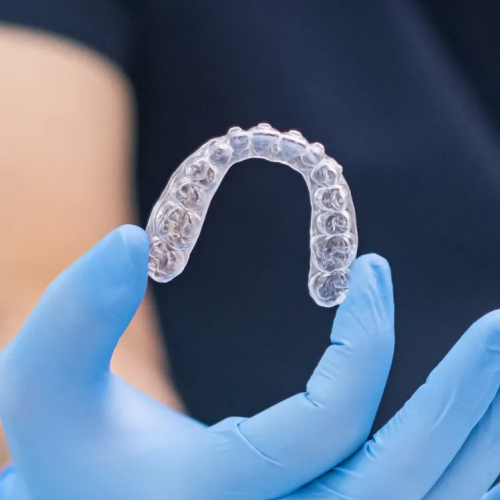
Byte Shut Down — And the Clinical Risks of DIY Aligners
Byte shut down, exposing the clinical risks of DIY aligners. Learn why in-person supervision matters for your smile. Visit Nu Dentistry Tanglewood today.
Read More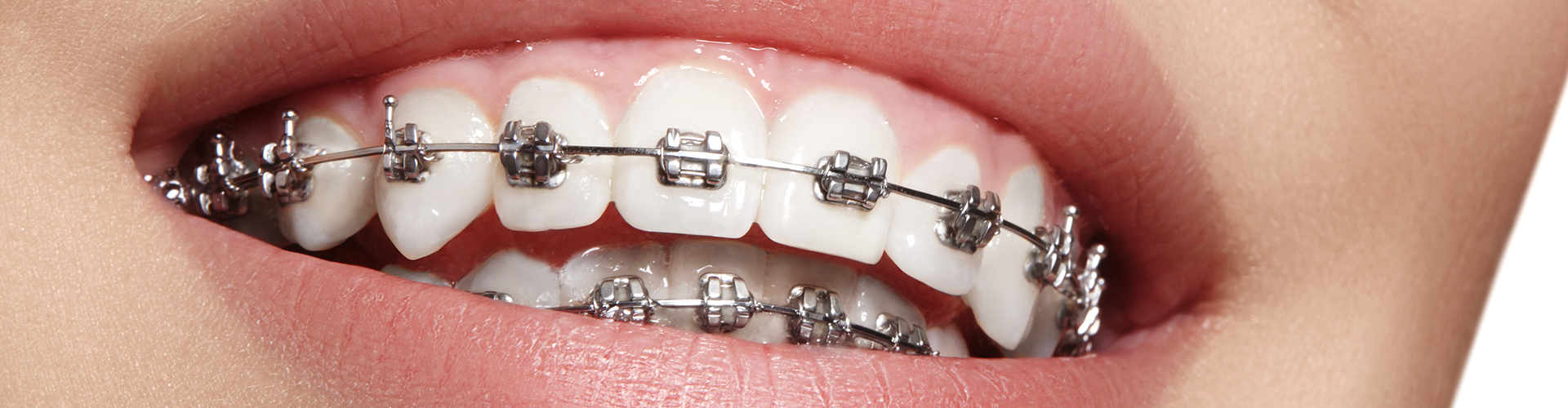
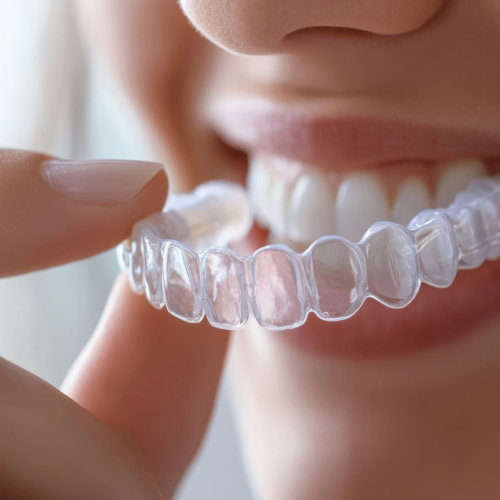
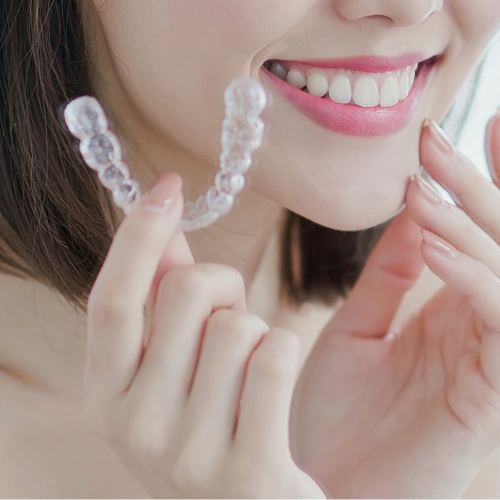
There’s no denying the popularity of Invisalign. With its sleek, nearly invisible trays and flexibility, it has become the go-to option for many people looking to straighten their teeth without the look and feel of traditional braces. But here’s the truth: Invisalign isn’t perfect for everyone.
Maybe your teeth aren’t moving as expected. Maybe your aligners don’t fit quite right. Maybe you’re tired of taking them out every time you eat. Whatever the reason, you’re not alone if you’re wondering whether it’s possible to make the switch from Invisalign to traditional braces.
At Nu Dentistry Tanglewood, we’ve helped many patients transition successfully, and if you’re weighing the same choice, this blog is here to help you understand what it means, what to expect, and why it may actually be the right move for your smile.
Invisalign has come a long way since it first hit the scene, and with newer attachments, smarter materials, and better planning tools, it can treat a wider range of cases than ever before. Still, it isn’t a one-size-fits-all solution.
Here are some common reasons patients decide to switch:
1. Complex tooth movements: Invisalign works great for mild to moderate orthodontic needs. But if you have severely rotated teeth, major bite issues, or need root movement, traditional braces might be more effective. Braces offer more force and precision for certain types of movements.
2. Compliance issues: Let’s face it: wearing aligners 22 hours a day, every day, isn’t easy. Life happens. Maybe you forget to put them back in after a meal. Maybe you’re self-conscious and remove them too often. Unfortunately, when Invisalign trays aren’t worn consistently, treatment slows down—or even stalls completely. Braces eliminate that issue because they’re always working.
3. Poor fit or discomfort: Sometimes aligners don’t fit well despite the best impressions or scans. You might feel like they’re loose, rubbing uncomfortably, or just not doing their job. On the other hand, braces offer a more secure system and can be adjusted more easily by your orthodontist.
4. Unexpected delays in progress: In some cases, the teeth just don’t respond to Invisalign the way your dentist anticipated. Treatment might take longer than expected, or results might plateau. Rather than ordering more refinements, switching to braces can move things along more effectively.
5. Preference or lifestyle changes: What once seemed like a perfect solution might no longer suit your lifestyle. Some patients switch simply because they’re tired of the hassle, especially when they realize how low-maintenance braces can be in comparison.
Remember, there’s no shame in changing your mind or adapting your treatment. Orthodontic care is personal, and your comfort and results both matter.
Switching from Invisalign to braces isn’t as dramatic as it might sound. In fact, it’s a fairly straightforward process, especially when it’s handled by an experienced dental team.
Here’s a quick look at what the transition might involve:
1. Evaluation and updated plan: Your dentist or orthodontist will take a fresh look at your current tooth position using X-rays, scans, and photos. They’ll assess how much progress you’ve made and what’s left to correct. This is the foundation for your updated treatment plan with braces.
2. Removal of attachments: If you’ve been wearing Invisalign, you likely have small tooth-colored attachments on your teeth to help guide movement. These will be gently removed to prepare for braces.
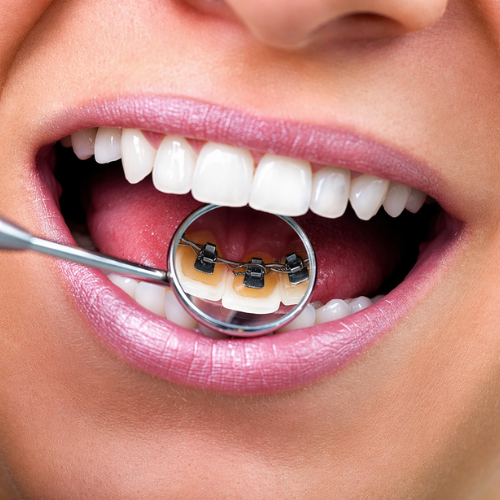
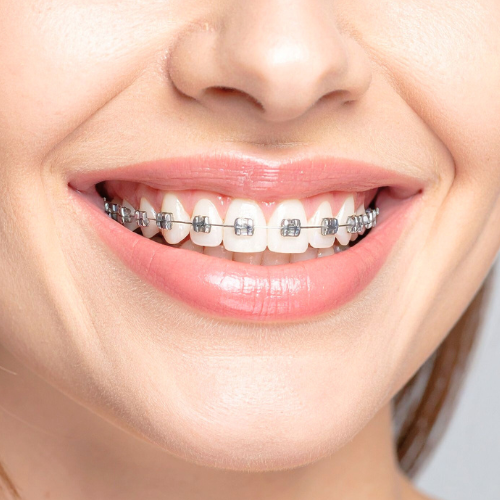
3. Brace placement: Traditional metal braces will be bonded to your teeth, and a wire will be threaded through. You may also get elastic ties or other accessories depending on your needs. It’s all done in a single visit, and while you may feel some pressure at first, most patients adjust quickly.
4. Getting used to your new routine: Braces come with a different set of care instructions: avoiding sticky foods, learning to brush around brackets, and dealing with the occasional wire poke. But you’ll also get the benefit of not having to remember to remove trays every time you eat or drink.
5. Regular checkups and adjustments: Just like with Invisalign, you’ll still need to visit your dental provider regularly. Braces need to be tightened or adjusted every few weeks to keep your teeth moving in the right direction.
Most patients find that once the switch is made, things move quickly again. The key is working closely with a provider who can make the process smooth and personalized to your case.
Naturally, this is one of the first things patients ask—and it’s a smart question. The answer depends on several factors, including your progress with Invisalign, your dental goals, and how your teeth respond to braces.
1. Treatment time might be shorter, longer, or stay the same: If Invisalign wasn’t producing the results expected, braces might actually help you finish faster. But if you had already made good progress and just need a little help with the final touches, switching shouldn’t add much time at all. On the other hand, if your teeth need to backtrack or correct errors from inconsistent aligner wear, you might need to spend a little extra time in braces to get the results you want.
2. Results can still be excellent: Switching to braces doesn’t mean you’re settling for less. In many cases, it’s a smart move to ensure your bite is properly aligned, your teeth are healthy and functional, and your smile looks the way it should. Braces offer greater control in certain situations, and your dental team will make sure the transition supports your overall treatment goals.
3. Your dedication still matters: Just like Invisalign requires consistent wear, braces require care and attention too. Regular brushing and flossing, avoiding foods that can damage the brackets, and showing up for your appointments are all part of the deal. The more committed you are, the smoother your experience will be—and the better your results.
Your dental provider will be your best source of information about how the switch will affect you specifically. Every smile is different, and that’s exactly why personalized care matters so much.
Switching from Invisalign to braces isn’t uncommon, and it doesn’t mean your treatment has failed. It simply means you’re choosing the right tool to finish the job, because every smile deserves a solution that works.
At Nu Dentistry Tanglewood, we’re here to make sure your orthodontic journey stays on track. If you’ve been wondering whether braces might be the better fit, let’s schedule a consultation and take a fresh look at your progress. Our team will walk you through your options, answer all your questions, and help you make a confident, informed decision about your next step.
Your smile is worth it. Schedule your appointment with Nu Dentistry Tanglewood today.
Fresh news from the dental world

SEE WHAT A VISIT TO OUR MODERN, STATE-OF-THE-ART DENTIST OFFICE IS LIKE!


Monday - Friday 9am - 6pm
Saturday 9am - 3pm
Sunday Closed
Check out what our patients are saying in Houston, TX


“Never Thought I'd Say It”
I never thought I’d say it, but going to the dentist is actually fun now. I recently came in for a root canal, and I got to sit back and catch up on Stranger Things without any pain!

“Anxiety Has Kept Me Away ”
I usually have such huge anxiety when I go to a dentist appointment, which means I always put off visits until the last minute to disastrous consequences. However, Dr. Loggins helped me with sedation, so the entire process was a breeze!

“The Best Dentist In Houston”
We have been looking for a family dentist for a long time. Not too long ago we met Dr. Ali. Not only was he professional, kind, and gentle, but he always finds a way to fit us in when we need an appointment. He’s also pretty funny! I appreciate that he takes the time to explain what he’s doing, before he does it. That really puts me at ease.

“Part Of The Family”
When I come in for an exam, Dr. Alrajab makes me feel like I’m a part of his family. I haven’t had a single cavity or filling done since I started coming here, which is a real change from my last hygienist.
“Never Thought I'd Say It”
I never thought I’d say it, but going to the dentist is actually fun now. I recently came in for a root canal, and I got to sit back and catch up on Stranger Things without any pain!
“Anxiety Has Kept Me Away ”
I usually have such huge anxiety when I go to a dentist appointment, which means I always put off visits until the last minute to disastrous consequences. However, Dr. Loggins helped me with sedation, so the entire process was a breeze!
We are proud members of these dental organizations and accreditations


Check us out and follow our Houston, TX practice on social media...


