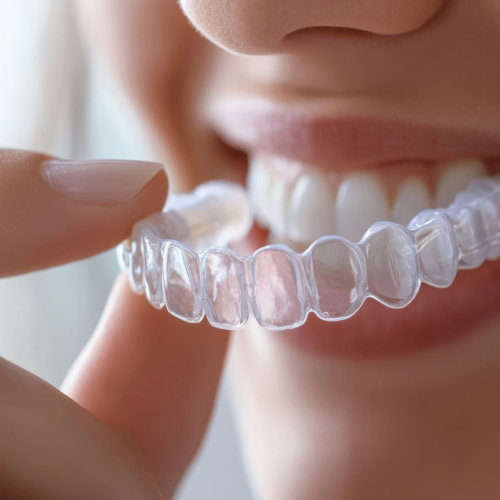
Why Your Invisalign Trays Aren't Fitting — and What to Do About It
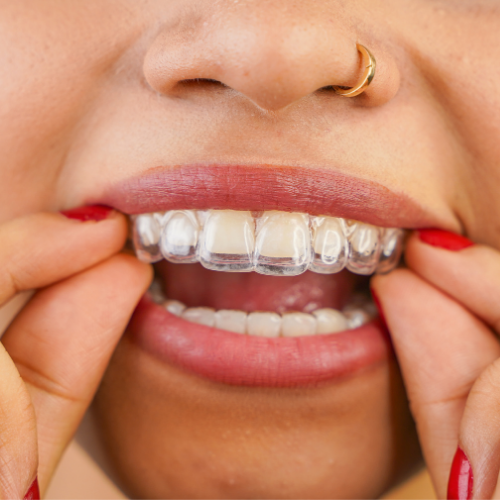
Invisalign trays not fitting right in Houston? Learn why gaps happen, what tracking means, and when refinements are needed. Call Nu Dentistry Tanglewood.
Read More
From those sneaky spots between your teeth to the big question of whether every cavity truly needs a filling, we're diving deep into the world of dental decay. Whether you're a seasoned patient or someone who’s just curious about oral health, we've got the lowdown on all things cavity-related. By the end, you'll be armed with knowledge and perhaps even a little more motivated to floss tonight. And remember, your best ally in oral health is a trusted dental professional—like the ones at our clinic.
On average, adults aged 20-64 have had about three decayed or missing permanent teeth, according to the National Institute of Dental and Craniofacial Research. While it's common to have cavities, especially during younger years, it's by no means a "rite of passage."
Factors Influencing Cavities: Various factors play a role in cavity development, such as genetics, dental hygiene practices, diet, and even the composition of saliva. Remember, while having a cavity or two might be common, it's certainly not "normal" or inevitable!
Oil Pulling: This ancient Ayurvedic method involves swishing coconut, sunflower, or sesame oil in your mouth for about 20 minutes, then spitting it out. Some say it reduces bacteria, fights tooth decay, and improves overall oral health.
Saltwater Rinse: Salt is an effective antiseptic that can kill bacteria, and a saltwater rinse can help in healing mouth sores and reducing pain caused by cavities.
Fluoride Treatments: Over-the-counter fluoride treatments can help in remineralizing teeth and reversing early decay.
Limitations: While these methods may offer temporary relief or slow the progression, they won’t heal cavities completely. Regular dental check-ups and professional treatments are essential for ensuring optimal oral health.
The world of cavities is a nuanced one, and not every cavity is created equal. When it comes to treatment, a question that often arises is whether all cavities require the intervention of fillings. Here, we delve deeper into this topic.
When Fillings are Essential: Deep cavities, especially those that have breached the protective enamel and ventured into the inner layers of the tooth, can be a source of significant discomfort. When these cavities approach or touch the tooth’s nerve, the pain can escalate and become almost unbearable. Fillings become essential in these scenarios. They not only offer relief from the pain but also serve as a barrier, preventing further decay. If left untreated, these deep cavities might necessitate more advanced treatments, such as root canals, crowns, or even tooth extractions.
Watchful Waiting: On the flip side, not all cavities scream for immediate attention. Some are more like silent observers, especially the smaller ones or those that are in their early stages. In these cases, a dentist might opt for a more conservative approach termed "watchful waiting." This doesn't mean neglecting the cavity. Instead, it's about observing and regularly monitoring its progression or regression over a specified period. Regular dental check-ups play a crucial role in this approach, ensuring that the cavity doesn't advance to a stage where intervention becomes imperative.
The Role of Remineralization: Nature has its way of healing, and teeth are no exception. There's a natural process called remineralization where minerals like fluoride, calcium, and phosphate are redeposited into the tooth enamel after being stripped away by acidic foods and drinks. Toothpastes and mouthwashes fortified with fluoride can enhance this process, potentially reversing early stages of decay and strengthening tooth enamel.
Prevention Over Cure: It's an age-old adage, but it holds: prevention is indeed better than cure, especially in the world of dentistry. By adopting a few proactive measures, the onset of cavities can be significantly reduced. Brushing with fluoride toothpaste, especially before bedtime, and regular flossing are foundational steps. Additionally, incorporating regular dental cleanings and check-ups can aid in early detection and treatment of potential problems. Also, it's prudent to be mindful of our diet. Reducing the intake of sugary foods and drinks, which are prime culprits for cavities, and consuming water frequently can play a pivotal role in maintaining optimal oral health.
Detection: Cavities between teeth, also known as interproximal cavities, can be tricky to detect. Dentists often use bitewing X-rays to spot them.
Procedure: Once detected, the dentist isolates the area with a rubber dam, removes the decay, and then fills the cavity. The material used can be amalgam, composite resin, or other filling materials based on the tooth's location and the patient's preference.
Prevention: Regular flossing is crucial to prevent cavities between teeth. It removes the food particles and bacteria that regular brushing might miss.
Our Expertise: With a team of seasoned professionals, our clinic boasts the latest technology and methods to treat cavities and other dental issues.
Patient-Centric Approach: We understand the apprehensions surrounding dental treatments. That's why our approach is holistic, ensuring comfort alongside top-notch care.
Schedule a Consultation: Every smile is unique, and so are its needs. Schedule a consultation with us today, and let's chart out the best dental care path tailored just for you!
While cavities might seem like a small hurdle in our health journey, they hold significant importance in the realm of oral well-being. They are common, yes, but this doesn't mean they should be taken lightly or ignored. Understanding the nuances of cavities—from their inception to treatment—can drastically change the course of one's dental health.
Being informed about when it's appropriate to get a filling, the types of fillings available, and the value of early detection is not just about avoiding pain or treatment costs. It's about maintaining the structural integrity of your teeth and ensuring your smile remains as radiant as ever.
Moreover, adopting preventive measures plays a paramount role. Simple daily habits can be the cornerstone of keeping cavities at bay. Brushing, flossing, and regular dental check-ups can transform oral health from good to excellent.
However, information can sometimes be overwhelming or, at times, even contradictory. That's where the expertise of dental professionals comes in. Having a trusted dentist or dental team to consult with, ask questions, and get treatment is indispensable.
So, if ever you find yourself in a predicament or simply need clarity on oral health matters, don't hesitate. Reach out to a dental professional, like our esteemed team, who are always here to guide and assist you.
We're not just about treating teeth; we're about fostering relationships and trust. Schedule your consultation today, and together, let's ensure that your smile remains not just beautiful but healthy, vibrant, and shining bright for years to come!
Fresh news from the dental world
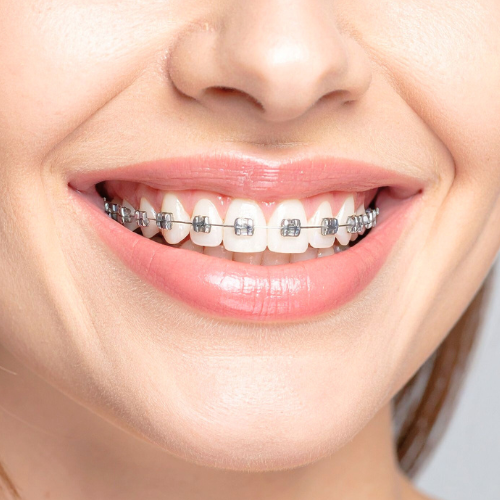

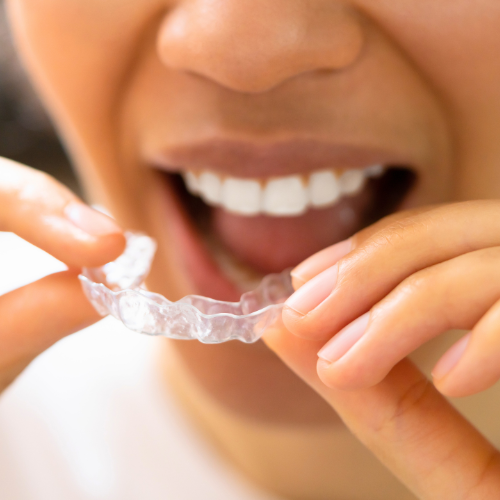

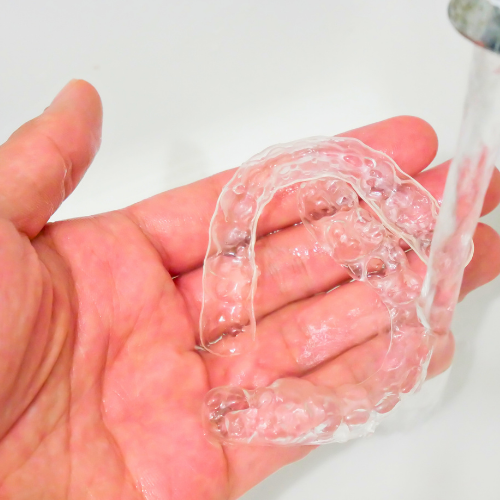


SEE WHAT A VISIT TO OUR MODERN, STATE-OF-THE-ART DENTIST OFFICE IS LIKE!


Monday - Friday 9am - 6pm
Saturday 9am - 3pm
Sunday Closed
Check out what our patients are saying in Houston, TX


“Never Thought I'd Say It”
I never thought I’d say it, but going to the dentist is actually fun now. I recently came in for a root canal, and I got to sit back and catch up on Stranger Things without any pain!

“Anxiety Has Kept Me Away ”
I usually have such huge anxiety when I go to a dentist appointment, which means I always put off visits until the last minute to disastrous consequences. However, Dr. Loggins helped me with sedation, so the entire process was a breeze!

“The Best Dentist In Houston”
We have been looking for a family dentist for a long time. Not too long ago we met Dr. Ali. Not only was he professional, kind, and gentle, but he always finds a way to fit us in when we need an appointment. He’s also pretty funny! I appreciate that he takes the time to explain what he’s doing, before he does it. That really puts me at ease.

“Part Of The Family”
When I come in for an exam, Dr. Alrajab makes me feel like I’m a part of his family. I haven’t had a single cavity or filling done since I started coming here, which is a real change from my last hygienist.
“Never Thought I'd Say It”
I never thought I’d say it, but going to the dentist is actually fun now. I recently came in for a root canal, and I got to sit back and catch up on Stranger Things without any pain!
“Anxiety Has Kept Me Away ”
I usually have such huge anxiety when I go to a dentist appointment, which means I always put off visits until the last minute to disastrous consequences. However, Dr. Loggins helped me with sedation, so the entire process was a breeze!
We are proud members of these dental organizations and accreditations


Check us out and follow our Houston, TX practice on social media...


