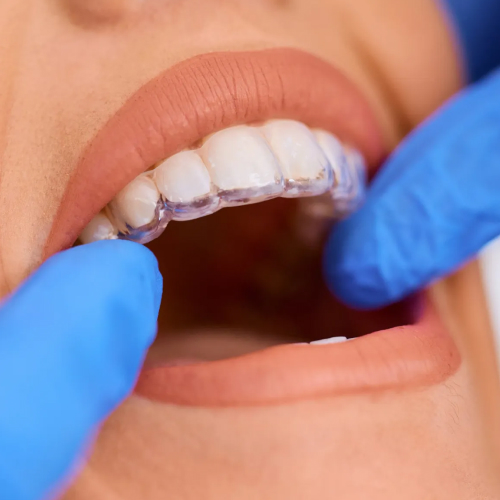
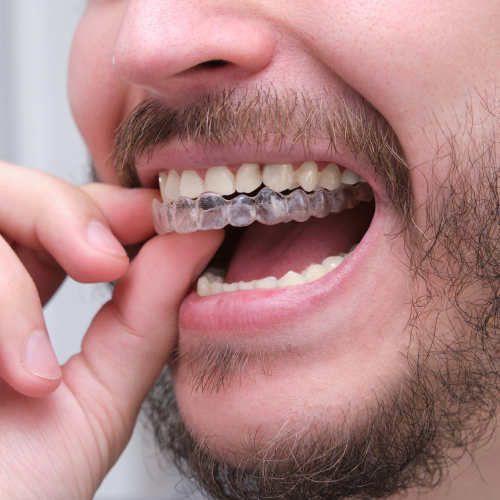
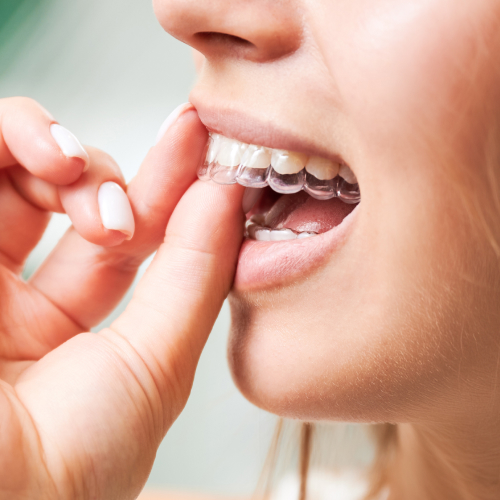
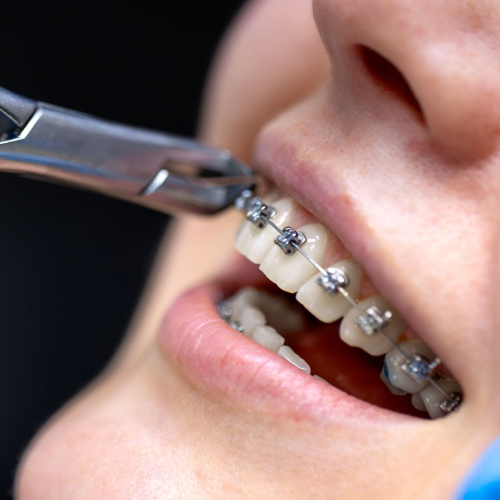
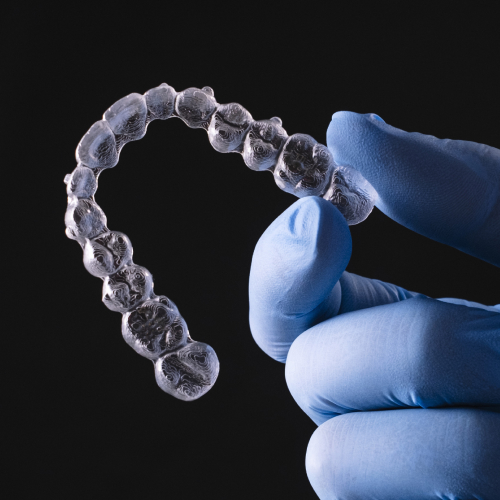
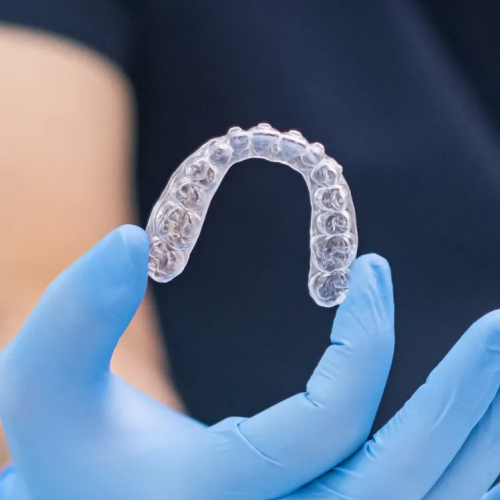
When most people think about straightening their teeth, they imagine a long, uncomfortable process filled with metal brackets and wires. Invisalign changed that perception. With its clear, removable trays and custom treatment plans, it has become the go-to option for adults and teens who want results without drawing attention to the process.
But two questions come up almost every time someone is considering Invisalign: Does it actually work? and How long will it take? These are fair questions. Straightening teeth is a commitment, and you deserve to know what kind of results you can expect and on what timeline.
The truth is that Invisalign can be remarkably effective, but its success depends on a few key factors, including your specific case, how consistently you wear the aligners, and the expertise of your dentist. Let’s break this down clearly, starting with the timeline.
How long does Invisalign take to straighten teeth?
Invisalign treatment typically takes 12 to 18 months, but the exact timeline depends on your case. Some patients see noticeable changes within a few weeks, while others need closer to two years to achieve their desired result. If you have mild crowding or spacing issues, your treatment may be as short as six months. On the other hand, more complex bite problems take longer because the teeth and jaw need more controlled movements over time.
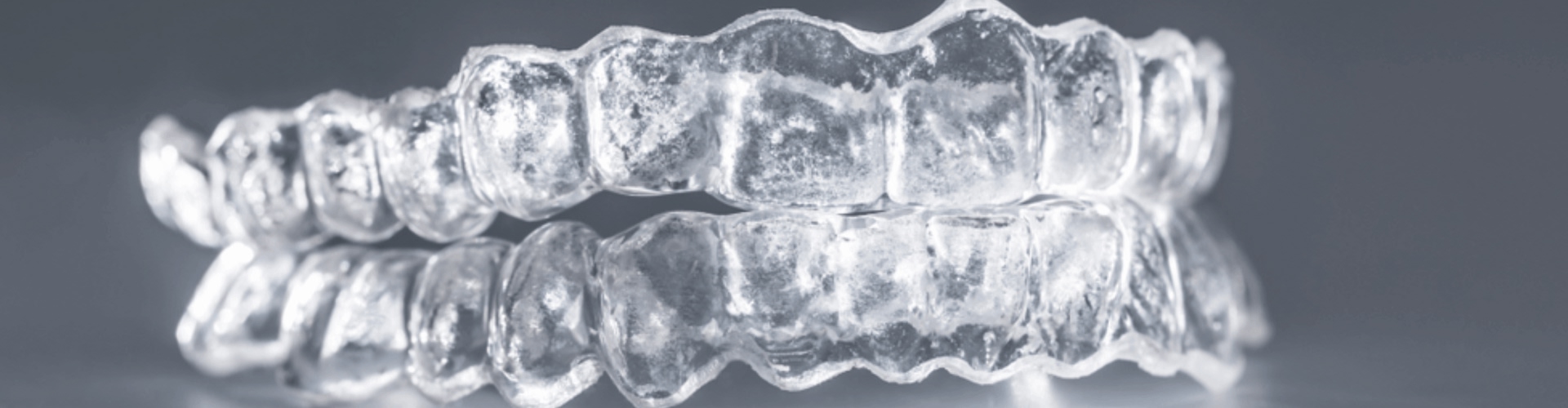
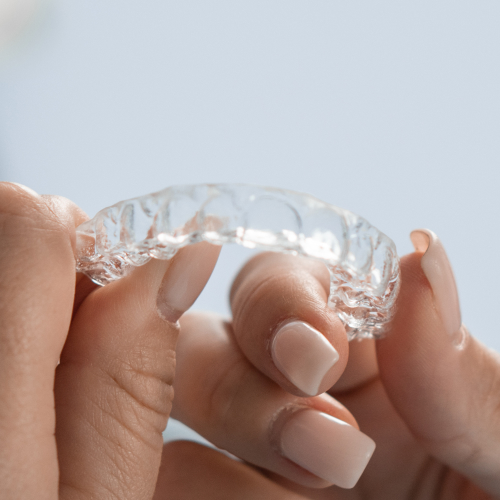
Invisalign works through a series of custom aligners that gradually shift your teeth into place. Each set of aligners is usually worn for about one to two weeks, depending on your treatment plan. You’ll need to wear them 20 to 22 hours per day to stay on track. The trays are designed to apply gentle, constant pressure, moving your teeth in small increments until they reach their final position.
Factors that affect treatment time
Several things influence how long your Invisalign treatment will take:
- Severity of your case: Minor spacing or crowding issues typically take less time than fixing overbites, underbites, or significant crowding.
- Age: Younger patients’ teeth move a little faster because their jawbones are still more adaptable, but adults can still achieve excellent results.
- Patient compliance: The most common reason for extended treatment is not wearing the aligners consistently. Even removing them for a few extra hours daily can set you back.
- Tooth biology: Some teeth simply respond to movement faster than others, depending on their shape and root position.
- Dentist’s planning: The quality of your digital scans, treatment design, and refinement process also play a role.
The timeline in action
Imagine two different patients. One has mild spacing between the front teeth. They wear their aligners diligently, never missing a day. Their treatment might be finished in as little as six to eight months, with only a few refinements needed at the end.
Another patient has a deep overbite and moderate crowding. Their treatment involves attachments on the teeth, precision cuts, and possibly elastics to guide the bite. Even with excellent compliance, their plan may take closer to 18 to 24 months, followed by a short refinement phase to perfect the final result.
Why consistency matters
Each aligner is programmed to achieve a specific amount of tooth movement. If you don’t wear them long enough, your teeth won’t fully shift into the position required for the next set. This leads to misfits, delays, and additional refinement trays. Think of it like following a workout plan: skipping sessions won’t get you to your fitness goals faster. Invisalign’s effectiveness is tied to the daily discipline of wearing the trays as instructed.
Is Invisalign faster than braces?
In some cases, yes, Invisalign can be faster than braces. But this depends entirely on the complexity of your treatment. For mild to moderate issues, Invisalign often matches or beats braces when it comes to total treatment time. For more complex bite corrections, traditional braces may sometimes work more efficiently because they give orthodontists more direct control over tooth movement.
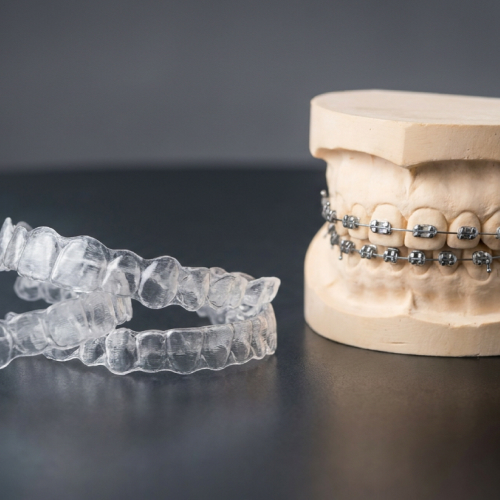
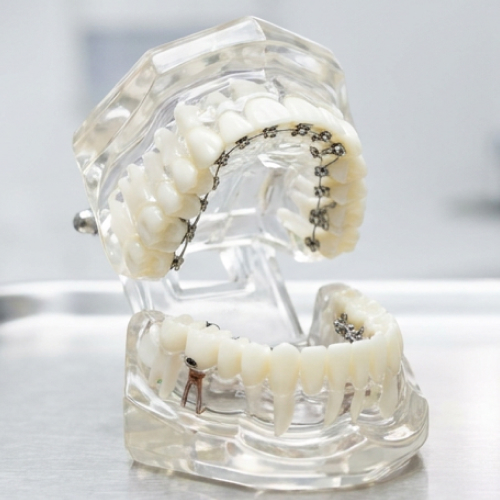
Braces use brackets and wires to apply continuous force, while Invisalign uses digital precision and custom-made trays. Invisalign can move multiple teeth simultaneously and often requires fewer in-office adjustments. Many patients also find that because Invisalign fits seamlessly into their lifestyle, they’re more likely to follow the treatment plan closely, which keeps the timeline on track.
When Invisalign may be faster
- Mild crowding or spacing: Clear aligners can close gaps or straighten mildly crowded teeth in as little as 6 to 12 months.
- Patients with excellent compliance: Since you can change aligners at home according to schedule, you avoid waiting weeks between orthodontic appointments for wire adjustments.
- Digitally planned movements: Invisalign’s software allows for highly precise tooth movement sequences that sometimes reduce overall treatment time.
When braces may have an edge
- Severe crowding or rotation: Some teeth need more force than aligners can apply, which makes braces more effective for these movements.
- Major jaw corrections: Invisalign has made significant strides, but braces still give orthodontists more options for certain skeletal corrections.
- Patients who struggle with compliance: Braces are fixed in place. If you know you might forget to wear aligners consistently, braces ensure treatment progresses regardless.
Lifestyle and comfort
Beyond speed, many patients choose Invisalign because of the comfort and flexibility it offers. There are no metal wires to tighten, fewer emergency visits for broken brackets, and you can remove the aligners to eat, brush, and floss. These factors don’t make Invisalign inherently faster, but they often make it easier to follow through, which can indirectly shorten the timeline.
Does Invisalign actually work for crowded teeth / overbite / crossbite?
Yes, Invisalign can successfully treat crowded teeth, overbites, and crossbites, though the approach and timeline differ based on the severity of the condition.
Crowded teeth:
Mild to moderate crowding is one of the most common reasons people get Invisalign, and the results are often excellent. Aligners gradually create space by slightly moving teeth outward, rotating them into better positions, and sometimes performing interproximal reduction (IPR)—a process where small amounts of enamel are smoothed between teeth to make space.
For severe crowding, additional steps like extractions or expansion may be required. Invisalign can still be part of the plan, but it might take longer or involve more attachments to guide difficult movements.
Overbite:
Invisalign has developed specific features to address overbites, including precision wings, which help guide the lower jaw forward. This is especially useful in teens and young adults, whose jaws are still growing. For adults, the treatment focuses on moving the upper and lower teeth into a more balanced relationship.
While moderate overbites respond well to Invisalign, severe skeletal overbites may require a combination of treatments or braces for part of the process. The key is an accurate assessment of whether your case is dental or skeletal in nature, which is why professional evaluation is essential.
Crossbite:
Crossbites can affect a single tooth or multiple teeth and may be dental (tooth position) or skeletal (jaw alignment). Invisalign can correct many dental crossbites by moving teeth outward or inward to align properly with the opposing arch. For more complex skeletal crossbites, additional appliances or a hybrid approach may be recommended.
In many cases, Invisalign is combined with elastics or small attachments that help guide these movements more effectively. With proper planning, Invisalign can produce predictable, stable corrections for crossbites.
Why Invisalign works when planned well
The effectiveness of Invisalign isn’t just about the trays themselves. It’s about the expertise behind the treatment plan. At Nu Dentistry Houston, we use detailed digital scans to map your teeth and bite in three dimensions. This allows us to design a treatment sequence that moves each tooth with precision. Throughout treatment, we monitor your progress and make refinements when needed to ensure you reach your goals.
While Invisalign can handle a wide range of cases, it’s not a one-size-fits-all solution. Some patients may benefit from a hybrid approach or additional orthodontic appliances to get the best results. The good news is that with modern technology, many cases that once required braces can now be treated effectively with Invisalign.
The bottom line:
Invisalign is a powerful, proven way to straighten teeth, fix bite issues, and improve your smile without metal brackets. For mild to moderate cases, treatment can be as quick as six months, and for more complex issues, timelines are similar to traditional braces. Effectiveness depends on careful planning and your commitment to wearing the aligners consistently.
Whether you’re dealing with crowding, an overbite, or a crossbite, Invisalign may be the discreet, flexible solution you’ve been looking for.
Ready to Start Your Smile Transformation?
Your smile journey is unique, and the best way to know exactly how effective Invisalign will be for you is to get a personalized consultation. Our experienced team at Nu Dentistry Houston will evaluate your teeth, discuss your goals, and give you a clear timeline tailored to your case.
Schedule your Invisalign consultation today and take the first step toward the smile you’ve always wanted.