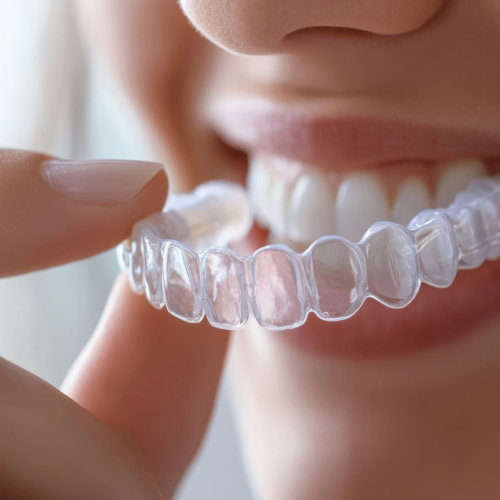
Why Your Invisalign Trays Aren't Fitting — and What to Do About It
Invisalign trays not fitting right in Houston? Learn why gaps happen, what tracking means, and when refinements are needed. Call Nu Dentistry Tanglewood.
Read More
When it comes to dental care, both the removal and timely replacement of a hopeless or damaged tooth are vital steps in maintaining oral health and overall well-being. Understanding why each step in this process is crucial can help you make informed decisions about your dental care.
When a tooth is deemed "hopeless," it typically means it is beyond repair due to severe decay, advanced periodontal disease, or traumatic injury. The decision to extract such a tooth is crucial for several health reasons:
Preventing Infection: A decayed or damaged tooth serves as a fertile ground for bacteria, which can result in infections that are not only painful but also potentially dangerous. These infections can quickly spread from the tooth to the surrounding tissues, adjacent teeth, and even other parts of the body through the bloodstream. Systemic infections originating from oral pathogens are linked to a variety of health issues, including cardiovascular disease, diabetes, and respiratory infections. Removing the affected tooth eliminates the source of infection, thereby reducing the risk of more serious health complications.
Alleviating Pain: The pain associated with a hopeless tooth can be intense and disruptive. This discomfort is usually due to inflammation and infection in the tooth's pulp or around the gum and bone. Extraction not only alleviates this pain but also significantly improves the individual's quality of life as they are freed from constant discomfort and the limitations it imposes on eating and speaking.
Stopping Bone Loss: One of the more severe consequences of periodontal disease linked to a hopeless tooth is bone loss around the tooth's root. This occurs as the disease erodes the supporting bone structure, weakening it over time. By removing the tooth, you help halt the progression of bone loss, preserving the strength and shape of the jawbone. This is vital not only for dental health but also for maintaining facial structure.
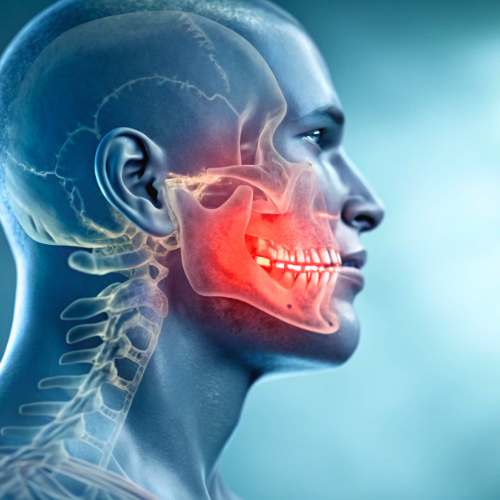
Maintaining Alignment and Oral Function: A hopeless tooth can negatively impact the alignment and function of your remaining teeth. Over time, adjacent teeth may shift towards the gap, affecting how the upper and lower teeth meet when you close your mouth. This misalignment can lead to difficulties in chewing, increased wear on other teeth, and even temporomandibular joint (TMJ) disorders. Extracting the problematic tooth can prevent such complications and maintain the overall functionality and balance of your dental structure.
Promoting Long-Term Oral Health: Extracting a hopeless tooth can be seen as a preventative measure to safeguard long-term oral health. It prevents the spread of decay and disease to neighboring teeth and gums, reduces the burden on the immune system, and helps maintain the health of the oral cavity as a whole.
In summary, the extraction of a hopeless tooth is a critical procedure that addresses immediate health concerns and plays a significant role in preventing future dental and systemic health issues. It is an essential step in ensuring that your mouth remains healthy, functional, and pain-free.
While extraction is crucial, replacing the tooth is equally important. Failure to do so can have several long-term effects:
Shifting Teeth: Adjacent teeth may begin to shift into the gap left by the missing tooth, leading to misalignment and affecting your bite.
Jawbone Deterioration: The jawbone requires stimulation from tooth roots to maintain its density. When a tooth is missing, the bone area begins to atrophy, which can change the shape of your face and weaken the jaw.
Chewing and Digestion Problems: Missing teeth can complicate the chewing process, affecting your ability to digest food properly.
Self-Esteem Issues: A gap in your smile can impact your confidence and how you interact socially.
Replacing a missing tooth promptly is crucial to avoid the complications previously discussed. Timely replacement helps maintain oral health, prevents further damage, and ensures functional and aesthetic integrity. Here’s a closer look at the replacement options available and why timely intervention is essential:
Dental Implants: Dental implants are often considered the gold standard for tooth replacement. They consist of a titanium post that is surgically inserted into the jawbone, acting as a new root. Once healed, a crown is attached to this post, providing a durable and natural-looking replacement. Implants are particularly beneficial because they stimulate the bone, preventing the bone loss that often occurs with missing teeth. Their integration with the bone also makes them very stable, allowing for normal eating and speaking.
Bridges: Dental bridges are used to fill the gap created by one or more missing teeth. A bridge is composed of two or more crowns for the teeth on either side of the gap and a false tooth/teeth in between. These crowns can be supported by natural teeth or implants. Bridges are a good option for those who may not be candidates for implants and are generally less time-consuming to place than implants.
Dentures: For patients missing several teeth or all of their teeth, dentures are a practical solution. They come in two forms: partial and complete. Partial dentures are suitable when some natural teeth remain, while complete dentures are used when all teeth are missing. Modern dentures are more comfortable and natural-looking than ever before, and they are typically less expensive than implants.
Immediate Dentures and Implants: Some patients may qualify for immediate dentures or implants that are placed immediately after tooth extraction. This option not only minimizes the number of visits but also allows patients to have a full set of teeth during the healing period.
Implant-Supported Bridges and Overdentures: For a more stable solution than traditional dentures, implant-supported bridges or overdentures can be used. These options involve the placement of implants that serve as an anchor for a bridge or denture, providing excellent stability and reducing bone loss.
The Importance of Timeliness
The timeliness of tooth replacement is critical. Delaying the process can lead to the shifting of teeth, loss of bone density, and changes in facial structure, all of which can complicate later attempts at restoration. Early intervention ensures that the replacement teeth function properly and blend seamlessly with the natural alignment and appearance of your smile.
Furthermore, replacing a tooth soon after its loss helps maintain the health of surrounding teeth, which might otherwise be at risk of decay or loss due to the altered oral environment. It also helps in preserving the integrity of the jawbone and prevents the onset of potential aesthetic and functional issues.
Delaying the replacement of a hopeless or missing tooth can lead to significant dental problems, and the longer you wait, the more complex and expensive the solutions may become. At our dental office, we are committed to providing you with the best care, including effective removal and replacement of damaged or decayed teeth.
If you are experiencing issues with your teeth or suspect you might need an extraction and replacement, we encourage you to schedule an appointment today. Our skilled team is ready to restore your smile and help maintain your oral health for years to come.
Fresh news from the dental world

SEE WHAT A VISIT TO OUR MODERN, STATE-OF-THE-ART DENTIST OFFICE IS LIKE!


Monday - Friday 9am - 6pm
Saturday 9am - 3pm
Sunday Closed
Check out what our patients are saying in Houston, TX


“Never Thought I'd Say It”
I never thought I’d say it, but going to the dentist is actually fun now. I recently came in for a root canal, and I got to sit back and catch up on Stranger Things without any pain!

“Anxiety Has Kept Me Away ”
I usually have such huge anxiety when I go to a dentist appointment, which means I always put off visits until the last minute to disastrous consequences. However, Dr. Loggins helped me with sedation, so the entire process was a breeze!

“The Best Dentist In Houston”
We have been looking for a family dentist for a long time. Not too long ago we met Dr. Ali. Not only was he professional, kind, and gentle, but he always finds a way to fit us in when we need an appointment. He’s also pretty funny! I appreciate that he takes the time to explain what he’s doing, before he does it. That really puts me at ease.

“Part Of The Family”
When I come in for an exam, Dr. Alrajab makes me feel like I’m a part of his family. I haven’t had a single cavity or filling done since I started coming here, which is a real change from my last hygienist.
“Never Thought I'd Say It”
I never thought I’d say it, but going to the dentist is actually fun now. I recently came in for a root canal, and I got to sit back and catch up on Stranger Things without any pain!
“Anxiety Has Kept Me Away ”
I usually have such huge anxiety when I go to a dentist appointment, which means I always put off visits until the last minute to disastrous consequences. However, Dr. Loggins helped me with sedation, so the entire process was a breeze!
We are proud members of these dental organizations and accreditations


Check us out and follow our Houston, TX practice on social media...


