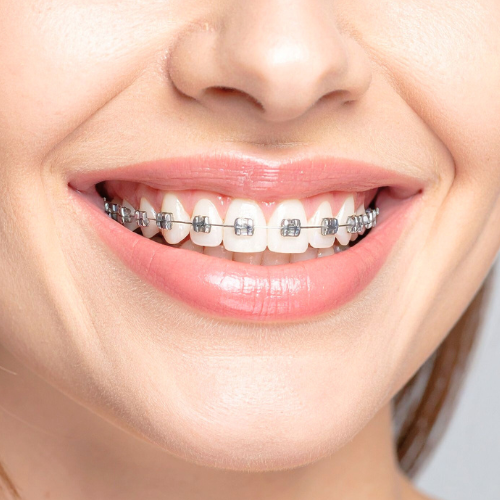
Braces Are a Commitment, Not a Punishment: What to Expect and How to Thrive
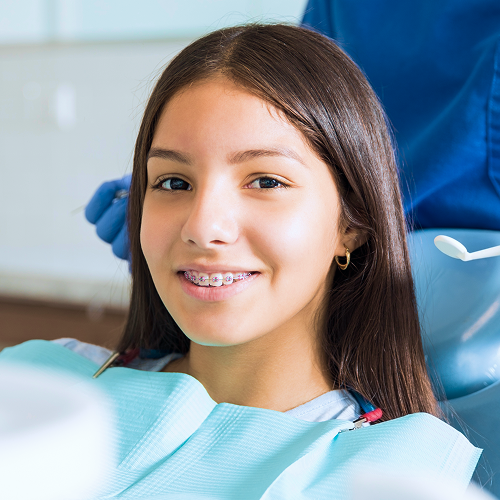
Learn how braces work, what to eat, and what discomfort feels like. Schedule a braces consult at Nu Dentistry Tanglewood.
Read More
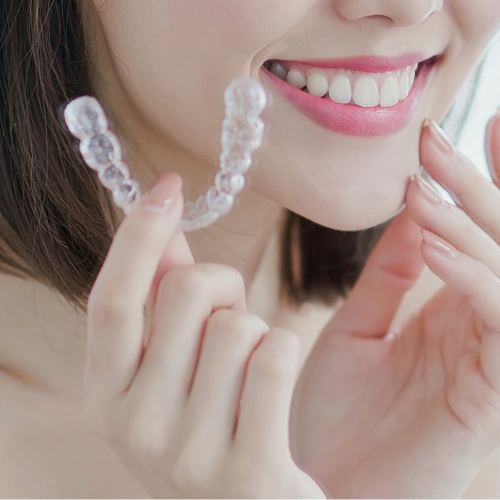
Teeth can drift slowly over the years, sometimes after braces, sometimes after a filling or crown, and sometimes for no obvious reason. Clear aligners can straighten teeth in a way that feels doable for real life. No brackets. No wires. Just a series of custom trays that nudge teeth into better alignment over time.
At Nu Dentistry Tanglewood, we like clear aligners because they are practical, predictable, and easy to personalize. But they are not “wear them when you remember” trays. The best results come from a clear plan, good monitoring, and habits you can actually keep.
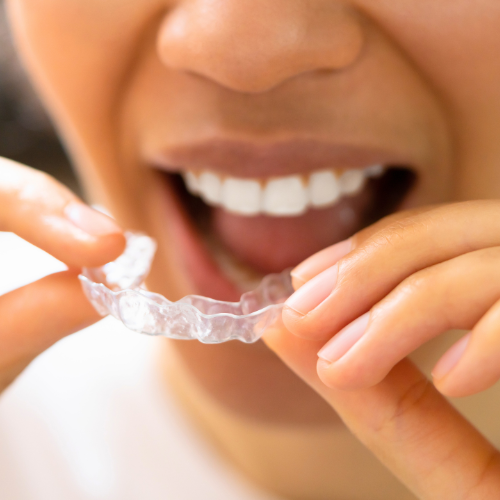
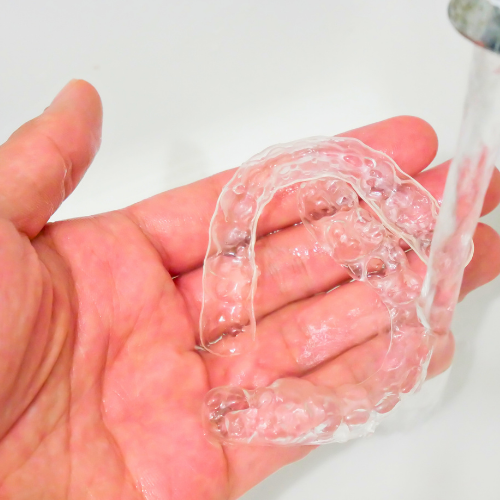
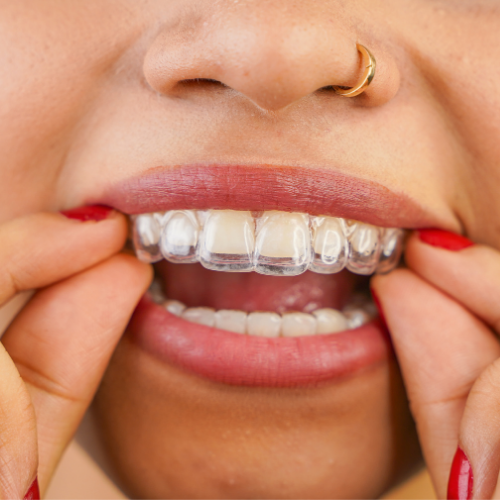
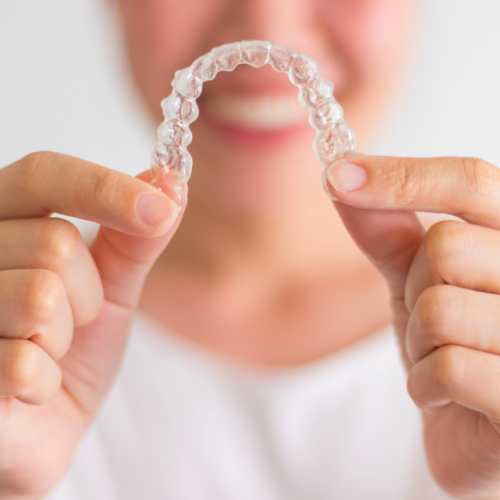
Clear aligners are thin, medical grade plastic trays made from a digital plan of your teeth. Each set is designed to move specific teeth by small increments. Over a series of trays, those small changes add up.
Clear aligners can help with:
They are often paired with tiny tooth colored attachments that help the trays grip and direct tooth movement. Attachments are common and usually subtle.
Clear aligner treatment goes smoothly when three things are true:
Most people can handle the trays. The routine is the real challenge. A few simple habits help a lot:
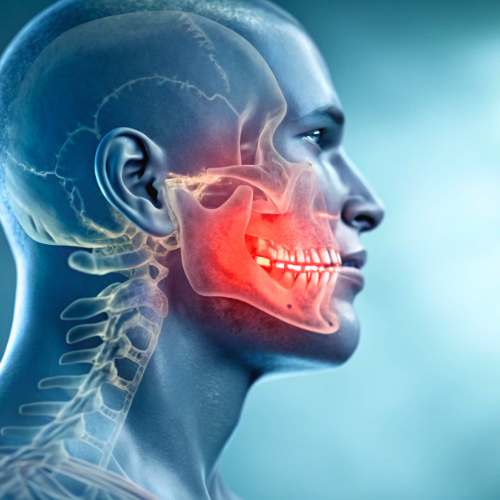
If you clench or grind, aligners can feel like a slim night guard. If you notice jaw fatigue or headaches early on, tell us so we can check your bite and keep things comfortable.
Sometimes, yes. Other times, the best fix is a simple bite adjustment.
After a filling or crown, your bite can feel “high” or uneven even when everything looks fine. A tiny change can make it feel like one side hits first, or like you cannot find a comfortable resting position.
Here is how we approach it at Nu Dentistry Tanglewood:
The key is diagnosis. Clear aligners are great for improving how teeth fit together, but they should not be used to “solve” a restoration that simply needs a minor adjustment.
A snug fit is normal. A tight day in the middle of a tray can be normal too, but the pattern matters.
Common reasons it happens:
Call us if you notice:
Chewies can help. Biting on them for a few minutes can help a tray seat better and improve tracking. Switching trays at night also helps many patients sleep through the first pressure wave.
Clear aligners do not “cause” gum recession by themselves. Recession is usually tied to thin gum tissue, aggressive brushing, inflammation, clenching, and how teeth sit in the bone. Tooth movement can, however, reveal issues that were already there.
If gums are already thin or receding, we plan conservatively and keep a close eye on tissue health. In many cases, clear aligners can help by making teeth easier to clean and reducing areas where plaque collects. The goal is alignment that supports gum health, not movement that pushes teeth outside their healthy boundaries.
Black triangles are small dark spaces near the gumline between teeth. They can look more noticeable after straightening because crowded teeth sometimes hide them, and gum tissue may not fully fill the space based on tooth shape and past inflammation.
Depending on your situation, we may be able to reduce their appearance with:
Bottom line: clear aligners can be safe for gums, but gum health is part of the plan, not an afterthought.
Not every clear aligner experience is the same. A solid plan usually includes:
If your provider does not talk about retention, ask. Teeth love to drift back.
If you are curious about clear aligners, schedule a visit with Nu Dentistry Tanglewood. We will evaluate your teeth, gums, and bite, talk through your goals, and tell you what is realistic for your timeline and budget.
Call or book an appointment with Nu Dentistry Tanglewood today to get started.
Fresh news from the dental world
SEE WHAT A VISIT TO OUR MODERN, STATE-OF-THE-ART DENTIST OFFICE IS LIKE!


Monday - Friday 9am - 6pm
Saturday 9am - 3pm
Sunday Closed
Check out what our patients are saying in Houston, TX


“Never Thought I'd Say It”
I never thought I’d say it, but going to the dentist is actually fun now. I recently came in for a root canal, and I got to sit back and catch up on Stranger Things without any pain!

“Anxiety Has Kept Me Away ”
I usually have such huge anxiety when I go to a dentist appointment, which means I always put off visits until the last minute to disastrous consequences. However, Dr. Loggins helped me with sedation, so the entire process was a breeze!

“The Best Dentist In Houston”
We have been looking for a family dentist for a long time. Not too long ago we met Dr. Ali. Not only was he professional, kind, and gentle, but he always finds a way to fit us in when we need an appointment. He’s also pretty funny! I appreciate that he takes the time to explain what he’s doing, before he does it. That really puts me at ease.

“Part Of The Family”
When I come in for an exam, Dr. Alrajab makes me feel like I’m a part of his family. I haven’t had a single cavity or filling done since I started coming here, which is a real change from my last hygienist.
“Never Thought I'd Say It”
I never thought I’d say it, but going to the dentist is actually fun now. I recently came in for a root canal, and I got to sit back and catch up on Stranger Things without any pain!
“Anxiety Has Kept Me Away ”
I usually have such huge anxiety when I go to a dentist appointment, which means I always put off visits until the last minute to disastrous consequences. However, Dr. Loggins helped me with sedation, so the entire process was a breeze!
We are proud members of these dental organizations and accreditations


Check us out and follow our Houston, TX practice on social media...


