
Dental Implants in Houston: What Actually Determines Long-Term Success
Considering dental implants in Houston? Learn what determines long-term success: bone foundation, materials, and surgical planning. Book a consultation at Nu Dentistry.
Read More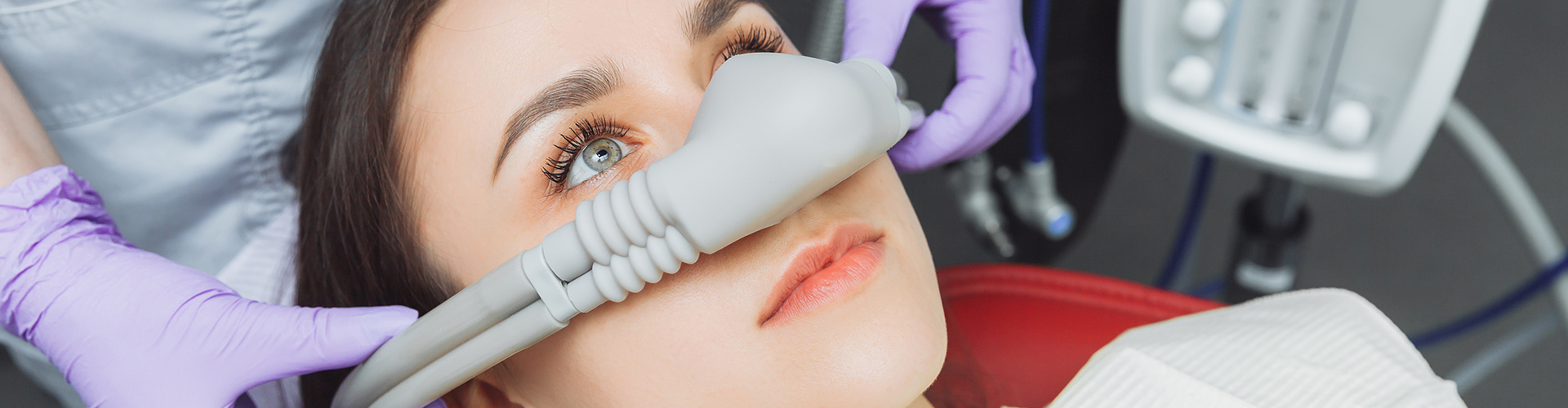
Do you have a fear of going to the dentist that causes you to avoid necessary dental work? You're not alone. Many people experience dental anxiety, but there is a solution: sedation dentistry. With sedation dentistry, you can relax and get the dental care you need without discomfort or fear.
Sedation dentistry uses medication to help patients relax during dental procedures. The medication induces a state of relaxation that allows the dentist to perform the procedure with ease, and the patient won't feel any pain or discomfort. It's commonly used for procedures such as cleanings, fillings, extractions, and root canals.
There are different types of sedation used in dentistry, and each one is effective in its own way. Here are the most common types:
Nitrous Oxide
Nitrous oxide, also known as laughing gas, is a mild form of sedation that is inhaled through a mask placed over the nose. It will help you relax while still allowing you to be fully conscious and responsive. Nitrous oxide wears off quickly, so you can go about your normal activities after your procedure.
Oral Sedation
Oral sedation involves taking a pill or liquid medication that your dentist prescribes before the procedure. The medication will make you feel relaxed and calm, which will make it easier for you to tolerate the dental work. The strength of the medication can range from mild to moderate.
IV Sedation
IV sedation involves the administration of medication through a vein in the arm. This type of sedation is usually reserved for more invasive procedures or for patients with severe dental anxiety. IV sedation provides a deep state of relaxation, making you unaware of the procedure.
The most significant advantage of sedation dentistry is that it helps patients overcome their dental anxiety and get the dental care they need. Sedation dentistry also allows dentists to perform multiple procedures in a single visit, saving patients time and effort. Moreover, it reduces discomfort during and after the procedure, so you will recover more quickly.
If you have a fear of the dentist or dental anxiety, sedation dentistry can be a life-changing option. It can make your dental visit much more pleasant and comfortable, which will make you more likely to seek dental care regularly.
When you're looking for a sedation dentist, make sure you choose someone who has experience and is qualified to administer sedation. Look for a dentist who has undergone specialized training in sedation dentistry and has a good reputation for providing safe and effective sedation. It's also essential to check that the dental office is equipped with the latest technology and equipment to ensure the best possible outcome.
Before the procedure, your dentist will give you specific instructions on how to prepare. These may include fasting for a certain amount of time, avoiding certain medications, and arranging for someone to drive you home after the procedure. It's important to follow these instructions carefully to ensure a safe and successful procedure.
It's also important to let your dentist know about your medical history, any allergies, or other conditions that may affect the sedation process. Be honest and open about your concerns and fears so that your dentist can make the necessary arrangements to make you feel comfortable.
During the procedure, you will be closely monitored by your dentist and dental team. You will be relaxed and calm, and you won't feel any pain or discomfort. You may still be conscious, depending on the type of sedation you received, and you will be able to communicate with your dentist if needed. Your dentist will explain what is happening during the procedure and let you know how long it will take. If you experience any discomfort or pain during the procedure, let your dentist know immediately so they can make adjustments.
After the procedure, you'll be monitored to ensure that the sedation has worn off and that you can leave the dental office safely. You may feel a little drowsy or groggy after the procedure, so it's essential to have someone drive you home. You may also be advised to avoid certain activities like driving, operating heavy machinery, or consuming alcohol for a certain period of time.
Your dentist will provide you with aftercare instructions, such as how to care for your teeth and what foods to avoid for the first few days. If you have any questions or concerns after the procedure, don't hesitate to contact your dentist.
If you have dental anxiety or fear of the dentist, sedation dentistry can make all the difference. Remember, dental anxiety is common, and it's nothing to be ashamed of. Many people feel anxious about going to the dentist, but sedation dentistry can help you overcome your fears and achieve optimal oral health.
If you're considering sedation dentistry, make sure you choose a qualified and experienced sedation dentist. Do your research, read reviews, and ask for referrals from friends and family. At our dental clinic, we have a team of skilled and compassionate professionals who will ensure that you receive safe and effective sedation dentistry. Don't wait any longer; schedule your appointment with us today!
Fresh news from the dental world


SEE WHAT A VISIT TO OUR MODERN, STATE-OF-THE-ART DENTIST OFFICE IS LIKE!


Monday - Friday 9am - 6pm
Saturday 9am - 3pm
Sunday Closed
Check out what our patients are saying in Houston, TX


“Never Thought I'd Say It”
I never thought I’d say it, but going to the dentist is actually fun now. I recently came in for a root canal, and I got to sit back and catch up on Stranger Things without any pain!

“Anxiety Has Kept Me Away ”
I usually have such huge anxiety when I go to a dentist appointment, which means I always put off visits until the last minute to disastrous consequences. However, Dr. Loggins helped me with sedation, so the entire process was a breeze!

“The Best Dentist In Houston”
We have been looking for a family dentist for a long time. Not too long ago we met Dr. Ali. Not only was he professional, kind, and gentle, but he always finds a way to fit us in when we need an appointment. He’s also pretty funny! I appreciate that he takes the time to explain what he’s doing, before he does it. That really puts me at ease.

“Part Of The Family”
When I come in for an exam, Dr. Alrajab makes me feel like I’m a part of his family. I haven’t had a single cavity or filling done since I started coming here, which is a real change from my last hygienist.
“Never Thought I'd Say It”
I never thought I’d say it, but going to the dentist is actually fun now. I recently came in for a root canal, and I got to sit back and catch up on Stranger Things without any pain!
“Anxiety Has Kept Me Away ”
I usually have such huge anxiety when I go to a dentist appointment, which means I always put off visits until the last minute to disastrous consequences. However, Dr. Loggins helped me with sedation, so the entire process was a breeze!
We are proud members of these dental organizations and accreditations


Check us out and follow our Houston, TX practice on social media...


