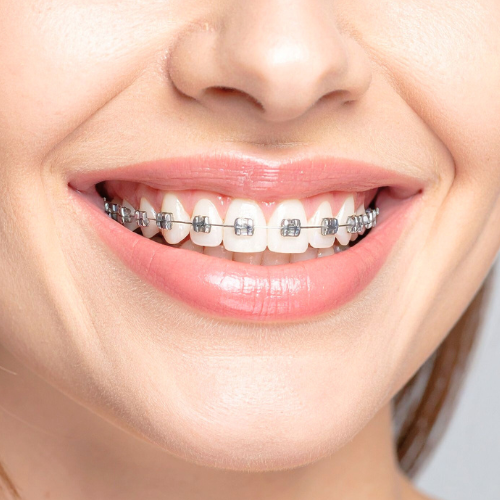
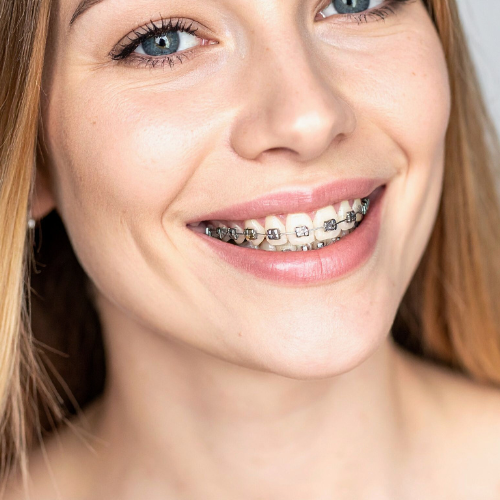
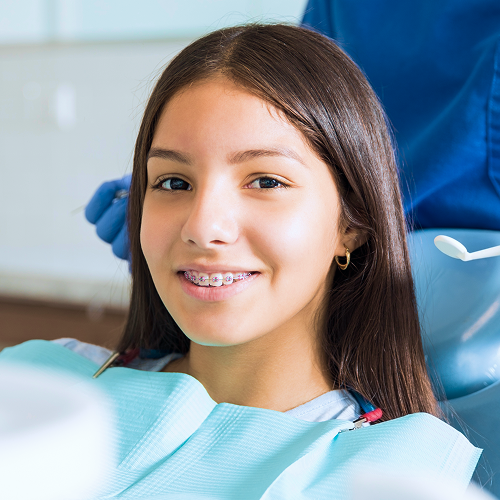
Braces Are a Commitment, Not a Punishment: What to Expect and How to Thrive
Learn how braces work, what to eat, and what discomfort feels like. Schedule a braces consult at Nu Dentistry Tanglewood.
Read More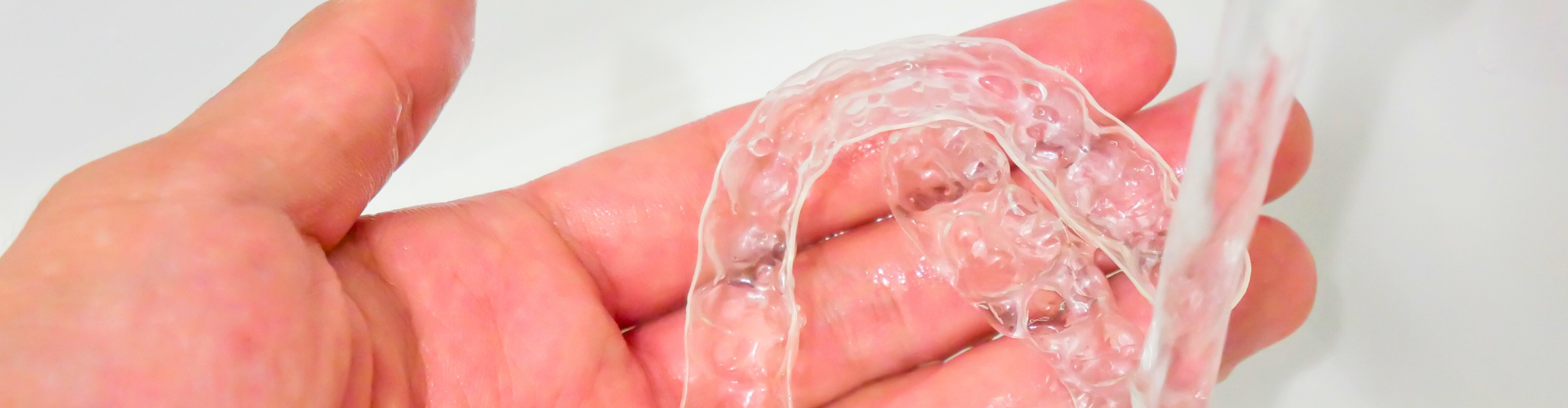
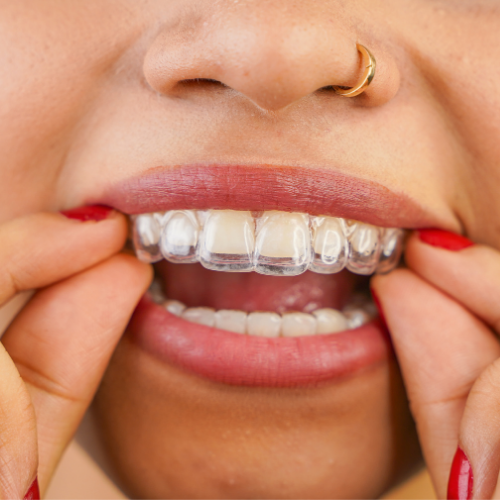
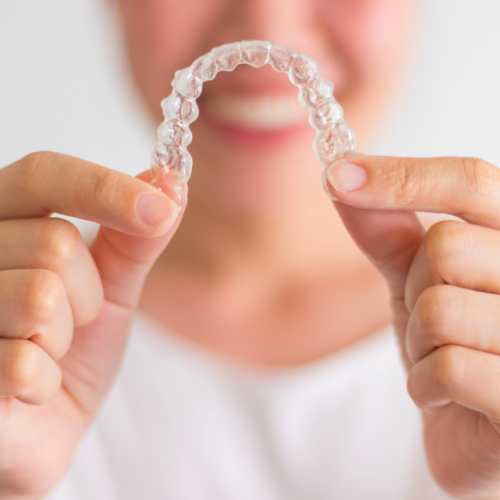
Clear aligners are designed to be discreet, comfortable, and easy to fit into your daily routine. They move your teeth quietly and steadily while you go about your life. But what many people do not realize is that aligners can only do their job well when they are clean.
Wearing aligners is not just about straightening your teeth. It is also about protecting your oral health. When aligners are not cleaned properly, they can trap bacteria, odors, plaque, and stains right against your teeth. Over time, this can lead to bad breath, tooth decay, gum irritation, and even infections.
At Nu Dentistry Tanglewood, we see many patients who are surprised to learn that aligner hygiene affects their results, comfort, and overall dental health. Cleaning your aligners correctly is not complicated, but it does require consistency and the right habits.
In this article, we will walk through what proper aligner care looks like, why it matters, and how to build simple routines that keep your smile healthy and fresh.
Aligners spend most of the day in your mouth. They sit directly on your teeth, trapping moisture, saliva, and whatever bacteria naturally lives in your oral environment. If they are not cleaned regularly, they quickly become a breeding ground for microbes.
Here is what can happen when aligners are neglected:
Cleaning your aligners is not just about appearance. It is about protecting your teeth, gums, and long-term oral health.
This is one of the most common questions patients ask and for good reason.
Aligners should be cleaned at least twice a day. Ideally, you should clean them every time you brush your teeth. That usually means once in the morning and once before bed.
If you remove your aligners during the day to eat or drink, a quick rinse before reinserting them helps prevent bacteria from building up.
Here is a simple daily rhythm that works for most people:
Morning routine
Midday habit
Night routine
Skipping cleanings allows bacteria to multiply quickly. Even a single missed day can make a noticeable difference in smell, taste, and clarity.
Aligners are made from durable materials, but they are not indestructible. Some cleaning habits can scratch, warp, or weaken them, which affects both comfort and effectiveness.
Safe methods to clean your aligners
Here are dentist-approved ways to clean aligners safely:
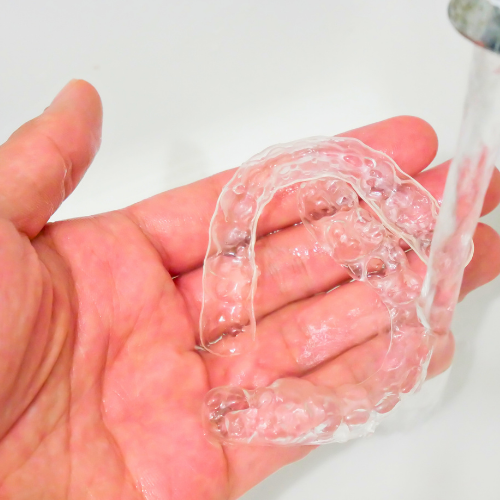
1. Gentle brushing: Use a soft toothbrush and clear, mild liquid soap. Brush the inside and outside gently. This removes plaque and residue without scratching.
2. Lukewarm water rinse: Always rinse aligners with lukewarm water. Hot water can warp them, and cold water may not remove buildup as effectively.
3. Aligner cleaning crystals or tablets: These are designed specifically for aligners and can help break down bacteria and odors when used as directed.
4. Clear antibacterial soap: If you do not have special cleaner, a clear and fragrance-free antibacterial soap works well.
What to avoid
Many people unknowingly damage their aligners by using the wrong products. Avoid these:
Your aligners should remain clear, smooth, and odor-free. Gentle cleaning protects their shape and function.
Neglecting aligner hygiene does more than cause bad breath. Over time, it can affect your oral health and your treatment results.
Short-term effects
If aligners are not cleaned regularly, you may notice:
Long-term effects
When bacteria are trapped against your teeth for hours each day, more serious issues can develop:
Aligners are supposed to improve your smile, not create new problems. Proper cleaning prevents avoidable complications.
Many people think aligner care is complicated. It is not. What matters is consistency.
Here is a routine most patients find easy to maintain.
Morning
During the day
Night
This routine takes only a few minutes but protects your teeth and aligners all day long.
Cleaning is only part of the equation. How you store your aligners matters just as much.
When aligners are placed on napkins, countertops, or inside pockets, they pick up bacteria instantly. Many aligners are lost or damaged because of poor storage habits.
Smart storage habits
Your aligner case should be cleaned at least once a day. It can harbor bacteria just like your aligners.
What you consume affects how clean your aligners stay.
Foods that stain aligners
If you drink or eat these with aligners in, stains can develop quickly.
Sugary drinks and bacteria
Sugary beverages feed bacteria. When trapped under aligners, this creates the perfect environment for decay.
Always remove aligners before eating or drinking anything besides water.
Many people struggle with keeping aligners clean while traveling or at work. Planning ahead makes a big difference.
What to keep in your bag
Even a quick rinse is better than nothing. If brushing is not possible, rinsing both your mouth and aligners helps reduce bacteria.
If you are unsure whether your cleaning routine is effective, watch for these signs:
If you notice these, it is time to reset your habits.
Aligner treatment is an investment in your smile. Like any investment, it needs care.
Proper cleaning helps:
Neglecting cleaning can lead to dental treatments that cost far more than a few extra minutes each day.
At Nu Dentistry Tanglewood, we believe patient education is just as important as treatment. We take time to show you how to care for your aligners properly, answer questions, and help you build routines that fit your lifestyle.
If you ever feel unsure about your aligner care, we encourage you to ask. Small adjustments can make a big difference in comfort, hygiene, and results.
If you experience any of the following, it may be time to schedule a visit:
Our team can assess your aligners, review your cleaning habits, and make sure everything is on track.
Aligners are meant to be easy, discreet, and comfortable. Keeping them clean is what allows them to stay that way.
A few simple habits can protect your oral health, your treatment results, and your confidence. If you are ever unsure whether you are doing things correctly, you do not have to figure it out alone.
Ready to take the next step? If you are considering aligners or already wearing them and want professional guidance, the team at Nu Dentistry Tanglewood is here to help.
Schedule your appointment today and let us help you keep your smile healthy, fresh, and on track.
Fresh news from the dental world

SEE WHAT A VISIT TO OUR MODERN, STATE-OF-THE-ART DENTIST OFFICE IS LIKE!


Monday - Friday 9am - 6pm
Saturday 9am - 3pm
Sunday Closed
Check out what our patients are saying in Houston, TX


“Never Thought I'd Say It”
I never thought I’d say it, but going to the dentist is actually fun now. I recently came in for a root canal, and I got to sit back and catch up on Stranger Things without any pain!

“Anxiety Has Kept Me Away ”
I usually have such huge anxiety when I go to a dentist appointment, which means I always put off visits until the last minute to disastrous consequences. However, Dr. Loggins helped me with sedation, so the entire process was a breeze!

“The Best Dentist In Houston”
We have been looking for a family dentist for a long time. Not too long ago we met Dr. Ali. Not only was he professional, kind, and gentle, but he always finds a way to fit us in when we need an appointment. He’s also pretty funny! I appreciate that he takes the time to explain what he’s doing, before he does it. That really puts me at ease.

“Part Of The Family”
When I come in for an exam, Dr. Alrajab makes me feel like I’m a part of his family. I haven’t had a single cavity or filling done since I started coming here, which is a real change from my last hygienist.
“Never Thought I'd Say It”
I never thought I’d say it, but going to the dentist is actually fun now. I recently came in for a root canal, and I got to sit back and catch up on Stranger Things without any pain!
“Anxiety Has Kept Me Away ”
I usually have such huge anxiety when I go to a dentist appointment, which means I always put off visits until the last minute to disastrous consequences. However, Dr. Loggins helped me with sedation, so the entire process was a breeze!
We are proud members of these dental organizations and accreditations


Check us out and follow our Houston, TX practice on social media...


