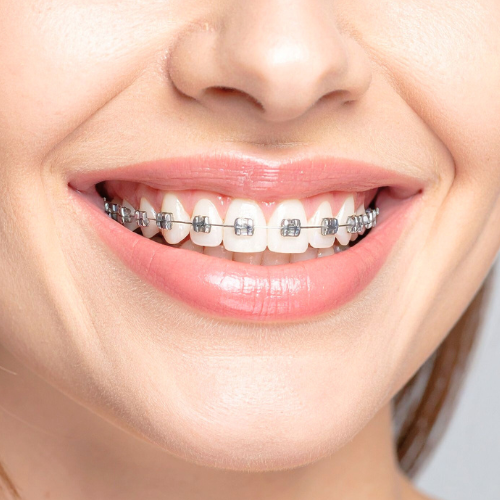
Braces Are a Commitment, Not a Punishment: What to Expect and How to Thrive
Learn how braces work, what to eat, and what discomfort feels like. Schedule a braces consult at Nu Dentistry Tanglewood.
Read More
When most people think about braces, they picture straighter teeth. That is absolutely part of the story. But it is far from the whole picture.
Braces are not only about creating a more attractive smile. They quietly influence how your teeth function, how your jaw moves, how evenly pressure is distributed when you chew, and how comfortable your mouth feels day to day. In many cases, braces improve issues people did not even realize were connected to tooth alignment.
At Nu Dentistry Tanglewood, we often meet patients who come in for cosmetic reasons and leave surprised by how much better their bite feels, how jaw tension improves, or how much easier oral hygiene becomes.
Let’s take a deeper look at what braces actually do, who they help, and why age is far less of a barrier than most people think.
Teeth rarely shift randomly. Crowding, spacing, and misalignment usually develop because the jaw and teeth are not fitting together optimally. Over time, this creates patterns that affect function as much as appearance.
Some common problems linked to misaligned teeth include:
Even small alignment issues can place extra stress on specific teeth or areas of the jaw. Over years, that stress adds up.
Braces work by gradually guiding teeth into healthier positions so forces are spread more evenly across the mouth.
Think of braces as a system reset for how your mouth functions.
Teeth are not fused directly to bone. They sit in a tiny ligament space that allows for controlled movement.
Braces apply gentle, continuous pressure that triggers a biological response:
This process is gradual and intentional. It is why treatment takes months rather than weeks. Moving too fast would damage roots and surrounding structures.
Modern orthodontic techniques are designed to:
Braces are no longer one size fits all. Depending on your needs, lifestyle, and goals, several options may be available.
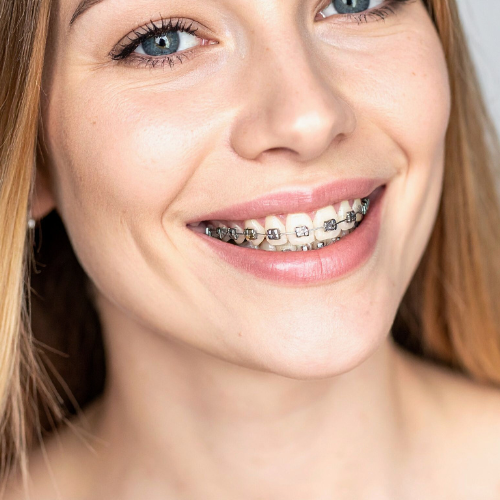
Traditional metal braces: Smaller, sleeker, and more comfortable than in the past. Very effective for complex cases.
Ceramic braces: Similar to metal braces but tooth colored for a less noticeable look.
Self-ligating braces: Use built in clips instead of elastic ties, which can reduce friction.
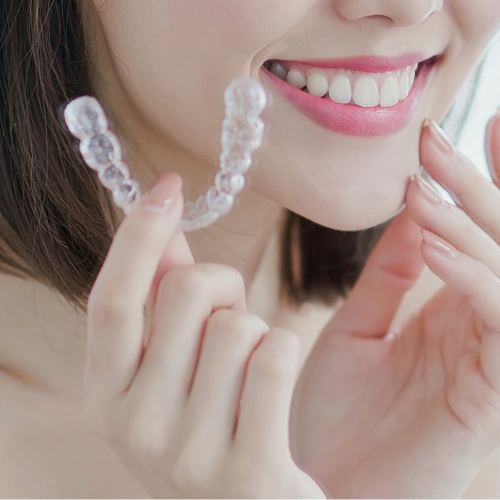
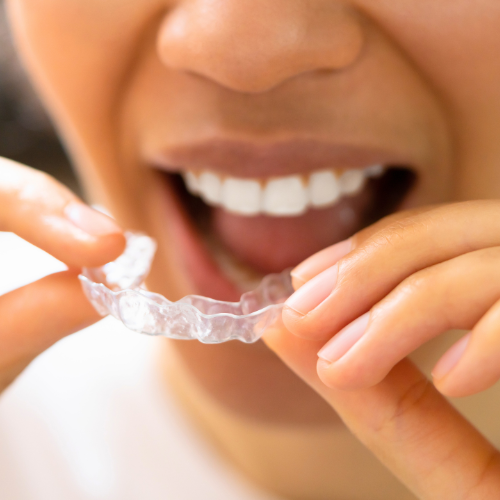
Clear aligners: Removable trays that gradually shift teeth. Best for certain types of alignment issues.
Your dentist or orthodontic provider will recommend the option that best matches your bite, tooth movement needs, and personal preferences.
This is one of the most common questions patients ask, and the short answer is yes, but usually in subtle, positive ways.
Braces primarily move teeth, not bones. However, tooth position strongly influences facial support and jaw posture.
Potential changes may include:
In growing children and teens, braces combined with certain appliances can influence jaw development more directly. In adults, changes are typically softer and related to how teeth sit within the existing bone structure.
Many patients describe their face looking more balanced or relaxed after treatment rather than drastically different.
The goal is harmony, not transformation.
This situation is more common than people realize.
Your teeth can appear straight while the upper and lower jaws do not fit together properly. This is called a malocclusion.
Examples include:
When the bite is off, problems may develop such as:
Braces can correct how teeth meet, not just how they line up in a mirror.
During your evaluation, we look closely at:
Correcting bite issues often improves comfort just as much as appearance.
Absolutely.
Adult orthodontics is more popular than ever, and discreet options are widely available.
Many adults choose:
Most coworkers, friends, and even family members often do not notice treatment unless told.
Adults pursue braces for many reasons:
There is no expiration date on improving your oral health.
Understanding the process can remove much of the anxiety.
Initial consultation
Treatment planning
Placement appointment
Adjustment visits
Completion
Most patients adjust quickly after the first week.
Treatment time varies based on complexity.
General ranges:
Consistency matters. Wearing aligners as directed, attending appointments, and following care instructions help keep treatment on track.
Braces do require some temporary adjustments.
Foods to limit or avoid
Better choices
Cutting foods into smaller pieces helps reduce pressure on brackets.
Most patients find their rhythm within the first few weeks.
Oral hygiene becomes even more important during orthodontic treatment.
Helpful habits include:
Plaque buildup around brackets can lead to:
Good hygiene protects your investment.
Some soreness is normal, especially:
This usually feels like pressure rather than sharp pain and fades within a few days.
Helpful comfort tips:
Severe or persistent pain should be reported to your dental team.
Teeth naturally want to shift back toward their original positions.
Retainers hold teeth in their new alignment while surrounding bone stabilizes.
Most patients are advised to:
Skipping retainers is the most common reason teeth shift after treatment.
Straight teeth are easier to clean.
This can lower the risk of:
Proper alignment also helps distribute biting forces more evenly, reducing stress on individual teeth.
In the long term, braces can help preserve natural teeth.
Sometimes braces are recommended to prepare for:
Aligning teeth first allows restorative work to last longer and fit better.
Orthodontics and restorative dentistry often work hand in hand.
You may want to consider an evaluation if you notice:
Even if you are unsure, a consultation provides clarity.
At Nu Dentistry Tanglewood, orthodontic care is approached with both function and aesthetics in mind.
Our team focuses on:
We believe every patient deserves a smile that looks great and feels right.
Braces are not just about straightening teeth. They are about improving how your mouth works, how your bite feels, and how confident you are when you smile.
Whether you are a teen considering treatment for the first time or an adult revisiting orthodontics, options today are more comfortable and discreet than ever.
If you have been thinking about braces or wondering whether they could help you, we invite you to schedule a consultation at Nu Dentistry Tanglewood. Our team would be happy to evaluate your smile, answer your questions, and walk you through your options.
Schedule an appointment today and take the first step toward a healthier, more balanced smile.
Fresh news from the dental world
SEE WHAT A VISIT TO OUR MODERN, STATE-OF-THE-ART DENTIST OFFICE IS LIKE!


Monday - Friday 9am - 6pm
Saturday 9am - 3pm
Sunday Closed
Check out what our patients are saying in Houston, TX


“Never Thought I'd Say It”
I never thought I’d say it, but going to the dentist is actually fun now. I recently came in for a root canal, and I got to sit back and catch up on Stranger Things without any pain!

“Anxiety Has Kept Me Away ”
I usually have such huge anxiety when I go to a dentist appointment, which means I always put off visits until the last minute to disastrous consequences. However, Dr. Loggins helped me with sedation, so the entire process was a breeze!

“The Best Dentist In Houston”
We have been looking for a family dentist for a long time. Not too long ago we met Dr. Ali. Not only was he professional, kind, and gentle, but he always finds a way to fit us in when we need an appointment. He’s also pretty funny! I appreciate that he takes the time to explain what he’s doing, before he does it. That really puts me at ease.

“Part Of The Family”
When I come in for an exam, Dr. Alrajab makes me feel like I’m a part of his family. I haven’t had a single cavity or filling done since I started coming here, which is a real change from my last hygienist.
“Never Thought I'd Say It”
I never thought I’d say it, but going to the dentist is actually fun now. I recently came in for a root canal, and I got to sit back and catch up on Stranger Things without any pain!
“Anxiety Has Kept Me Away ”
I usually have such huge anxiety when I go to a dentist appointment, which means I always put off visits until the last minute to disastrous consequences. However, Dr. Loggins helped me with sedation, so the entire process was a breeze!
We are proud members of these dental organizations and accreditations


Check us out and follow our Houston, TX practice on social media...


