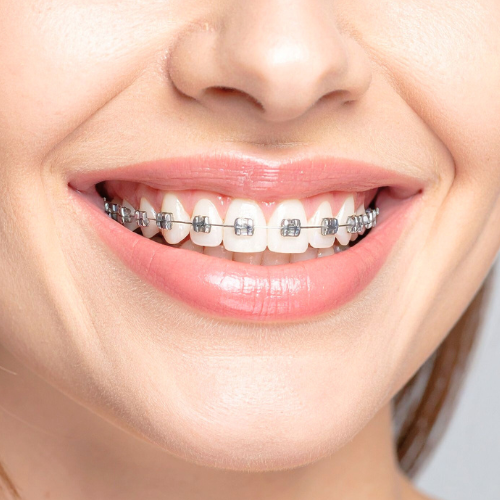
Braces Are a Commitment, Not a Punishment: What to Expect and How to Thrive
Learn how braces work, what to eat, and what discomfort feels like. Schedule a braces consult at Nu Dentistry Tanglewood.
Read More
Most people think about braces in terms of straight teeth, but the real magic often happens in the spaces you cannot see. Your jaw, your bite, and the small muscles that help you chew and speak go through meaningful changes during orthodontic treatment. These changes do not happen overnight, and you may not notice them at first, but they play a major role in how comfortable your mouth feels each day.
Functional jaw changes can explain why chewing becomes easier, why tension headaches ease up, or why your bite suddenly feels more balanced even before your smile looks different. At Nu Dentistry Tanglewood, we see this all the time. Patients come in expecting a cosmetic transformation and end up thrilled by how much better their jaw feels.
Let us break down how it works in a natural, straightforward way.
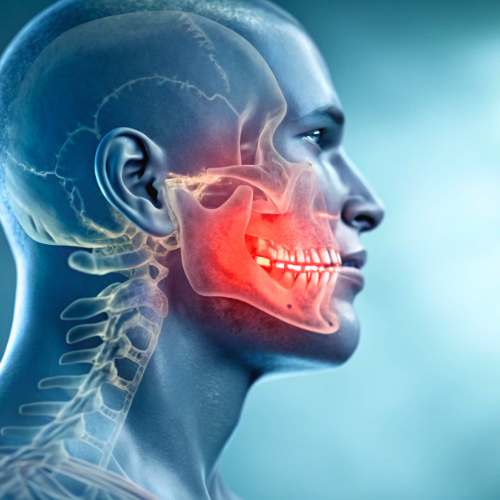
Your jaw has a team of muscles that work together each time you chew, swallow, or even rest your teeth lightly together. When your bite is misaligned, those muscles have to work harder to compensate. They may pull a little too much on one side or relax too much on the other. Over time, this can create tension, soreness, and a bite that feels off balance.
When braces start to move your teeth into healthier positions, the muscles begin to adapt. They slowly learn a new pattern, which can feel a bit strange at first. For example:
It is similar to improving posture. When your body is used to slouching, sitting upright feels unusual at first. But over time, the new position becomes the new normal. Braces do the same thing for your jaw. They give your muscles a healthier foundation so they can work the way they were meant to.
Some patients even notice they swallow more comfortably once their bite improves. This is because swallowing relies on a coordinated rhythm between your tongue, teeth, and jaw muscles. When the bite is balanced, the whole system works more smoothly.
It is surprising how much influence a millimeter of movement can have. Even a tiny shift in tooth position can change the way your upper and lower teeth meet. When that contact improves, your jaw joint experiences less stress. This is where comfort starts to change.
Small adjustments can create big improvements because:
If you have ever bitten down on something slightly off, like a seed or a kernel hidden in food, you know how much one small point of contact can throw off your whole bite. Braces remove those tiny disruptions by aligning the entire system, not just straightening the front teeth.
Patients often describe a moment during treatment where things just feel easier. They stop thinking about how their teeth come together. They are no longer adjusting their jaw to find a comfortable position. Their bite simply works.
This shift is one of the most rewarding parts of braces because it affects daily life in a real, noticeable way. Eating becomes more enjoyable. Speaking feels more natural. Even simple things like resting your teeth lightly together feel better.
The earliest improvements in braces are often functional, not cosmetic. Many patients are surprised that their bite feels different even though their teeth still look crooked. This is completely normal. Orthodontists begin by creating space, correcting crowding patterns, and adjusting your bite so future tooth movement is easier and more stable.
Here are some early signs that your bite is improving:
1. Your jaw stops shifting when you close your mouth: If you used to move your jaw slightly forward or to the side to find a comfortable bite, you may notice this habit fading. You might simply close your mouth and feel your teeth land in a more natural position.
2. Chewing starts to feel smoother: Food breaks down more evenly, and you may not chew as loudly or forcefully on one side. Some people say chewing feels quieter because the bite is more balanced.
3. Less tension in your jaw, neck, or temples: Misalignment can overstimulate certain muscles. As your bite improves, you may feel less tightness in these areas, especially in the morning.
4. Fewer accidental cheek or tongue bites: If your bite used to shift during chewing, you might have bitten your cheek or tongue without meaning to. When alignment improves, this becomes less common.
5. More stability when your teeth meet: Your bite may feel more grounded and centered. Instead of searching for a comfortable spot, your teeth settle more easily.
These early wins are encouraging because they show that braces are doing more than straightening your smile. They are improving the way your mouth works every day.
Cosmetic results tend to get the spotlight, but functional jaw changes are what make orthodontic treatment such a life improving process. A healthier bite can lead to better comfort throughout the day, fewer headaches, easier chewing, and better long term oral health.
Here are a few ways these changes benefit your overall comfort:
Better balance for your jaw joint: A more even bite reduces stress on the joint, which lowers the risk of popping, clicking, or soreness.
More efficient tooth function: Aligned teeth cut and grind food better, which makes eating less tiring.
A stronger foundation for long term stability: When your bite works well, your teeth are less likely to shift out of place later in life.
Reduced wear on the enamel: Misalignment can cause certain teeth to grind or rub more than others. Functional changes help distribute pressure evenly.
You may still have crooked teeth while all of this is happening, but your jaw is already transitioning into a healthier position. It is the kind of progress you can feel before you can fully see it.
Once the bite is rebalanced and your muscles have adjusted, the visible changes begin to speed up. Your teeth start moving into their new positions with better support from the jaw. This makes the final cosmetic result more stable and durable.
Think of it as building a house. You do not start with the paint. You begin with the foundation. Braces work the same way. A well aligned bite allows the rest of your smile to come together beautifully.
Functional jaw changes also help protect the investment you are making in orthodontic care. When your bite is aligned, your teeth are less likely to relapse or shift after treatment. Retainers still matter, of course, but a healthy bite makes long term success much easier to maintain.
If you are considering braces or you are already in treatment and want to understand your progress, our team at Nu Dentistry Tanglewood is here to help. Functional jaw changes can transform the way your entire mouth feels, long before the final cosmetic results appear. It is one of the most rewarding parts of the orthodontic journey.
Fresh news from the dental world
SEE WHAT A VISIT TO OUR MODERN, STATE-OF-THE-ART DENTIST OFFICE IS LIKE!


Monday - Friday 9am - 6pm
Saturday 9am - 3pm
Sunday Closed
Check out what our patients are saying in Houston, TX


“Never Thought I'd Say It”
I never thought I’d say it, but going to the dentist is actually fun now. I recently came in for a root canal, and I got to sit back and catch up on Stranger Things without any pain!

“Anxiety Has Kept Me Away ”
I usually have such huge anxiety when I go to a dentist appointment, which means I always put off visits until the last minute to disastrous consequences. However, Dr. Loggins helped me with sedation, so the entire process was a breeze!

“The Best Dentist In Houston”
We have been looking for a family dentist for a long time. Not too long ago we met Dr. Ali. Not only was he professional, kind, and gentle, but he always finds a way to fit us in when we need an appointment. He’s also pretty funny! I appreciate that he takes the time to explain what he’s doing, before he does it. That really puts me at ease.

“Part Of The Family”
When I come in for an exam, Dr. Alrajab makes me feel like I’m a part of his family. I haven’t had a single cavity or filling done since I started coming here, which is a real change from my last hygienist.
“Never Thought I'd Say It”
I never thought I’d say it, but going to the dentist is actually fun now. I recently came in for a root canal, and I got to sit back and catch up on Stranger Things without any pain!
“Anxiety Has Kept Me Away ”
I usually have such huge anxiety when I go to a dentist appointment, which means I always put off visits until the last minute to disastrous consequences. However, Dr. Loggins helped me with sedation, so the entire process was a breeze!
We are proud members of these dental organizations and accreditations


Check us out and follow our Houston, TX practice on social media...


