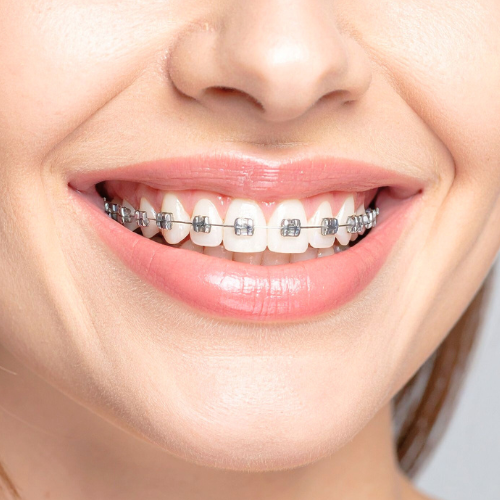
Braces Are a Commitment, Not a Punishment: What to Expect and How to Thrive
Learn how braces work, what to eat, and what discomfort feels like. Schedule a braces consult at Nu Dentistry Tanglewood.
Read More
Getting braces is one of those big moments in your dental journey; it’s exciting because it marks the start of your smile transformation, but it’s also a period filled with new sensations, adjustments, and a few surprises. Whether you’re a teen navigating your first week of metal brackets or an adult taking the plunge into orthodontic treatment, those early days can feel strange. But that’s perfectly normal. Understanding what’s happening and why makes it easier to stay patient and confident as your smile begins to shift.
At Nu Dentistry Spring, we help patients through this early adjustment period every day. Here’s what you can expect during the first few weeks with braces and how to handle some of the common (and often temporary) complications that may arise.
The first week after getting braces is all about adaptation. Your mouth, tongue, and cheeks are suddenly sharing space with a new set of hardware, and that takes time to get used to. It’s common to feel mild soreness, irritation, or tightness as your teeth begin to move. This pressure is actually a good sign; it means your braces are working.
Most patients experience tenderness for a few days after their braces are placed or adjusted. Eating soft foods like mashed potatoes, yogurt, soups, and smoothies can make those days easier. It’s also normal to develop small mouth ulcers or friction spots on your inner cheeks or lips, which orthodontic wax can help protect.
Beyond the physical sensations, there’s also the mental shift of learning how to eat, clean, and even speak with braces. It’s a learning curve, but one that flattens quickly once you establish new habits and routines.
Right after braces are applied, some people notice slight speech changes such as mild lisping, slurred words, or difficulty pronouncing certain sounds. These changes are temporary and typically fade within a week or two.
Your mouth and tongue are adapting to the new positioning of the brackets and wires. The tongue plays a big role in shaping sounds, and braces can alter the way it moves, especially with consonants like “s,” “t,” and “z.” For most patients, speech returns to normal once the tongue and facial muscles learn to navigate around the new surfaces.
To speed up the adjustment, try reading aloud at home or practicing tongue placement exercises. Some patients find it helpful to exaggerate pronunciation slightly while speaking slowly, it trains the muscles faster. If speech issues persist beyond a few weeks, your orthodontist can check for wire positioning or bracket interference that might be affecting your articulation.
During the first few weeks, chewing becomes more of a mindful task than a mindless one. Your bite changes slightly as your teeth begin to shift, and soreness from initial movement can make chewing feel awkward or uncomfortable. Because of this, many patients start eating softer foods or cutting meals into smaller bites, which is smart and temporary.
When you chew less efficiently, food might not be broken down as thoroughly before swallowing, and that can occasionally cause mild digestive discomfort—especially if you rush your meals. The key is to eat slowly and choose easy-to-chew foods like rice, steamed vegetables, pasta, scrambled eggs, and ripe fruits.
Avoid sticky, crunchy, or hard foods such as nuts, popcorn, and caramel. Not only can these be painful to chew in the beginning, but they also increase the risk of damaging brackets or bending wires.
Over time, as soreness fades and your bite settles, chewing will feel more natural again. Your digestive system adjusts too, as you resume your regular eating patterns. The early awkwardness is simply part of the adjustment phase, not a lasting complication.
White spots or faint discoloration during braces treatment often appear when plaque builds up around the brackets, leading to enamel demineralization. This happens when bacteria in the mouth feed on food particles and release acids that wear down the enamel surface.
These spots are not caused by the braces themselves, but by plaque accumulation where brushing is less effective—especially near the gum line or under bracket edges. In most cases, the changes are preventable with excellent oral hygiene. Using a soft-bristled toothbrush, fluoride toothpaste, and interdental brushes can help clean around brackets more thoroughly. Some patients also benefit from fluoride mouth rinses to strengthen enamel during treatment.
If white spots have already started forming, don’t panic. They can often be reversed or minimized after braces come off through remineralization treatments, professional cleanings, or cosmetic options like microabrasion or whitening. The most important step is prevention: consistent cleaning and regular checkups to ensure plaque doesn’t get a chance to settle in.
Beyond soreness, speech shifts, and eating changes, there are a few other early-stage complications worth noting. Understanding them helps you recognize what’s normal and when to call your orthodontist.
1. Mouth Irritation and Sores: Brackets and wires can rub against the soft tissues inside your mouth, leading to small ulcers or raw spots. Orthodontic wax is your best friend here—press a small piece onto the irritating bracket or wire end. Saltwater rinses also help soothe inflammation and promote faster healing.
2. Minor Wire Pokes: Occasionally, a wire may shift slightly after placement or adjustment, poking your cheek or gums. Never try to clip it yourself. Instead, cover the end with orthodontic wax and contact your orthodontist to schedule a quick fix. Most wire adjustments take just a few minutes.
3. Bracket Loosening or Breakage: Eating hard or sticky foods can loosen brackets, and while one broken bracket isn’t a major emergency, it should be fixed as soon as possible to keep your treatment on track. Try to avoid playing with it or applying pressure until you can see your orthodontist.
4. Jaw or Tooth Soreness: Gentle soreness or even mild headaches can occur as your bite adjusts. This is a normal response to tooth movement. Over-the-counter pain relief, warm compresses, and soft foods usually help ease the discomfort.
5. Difficulty Cleaning Teeth: Brushing and flossing take longer with braces, and neglecting them can lead to plaque buildup, bad breath, and gum irritation. It’s worth investing in special tools like orthodontic floss threaders, water flossers, and interdental brushes. They make a big difference in maintaining oral health during treatment.
Here are some practical steps to make the early phase of your braces journey easier and more comfortable:
The combination of patience and consistency pays off. Once the initial soreness and awkwardness fade, most patients hardly notice their braces anymore—they just look forward to the results.
While most early-stage complications are minor, some situations call for professional attention. You should reach out to your orthodontist if:
Prompt attention ensures your treatment stays on schedule and discomfort doesn’t worsen. Orthodontic care is a partnership—staying in touch with your provider keeps everything running smoothly.
The first few weeks with braces might feel overwhelming, but it’s worth remembering that this stage doesn’t last. Your mouth adapts quickly, your speech normalizes, and your eating habits return to normal sooner than you expect. Each small change—each adjustment appointment—brings you closer to the result you’ve been waiting for: a straighter, healthier smile that lasts a lifetime.
The early complications aren’t setbacks; they’re signs of progress. Your teeth are moving, your alignment is improving, and your confidence is being built one step at a time.
At Nu Dentistry Spring, we understand that starting braces treatment can come with nerves and questions. Our team is here to make every stage, from the first wire placement to your final retainer check, as comfortable and positive as possible.
If you’re considering braces or want help managing your first few weeks of adjustment, we’re here for you. Schedule an appointment today and let’s make your smile transformation a smooth, confident experience from day one.
Fresh news from the dental world
SEE WHAT A VISIT TO OUR MODERN, STATE-OF-THE-ART DENTIST OFFICE IS LIKE!


Monday - Friday 9am - 6pm
Saturday 9am - 3pm
Sunday Closed
Check out what our patients are saying in Houston, TX


“Never Thought I'd Say It”
I never thought I’d say it, but going to the dentist is actually fun now. I recently came in for a root canal, and I got to sit back and catch up on Stranger Things without any pain!

“Anxiety Has Kept Me Away ”
I usually have such huge anxiety when I go to a dentist appointment, which means I always put off visits until the last minute to disastrous consequences. However, Dr. Loggins helped me with sedation, so the entire process was a breeze!

“The Best Dentist In Houston”
We have been looking for a family dentist for a long time. Not too long ago we met Dr. Ali. Not only was he professional, kind, and gentle, but he always finds a way to fit us in when we need an appointment. He’s also pretty funny! I appreciate that he takes the time to explain what he’s doing, before he does it. That really puts me at ease.

“Part Of The Family”
When I come in for an exam, Dr. Alrajab makes me feel like I’m a part of his family. I haven’t had a single cavity or filling done since I started coming here, which is a real change from my last hygienist.
“Never Thought I'd Say It”
I never thought I’d say it, but going to the dentist is actually fun now. I recently came in for a root canal, and I got to sit back and catch up on Stranger Things without any pain!
“Anxiety Has Kept Me Away ”
I usually have such huge anxiety when I go to a dentist appointment, which means I always put off visits until the last minute to disastrous consequences. However, Dr. Loggins helped me with sedation, so the entire process was a breeze!
We are proud members of these dental organizations and accreditations


Check us out and follow our Houston, TX practice on social media...


