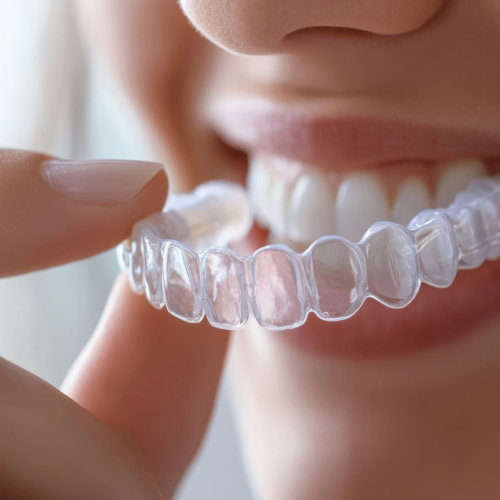
Why Your Invisalign Trays Aren't Fitting — and What to Do About It
Invisalign trays not fitting right in Houston? Learn why gaps happen, what tracking means, and when refinements are needed. Call Nu Dentistry Tanglewood.
Read More
If your dentist has ever said, “Your case is more complicated than most,” you may have left the office with more questions than answers. Should you go the traditional route with braces? Or has Invisalign advanced enough to handle your unique dental needs?
For many years, braces were the only answer for complex orthodontic problems. But times have changed. Thanks to major innovations in aligner design and treatment planning, Invisalign is now a strong contender, even for patients with more than just a little crowding or spacing.
Let’s explore how each option performs when your smile needs a serious game plan.
There’s a common belief that Invisalign is only for mild cosmetic corrections, like a slightly crooked front tooth or small gaps. While that may have been true when the system first launched, it’s no longer the case.
Invisalign today is capable of treating a wide range of complex issues, including:
So what changed? A lot. The aligners themselves are now made from a patented SmartTrack material, which applies consistent force to move teeth more predictably. Additionally, Invisalign uses attachments, tiny, tooth-colored “handles” placed on specific teeth, to give the aligners more leverage to push, pull, or rotate as needed. There are also innovations like precision wings, which help guide jaw movement in bite correction cases.
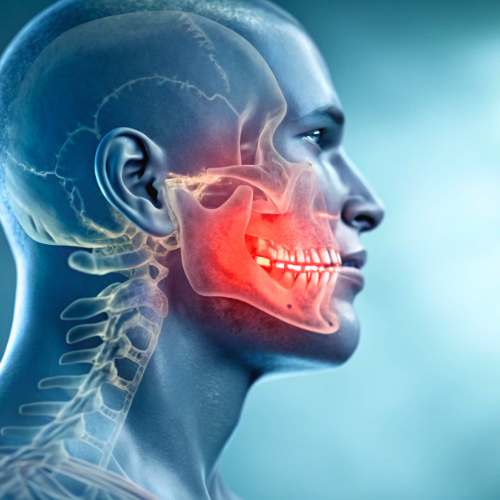
That said, not every complex case is a fit for Invisalign. Severe jaw discrepancies or cases involving impacted teeth might still require braces or a surgical approach. But in many situations, especially with an experienced provider, Invisalign is no longer a second-choice solution; it’s a strong, modern alternative.
At Nu Dentistry Tanglewood, we’ve seen Invisalign work wonders in cases previously labeled “too complex.” The key is having a team that knows how to use the technology to its full potential.
Treatment time is one of the biggest concerns for patients with complex dental issues, and understandably so. Whether you’re managing an intense work schedule, planning a big event, or just ready to be done with dental visits, speed matters.
So which is faster: Invisalign or braces?
In general, braces tend to work slightly faster for the most severe orthodontic cases. This is because braces apply direct, continuous force through brackets and wires, allowing for quicker movement in certain directions. They also give orthodontists more control when working with rotated teeth, vertical changes, or impacted teeth.
However, Invisalign has closed the gap significantly. Thanks to advanced treatment planning software and weekly aligner changes, some patients complete Invisalign treatment in a similar timeframe as braces, even for complicated corrections. And because Invisalign doesn’t rely on regular wire-tightening visits, there are fewer in-office appointments, which can save you time in the long run.
Another thing to consider: compliance. Invisalign only works if you wear it. If aligners are frequently removed or not worn the full 20–22 hours a day, treatment can take longer. Braces, being fixed, don’t allow for that wiggle room. So if you’re someone who’s likely to forget, braces might be the more efficient choice simply due to consistency.
Ultimately, the timeline depends on your case and your habits. At Nu Dentistry Tanglewood, we tailor each treatment plan to your specific goals and lifestyle. Whether we recommend Invisalign or braces, we’ll help set realistic expectations from the start.
Let’s be honest: nobody wants to go through months or even years of orthodontic treatment only to watch their teeth shift back after everything is done. That’s why long-term results are just as important as the treatment itself.
Both Invisalign and braces can give you a beautiful, functional, and lasting smile—if the treatment is done properly and followed by good post-treatment care.
Braces, especially when treating severe cases, offer high precision and are often considered the most reliable way to move teeth into place. That said, Invisalign has become more than capable of delivering equally stable outcomes when used correctly and monitored closely.
What really matters isn’t the method—it’s the retention phase. No matter which treatment you choose, you’ll need to wear a retainer afterward. This holds your teeth in their new positions while your bones and tissues adapt to the changes. Neglecting your retainer is the fastest way to undo your results, whether you used aligners or brackets.
Invisalign users often find it easier to transition into retainer use, since the retainers look and feel like the aligners they’ve already been wearing. Braces patients might take a little longer to adjust, especially after going from something fixed to something removable.
The bottom line? If you follow instructions, wear your retainer as prescribed, and maintain good oral hygiene, both Invisalign and braces can set you up for a lifetime of confident smiling.
Comfort: Invisalign aligners are smooth and don’t have brackets or wires that poke the inside of your cheeks. Braces can be uncomfortable at first, and adjustments can cause temporary soreness.
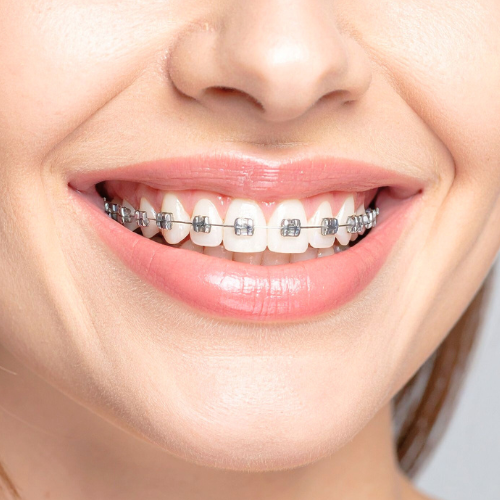
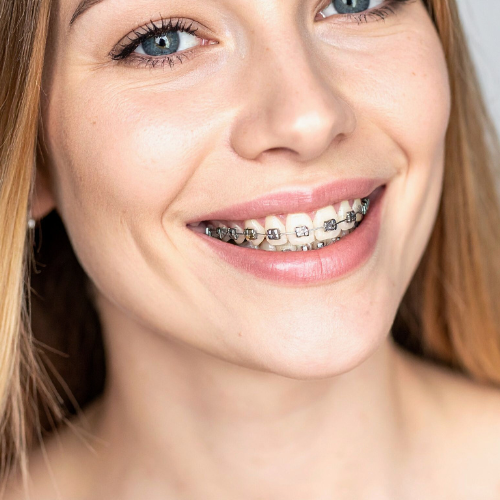
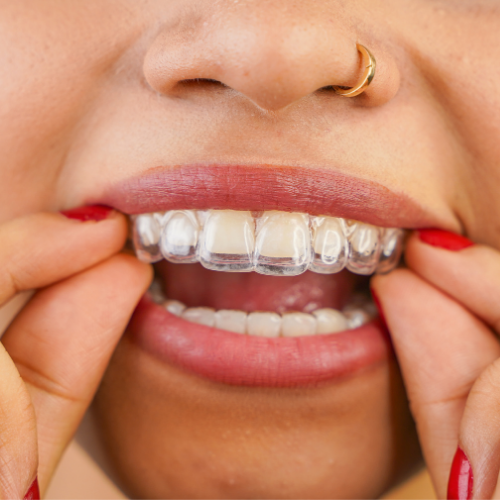
Aesthetics: Invisalign is nearly invisible, which is a big win if you’re self-conscious about wearing braces in your professional or social life. Braces are more visible, though there are ceramic options that blend in with your teeth.
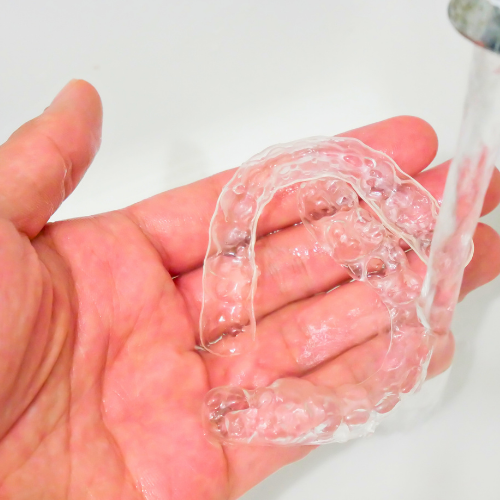
Maintenance and hygiene: Invisalign aligners can be removed for eating and brushing, making oral hygiene easier. Braces require more careful cleaning around brackets and wires, and may come with dietary restrictions.
Emergencies: Braces can come with surprise visits, think broken brackets or popped wires. Invisalign doesn’t have those issues, though lost or cracked aligners can cause delays if not replaced quickly.
Lifestyle fit: Invisalign works best for people who are disciplined and consistent. If you tend to forget things or misplace items, braces may actually save you stress.
Invisalign and braces both have strengths and limitations when it comes to complex cases. The decision isn’t just about technology; it’s about lifestyle, comfort, compliance, and the level of control needed to move your teeth into alignment.
At Nu Dentistry Tanglewood, we don’t believe in one-size-fits-all answers. Instead, we offer one-on-one consultations that include a full exam, 3D scans, and a personalized recommendation based on your needs. You’ll leave with clarity and confidence about which option will get you the best result.
Whether you’ve been told your case is “too complicated” for aligners or you’re just not sure where to start, Nu Dentistry Tanglewood is here to help. We’ve successfully treated hundreds of complex cases using both Invisalign and braces, and we’ll walk you through every step.
Call us today or book an appointment online to get started. Your new smile could be closer than you think.
Fresh news from the dental world
SEE WHAT A VISIT TO OUR MODERN, STATE-OF-THE-ART DENTIST OFFICE IS LIKE!


Monday - Friday 9am - 6pm
Saturday 9am - 3pm
Sunday Closed
Check out what our patients are saying in Houston, TX


“Never Thought I'd Say It”
I never thought I’d say it, but going to the dentist is actually fun now. I recently came in for a root canal, and I got to sit back and catch up on Stranger Things without any pain!

“Anxiety Has Kept Me Away ”
I usually have such huge anxiety when I go to a dentist appointment, which means I always put off visits until the last minute to disastrous consequences. However, Dr. Loggins helped me with sedation, so the entire process was a breeze!

“The Best Dentist In Houston”
We have been looking for a family dentist for a long time. Not too long ago we met Dr. Ali. Not only was he professional, kind, and gentle, but he always finds a way to fit us in when we need an appointment. He’s also pretty funny! I appreciate that he takes the time to explain what he’s doing, before he does it. That really puts me at ease.

“Part Of The Family”
When I come in for an exam, Dr. Alrajab makes me feel like I’m a part of his family. I haven’t had a single cavity or filling done since I started coming here, which is a real change from my last hygienist.
“Never Thought I'd Say It”
I never thought I’d say it, but going to the dentist is actually fun now. I recently came in for a root canal, and I got to sit back and catch up on Stranger Things without any pain!
“Anxiety Has Kept Me Away ”
I usually have such huge anxiety when I go to a dentist appointment, which means I always put off visits until the last minute to disastrous consequences. However, Dr. Loggins helped me with sedation, so the entire process was a breeze!
We are proud members of these dental organizations and accreditations


Check us out and follow our Houston, TX practice on social media...


