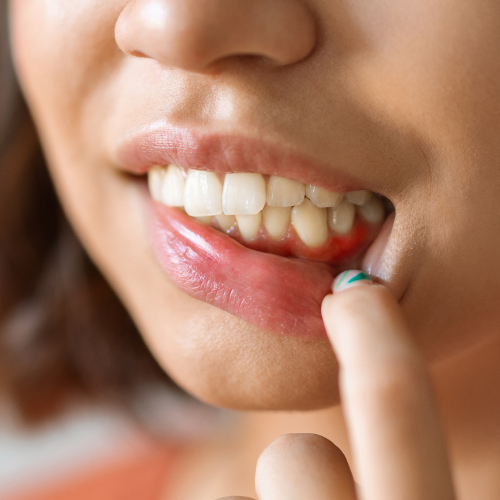
The 4 Stages of Gum Disease — And How to Read the Numbers Your Dentist Calls Out
Houston patients: learn what each gum disease stage means, how to read the pocket numbers your dentist calls out, and when reversal is still on the table.
Read More
If you’re experiencing a dental emergency, the last thing you want to do is wait for treatment. Painful toothaches, cracked or broken teeth, and lost fillings or crowns can all be incredibly stressful, and if left untreated, can lead to further problems down the line. That’s why it’s important to know what to do in a dental emergency and where to turn for fast, effective treatment. In this blog, we’ll take a look at some of the most common dental emergencies and provide tips on how to deal with them, as well as answer some frequently asked questions about toothaches and what to do if you have a cracked tooth.
Rinse Your Mouth with Warm Saltwater A toothache can be caused by various factors, such as an infection or debris lodged between your teeth. Rinsing your mouth with warm salt water can help alleviate the pain by flushing out debris and reducing inflammation. Mix half a teaspoon of salt in a glass of warm water and swish it around in your mouth for 30 seconds before spitting it out. Repeat this process several times a day as needed.
Apply a Cold Compress Applying a cold compress to the outside of your cheek near the painful tooth can help to numb the area and reduce inflammation. Wrap ice or a bag of frozen vegetables in a thin towel and hold it against your cheek for 15-20 minutes at a time. Be sure not to apply the ice directly to your skin, as this can cause frostbite.
Use a Topical Pain Reliever Topical pain relievers, such as benzocaine, can provide temporary relief from toothache pain. These over-the-counter gels or creams can be applied directly to the affected area, numbing the pain for a short period. Be sure to follow the instructions on the label for proper usage.
Over-the-counter painkillers can help provide temporary relief from toothache pain. The most commonly recommended painkillers for toothaches are:
Ibuprofen (e.g., Advil, Motrin) Ibuprofen is a non-steroidal anti-inflammatory drug (NSAID) that works by reducing inflammation and providing pain relief. It's typically recommended for toothache pain because it targets both inflammation and pain. It can also help to decrease swelling around the affected tooth, making it easier to eat and drink. Be sure to follow the recommended dosage on the label and consult your doctor if you have any concerns, especially if you have a history of stomach ulcers, kidney problems, or are taking blood thinners.
Acetaminophen (e.g., Tylenol) Acetaminophen is a popular choice for pain relief and fever reduction. Although it doesn't have anti-inflammatory properties, it can still provide effective relief from toothache pain by blocking pain signals to the brain. This makes acetaminophen a suitable option for those who cannot take NSAIDs due to allergies or existing medical conditions. Like with ibuprofen, follow the recommended dosage on the label and consult your doctor if necessary.
Aspirin Aspirin is another NSAID that can be effective in providing relief from toothache pain. It works similarly to ibuprofen by reducing inflammation and pain. However, it's essential to note that aspirin should not be given to children or teenagers due to the risk of Reye's syndrome, a rare but serious condition. Additionally, aspirin can interact with other medications and increase the risk of bleeding, so consult your doctor before using it for toothache relief.
Naproxen (e.g., Aleve) Naproxen is another NSAID option that can be used to relieve toothache pain. Like ibuprofen, it targets inflammation and pain. Naproxen is often longer-lasting than other NSAIDs, providing extended relief from toothache pain. As with other painkillers, follow the recommended dosage on the label and consult your doctor if you have concerns or are taking other medications.
Combination Pain Relievers Some over-the-counter pain relievers combine acetaminophen with other medications, such as caffeine or an opioid like codeine. These combination pain relievers can provide more potent relief for severe toothache pain. However, they may also carry an increased risk of side effects, and the use of opioids should be closely monitored. It's essential to consult your doctor before using these combination pain relievers, especially if you have a history of substance abuse or are taking other medications.
Remember that painkillers should be used as a temporary solution and are not a substitute for proper dental care. Overusing painkillers can lead to potential side effects and complications, including gastrointestinal issues, liver or kidney damage, and addiction, particularly when using opioids. It's crucial to visit your dentist to determine the root cause of your toothache and receive appropriate treatment.
Cracked teeth can be caused by various factors, such as biting on hard foods, tooth grinding, or trauma to the face. If left untreated, a cracked tooth can lead to several complications, including:
Pain and Sensitivity When a tooth cracks, the inner layers of the tooth (dentin and pulp) become exposed. These layers contain nerves and blood vessels, which can cause pain and sensitivity when exposed to hot, cold, or sweet foods and drinks.
Infection An untreated cracked tooth can allow bacteria to enter the tooth's inner layers, leading to infection. An infected tooth can cause severe pain, swelling, and even the formation of an abscess. In some cases, the infection can spread to other parts of the body, resulting in potentially life-threatening complications.
Tooth Loss If a cracked tooth is left untreated, the crack can worsen over time, eventually leading to tooth loss. Losing a tooth can have a significant impact on your appearance, ability to chew, and overall oral health. It may also lead to other dental problems, such as shifting teeth, bone loss, and changes in your bite.
More Extensive Dental Treatments Delaying treatment for a cracked tooth can lead to more severe dental issues, which may require more extensive and costly treatments, such as root canal therapy, dental crowns, or even tooth extraction and replacement with a dental implant or bridge.
To avoid these complications, it's crucial to visit your dentist as soon as you notice any signs of a cracked tooth. Early intervention can help save your tooth and prevent further damage.
Dealing with a toothache or a dental emergency can be stressful and overwhelming, but knowing how to manage your pain at home and understanding the importance of seeking professional dental care can make a big difference in your oral health. By following our ultimate guide, you can help ensure that you're well-prepared for any dental crisis that comes your way.
Remember, if you're experiencing a toothache, a cracked tooth, or any other dental emergency, don't wait for the situation to worsen. Schedule a consultation with your trusted emergency dentist in Houston to receive the proper care and treatment you need. Your smile and overall well-being are worth it!
Fresh news from the dental world



SEE WHAT A VISIT TO OUR MODERN, STATE-OF-THE-ART DENTIST OFFICE IS LIKE!


Monday - Friday 9am - 6pm
Saturday 9am - 3pm
Sunday Closed
Check out what our patients are saying in Houston, TX


“Never Thought I'd Say It”
I never thought I’d say it, but going to the dentist is actually fun now. I recently came in for a root canal, and I got to sit back and catch up on Stranger Things without any pain!

“Anxiety Has Kept Me Away ”
I usually have such huge anxiety when I go to a dentist appointment, which means I always put off visits until the last minute to disastrous consequences. However, Dr. Loggins helped me with sedation, so the entire process was a breeze!

“The Best Dentist In Houston”
We have been looking for a family dentist for a long time. Not too long ago we met Dr. Ali. Not only was he professional, kind, and gentle, but he always finds a way to fit us in when we need an appointment. He’s also pretty funny! I appreciate that he takes the time to explain what he’s doing, before he does it. That really puts me at ease.

“Part Of The Family”
When I come in for an exam, Dr. Alrajab makes me feel like I’m a part of his family. I haven’t had a single cavity or filling done since I started coming here, which is a real change from my last hygienist.
“Never Thought I'd Say It”
I never thought I’d say it, but going to the dentist is actually fun now. I recently came in for a root canal, and I got to sit back and catch up on Stranger Things without any pain!
“Anxiety Has Kept Me Away ”
I usually have such huge anxiety when I go to a dentist appointment, which means I always put off visits until the last minute to disastrous consequences. However, Dr. Loggins helped me with sedation, so the entire process was a breeze!
We are proud members of these dental organizations and accreditations


Check us out and follow our Houston, TX practice on social media...


