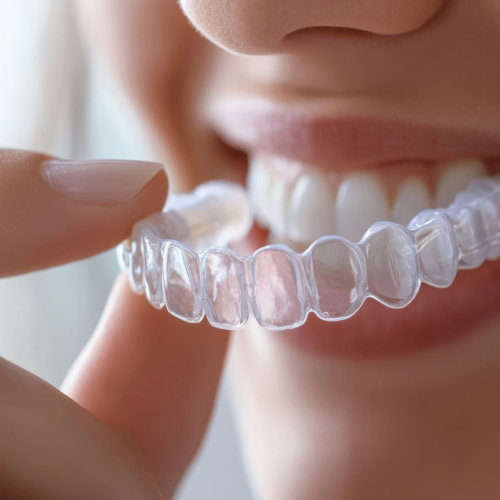
Why Your Invisalign Trays Aren't Fitting — and What to Do About It
Invisalign trays not fitting right in Houston? Learn why gaps happen, what tracking means, and when refinements are needed. Call Nu Dentistry Tanglewood.
Read More
One of the most common questions we get asked is "At what age is it suitable to get braces?" The answer is that it really depends on the individual case. While the American Association of Orthodontists recommends that children have their first orthodontic evaluation by age 7, some children may benefit from earlier treatment. Conversely, some adults may also choose to straighten their teeth later in life.
For children, the earlier treatment begins, the more effective it can be in addressing certain issues such as crossbite or crowding. Early treatment can also help guide the growth of the jaw and prevent more serious issues from developing later on. In some cases, children may be able to have braces or aligners put on as early as age 6.
For adults, it's never too late to straighten your teeth. In fact, more and more adults are choosing to straighten their teeth as they understand the benefits it can have on their overall oral health and self-confidence. Adult teeth are fully developed and treatment can be done with traditional braces or clear aligners.
In summary, the best age to get braces depends on the individual case and it's best to consult with an orthodontist who can evaluate your specific needs and recommend the best course of action. Don't let age hold you back from achieving the straight and beautiful smile you deserve!
The first stage of getting braces is the initial consultation. During this appointment, our orthodontist will evaluate your teeth, gums, and bite. They will also take x-rays and possibly impressions of your teeth. From this, they will be able to determine the best course of action for your specific case. They will also discuss the different options available for teeth straightening such as traditional metal braces, clear ceramic braces, or clear aligners.
The second stage is the preparation stage. This is when your orthodontist will prepare your teeth for the braces by cleaning them, taking more impressions, and possibly removing any teeth that may be in the way. This stage also includes placing the brackets or aligners on your teeth.
The third stage is the active treatment stage. This is when the braces or aligners are in place and are actively working to straighten your teeth. You will have regular appointments with your orthodontist to check on the progress of your treatment and make any necessary adjustments. This stage can last anywhere from 6 months to 2 years depending on the severity of your case.
The final stage is the retention stage. Once your teeth have been straightened, your orthodontist will remove the braces or aligners and give you a retainer to wear. The retainer will help to keep your teeth in their new position while your gums and bones adjust. Retention can last from 6 months to a year, depending on the individual case.
It's important to remember that every case is unique and the stages and timeline for teeth straightening will vary for each individual. But with the help of an orthodontist, you will be on your way to achieving a straighter, more beautiful smile.
When it comes to teeth straightening, there are a few options to choose from, but two of the most popular are traditional braces and clear aligners. Both methods have their own set of pros and cons, so it can be difficult to decide which one is the right solution for you.
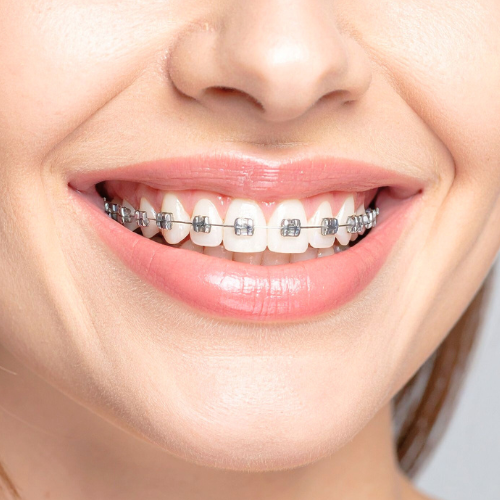
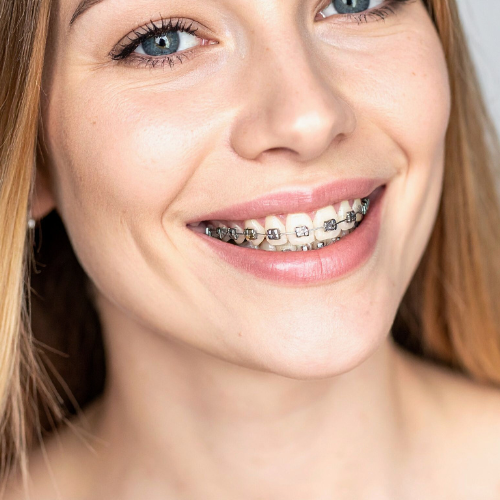
Braces are a tried-and-true method of straightening teeth. They consist of metal brackets and wires that are bonded to the teeth. The brackets are connected by wires and are adjusted periodically to gradually move the teeth into the desired position. Braces are highly effective and can correct a wide range of issues, including overbites, underbites, and crowded teeth. They are also typically more affordable than clear aligners.
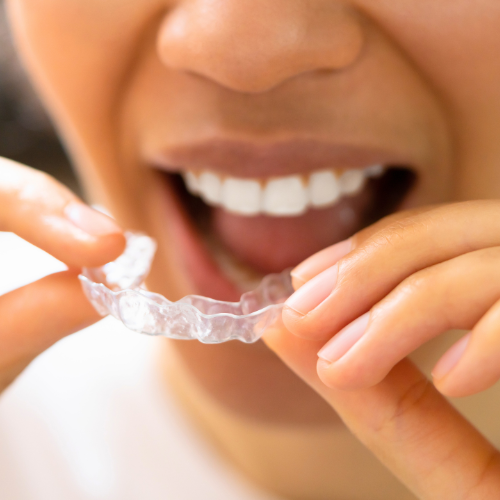
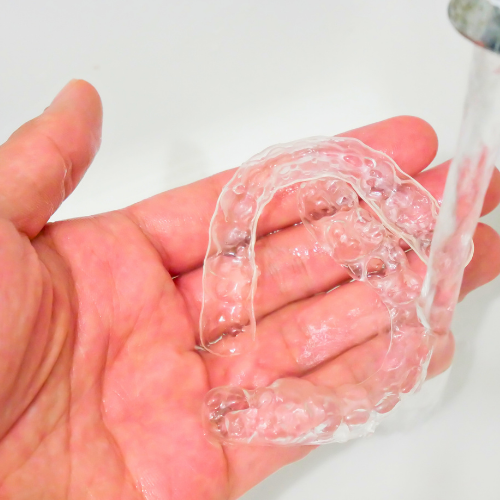
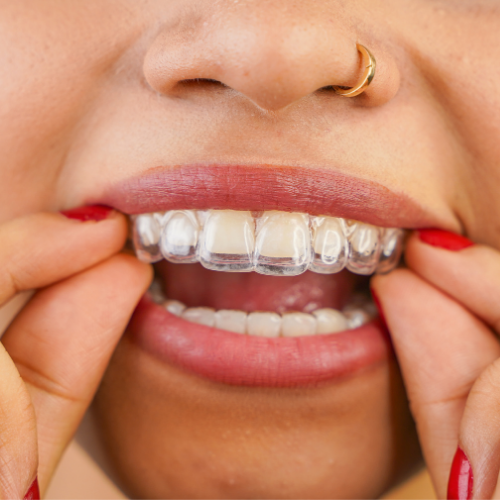
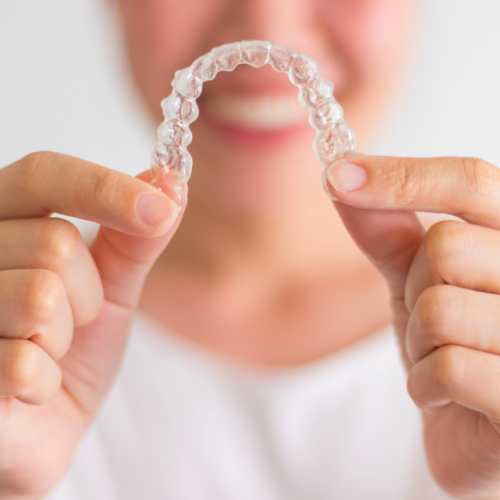
Clear aligners, on the other hand, are a more modern approach to teeth straightening. They are a series of clear plastic trays that are custom-made to fit your teeth. The aligners are worn for about 22 hours a day and are changed every two weeks. Clear aligners are virtually invisible, making them a popular choice for adults and older teens who don't want to draw attention to their treatment. They are also more comfortable than braces because they don't have any metal brackets or wires that can irritate the gums and cheeks.
Ultimately, the choice between braces and clear aligners comes down to personal preference and the specific needs of your case. Your orthodontist will be able to evaluate your teeth and recommend the best option for you. And remember, both options will help you achieve the straight and beautiful smile you desire.
In conclusion, teeth straightening is a great way to improve your overall oral health and self-confidence. Whether you're an adult or a child, there are a variety of options available, including traditional braces and clear aligners. Both methods have their own set of pros and cons, and the best option for you will depend on your individual case and personal preference. It is recommended to have an initial consultation with an orthodontist to determine the best course of action. It is important to keep in mind that teeth straightening is not just about aesthetics, but also about improving your overall oral health. With the help of our orthodontist, you can achieve a straighter, healthier, and more beautiful smile that will last a lifetime. Contact us today and let us get you the perfect smile.
Fresh news from the dental world

SEE WHAT A VISIT TO OUR MODERN, STATE-OF-THE-ART DENTIST OFFICE IS LIKE!


Monday - Friday 9am - 6pm
Saturday 9am - 3pm
Sunday Closed
Check out what our patients are saying in Houston, TX


“Never Thought I'd Say It”
I never thought I’d say it, but going to the dentist is actually fun now. I recently came in for a root canal, and I got to sit back and catch up on Stranger Things without any pain!

“Anxiety Has Kept Me Away ”
I usually have such huge anxiety when I go to a dentist appointment, which means I always put off visits until the last minute to disastrous consequences. However, Dr. Loggins helped me with sedation, so the entire process was a breeze!

“The Best Dentist In Houston”
We have been looking for a family dentist for a long time. Not too long ago we met Dr. Ali. Not only was he professional, kind, and gentle, but he always finds a way to fit us in when we need an appointment. He’s also pretty funny! I appreciate that he takes the time to explain what he’s doing, before he does it. That really puts me at ease.

“Part Of The Family”
When I come in for an exam, Dr. Alrajab makes me feel like I’m a part of his family. I haven’t had a single cavity or filling done since I started coming here, which is a real change from my last hygienist.
“Never Thought I'd Say It”
I never thought I’d say it, but going to the dentist is actually fun now. I recently came in for a root canal, and I got to sit back and catch up on Stranger Things without any pain!
“Anxiety Has Kept Me Away ”
I usually have such huge anxiety when I go to a dentist appointment, which means I always put off visits until the last minute to disastrous consequences. However, Dr. Loggins helped me with sedation, so the entire process was a breeze!
We are proud members of these dental organizations and accreditations


Check us out and follow our Houston, TX practice on social media...


