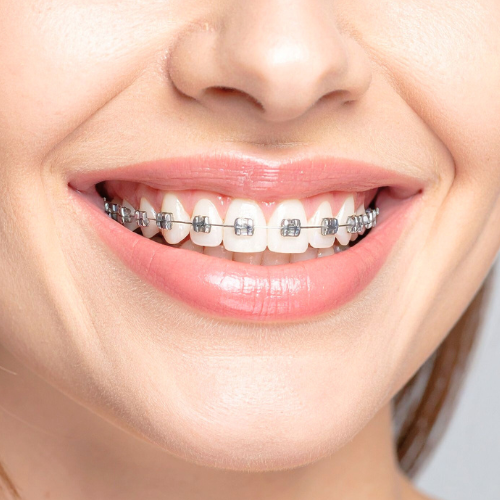
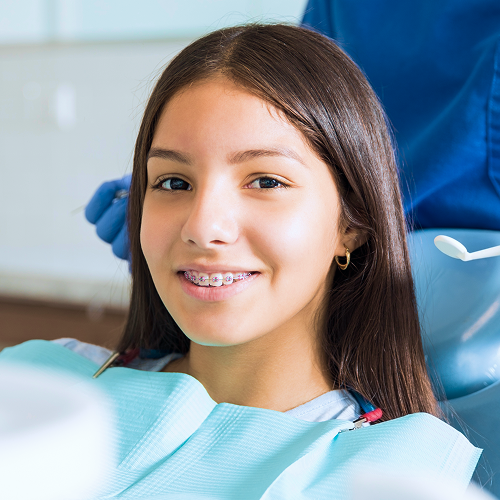
Braces Are a Commitment, Not a Punishment: What to Expect and How to Thrive
Learn how braces work, what to eat, and what discomfort feels like. Schedule a braces consult at Nu Dentistry Tanglewood.
Read More
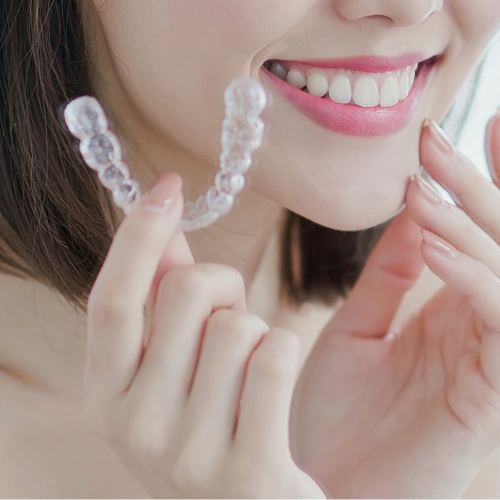
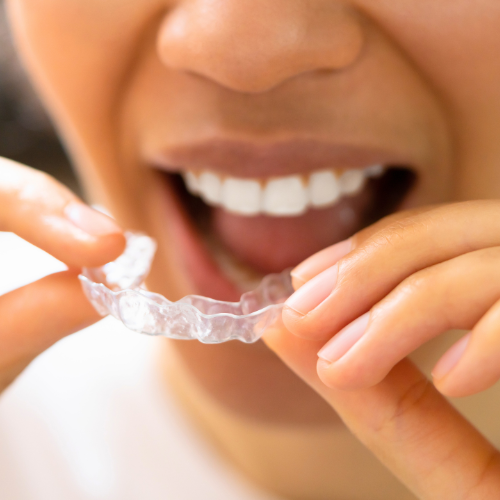
If you are thinking about Invisalign, you are probably hoping for straighter teeth without the look and feel of traditional braces. That is exactly why so many people choose it. The aligners are clear, removable, and designed to fit into real life.
But here is something many patients do not expect. Invisalign is not always a perfectly smooth, same-feeling experience from start to finish. Some weeks feel easy. Some trays feel tighter. Sometimes your bite feels different as your teeth move. In some cases, your dentist may recommend refinements before treatment is fully done.
That does not mean something is wrong.
It usually means your teeth are doing what teeth do during orthodontic treatment, which is move in stages and respond a little differently than a computer prediction.
At Nu Dentistry Tanglewood, we help patients understand not just the benefits of Invisalign, but also what is normal during treatment and when it is time to check in. When you know what to expect, the process feels less stressful and a lot more manageable.
One of the most common questions patients ask near the end of treatment is about Invisalign refinements.
Refinements are additional aligners made after your original set to fine-tune tooth position. Think of them as the detail work after the main movement is complete.
Why refinements happen
Even with excellent planning, teeth do not always move exactly the same way on the exact same timeline. A few factors can affect this:
Refinements are very common and not a sign of failed treatment. In fact, they are often part of getting a better result.
What refinement appointments usually involve
At a refinement visit, your dentist may:
This stage is often shorter than your original Invisalign treatment, but it can make a big difference in the final look and feel of your smile.
Bottom line: If your dentist recommends refinements, it usually means they are being thorough and aiming for a better finish, not rushing you out the door.
Patients are often surprised by this. A tray might feel normal for a couple of days, then suddenly feel tighter later in the week, or even feel tight again after feeling easy.
In many cases, this is normal.
Why tray tightness can change during the week
Here are a few common reasons:
1. Your teeth are still actively moving: Even if a tray felt fine at first, the teeth may continue shifting into position over the next few days, which can change pressure points.
2. You had less wear time than usual: If you left your aligners out longer for meals, events, or travel, they may feel tighter when you put them back in.
3. The aligner is seating better now: As you wear the tray, it may settle more completely around the teeth. When that happens, you can notice pressure in different spots.
4. You switched chewing sides or habits: Clenching, grinding, or chewing more on one side can change how the aligners feel day to day.
5. The next movement in the tray is hitting a stubborn tooth: Some teeth move quickly. Others take their time. If one tooth is lagging slightly, you may feel more pressure as the aligner continues to guide it.
When tightness is expected versus when to call
Some tightness is normal, especially:
Call your dentist if you notice:
A quick check can prevent delays and keep your Invisalign treatment moving smoothly.
Yes, in many cases, Invisalign can help improve a bite that feels off after a crown or filling, but it depends on the cause.
Sometimes a bite feels off because the new dental work is slightly high and needs a simple adjustment. Other times, the bite issue is related to underlying tooth alignment, crowding, or the way the upper and lower teeth meet. In those cases, Invisalign may be a great option.
First step: Find out what is actually causing the problem
If your bite changed after a crown or filling, your dentist will usually check:
If the crown or filling is the only issue, a small adjustment may solve the problem quickly.
If the restoration revealed a bigger bite issue, Invisalign may help by moving teeth into better positions over time.
How Invisalign may help bite problems
Depending on your case, Invisalign can sometimes help with:
This is one reason a full evaluation matters. What feels like a simple crown problem may actually be a bite issue that has been there for years and only became noticeable after dental work.
Important note: Not every bite problem should be treated with Invisalign alone. Some cases need restorative adjustments, night guard therapy, or a combination approach. A proper exam helps determine the best path.
If you want better comfort and better results during Invisalign treatment, these habits help a lot:
Daily habits that make a difference
A quick mindset shift that helps
Invisalign is not just about making teeth look straight in photos. It is also about getting your teeth to move in a healthy, functional way. That means small adjustments, check-ins, and refinements can be part of doing the job properly.
If you have been thinking about Invisalign in Houston, or if you are already in treatment and have questions about tray tightness, bite changes, or refinements, it helps to have a dental team that takes the time to explain what is happening.
At Nu Dentistry Tanglewood, we can evaluate your smile, check your bite, and help you understand whether Invisalign is the right fit for your goals. Schedule an appointment with Nu Dentistry Tanglewood to talk about your Invisalign options and get a treatment plan that works for your smile and your life.
Fresh news from the dental world
SEE WHAT A VISIT TO OUR MODERN, STATE-OF-THE-ART DENTIST OFFICE IS LIKE!


Monday - Friday 9am - 6pm
Saturday 9am - 3pm
Sunday Closed
Check out what our patients are saying in Houston, TX


“Never Thought I'd Say It”
I never thought I’d say it, but going to the dentist is actually fun now. I recently came in for a root canal, and I got to sit back and catch up on Stranger Things without any pain!

“Anxiety Has Kept Me Away ”
I usually have such huge anxiety when I go to a dentist appointment, which means I always put off visits until the last minute to disastrous consequences. However, Dr. Loggins helped me with sedation, so the entire process was a breeze!

“The Best Dentist In Houston”
We have been looking for a family dentist for a long time. Not too long ago we met Dr. Ali. Not only was he professional, kind, and gentle, but he always finds a way to fit us in when we need an appointment. He’s also pretty funny! I appreciate that he takes the time to explain what he’s doing, before he does it. That really puts me at ease.

“Part Of The Family”
When I come in for an exam, Dr. Alrajab makes me feel like I’m a part of his family. I haven’t had a single cavity or filling done since I started coming here, which is a real change from my last hygienist.
“Never Thought I'd Say It”
I never thought I’d say it, but going to the dentist is actually fun now. I recently came in for a root canal, and I got to sit back and catch up on Stranger Things without any pain!
“Anxiety Has Kept Me Away ”
I usually have such huge anxiety when I go to a dentist appointment, which means I always put off visits until the last minute to disastrous consequences. However, Dr. Loggins helped me with sedation, so the entire process was a breeze!
We are proud members of these dental organizations and accreditations


Check us out and follow our Houston, TX practice on social media...


