Medically Reviewed by Dr. Ali Tameemi
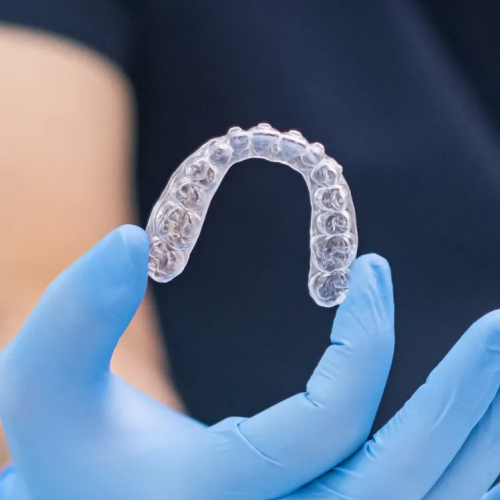
Byte, the popular direct-to-consumer aligner company, ceased operations in early 2024, leaving thousands of customers mid-treatment. Before you look for the next DIY option, understand why the real biological risks make unsupervised aligner treatment far more serious than it first appears.
Why Byte Was Never Actually Safer
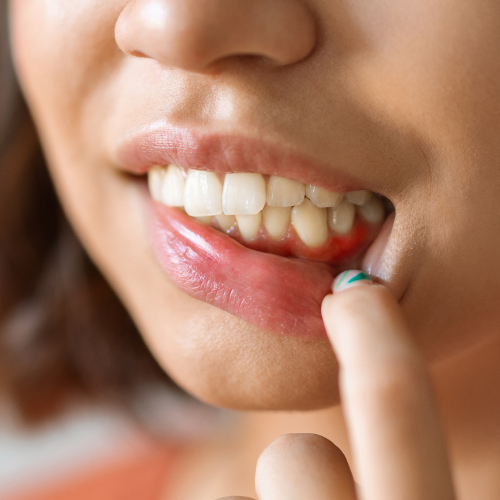
When direct-to-consumer aligner treatment goes wrong — and a common complication is a posterior open bite, where back teeth no longer meet properly — an orthodontist doesn't simply pick up where the previous company left off. They must first reverse the improper tooth movements before beginning any actual correction.
Research published in PMC on adverse events from direct-to-consumer aligners found that patients experienced complications including worsening malocclusion, root damage, and gum disease problems — conditions that required professional intervention far beyond what the aligner company could offer. The "rescue case" isn't a rare edge scenario. It's a documented pattern.
Byte also offered no clinical X-ray review before treatment began. That omission matters enormously. Without imaging, nobody screens for bone density issues, impacted teeth, or root positions that contraindicate tooth movement.
Why Byte's Business Model Became Legally Untenable
Byte's shutdown wasn't simply a shipping or customer service failure. It reflects a fundamental regulatory shift that makes the DTC aligner model structurally broken in many states.
State dental boards across the country have moved toward requiring a physical, in-person clinical examination and X-ray review before clear aligner treatment can legally begin. This directly dismantles the core of Byte's model — the idea that a patient's mailed impression or smartphone scan is sufficient to start moving teeth. When the law requires a physical office and a licensed clinician's hands-on assessment, a mail-order company has no compliant pathway forward.
A survey-based study on direct-to-consumer orthodontics noted that the American Dental Association and American Association of Orthodontists filed legal complaints with 36 state dental boards against SmileDirectClub — Byte's closest competitor — specifically because moving teeth without professional supervision poses documented patient risk. The regulatory momentum has only accelerated since.
This isn't a temporary pause. It's a legal reckoning with a business model that bypassed the clinical standards dentistry has maintained for decades. Byte customers left mid-treatment had no recourse, no provider, and no clear path to completing care.
What Remote AI Cannot Feel: The Bone and Root Blindspot
In-person orthodontic supervision is routinely described as "more convenient" or producing "better results." That framing undersells the biological necessity.
When an orthodontist sees a patient in person, they perform manual palpation — physically checking each tooth for mobility. They conduct periodontal probing to assess bone levels around each root. These are tactile evaluations. No AI-powered app, no smartphone scan, and no remote photo review can replicate the sensation of a tooth that is becoming dangerously loose or a jawbone that is thinning in real time.
Root resorption — the shortening of tooth roots under excessive or misdirected orthodontic force — is a serious risk that builds silently. By the time it appears clearly on a scan, significant damage may already have occurred. An in-person clinician catches early warning signs: slight tooth mobility, changes in gum tissue, patient-reported sensitivity that contextualizes what imaging shows. A Healthline overview of clear aligners notes that remote treatment "can be less predictable than in-person treatment" — but that phrasing still softens the clinical reality.
A PMC systematic review on teledentistry effectiveness in orthodontics confirmed that while remote monitoring supplements care effectively, it cannot replace the diagnostic accuracy of a clinical examination. Supplementing is the operative word. Technology works alongside a trained clinician — not instead of one.
Patients who used Byte without ever seeing a dentist had no one performing these checks. Teeth were moving without anyone physically verifying that the bone could support that movement.
What In-Person Orthodontic Care Actually Provides
The value of supervised orthodontic treatment in Houston isn't just about catching problems. It's about building a treatment plan on complete diagnostic information from the start.
A licensed orthodontist takes X-rays, evaluates jaw relationships, assesses gum health, and considers factors like whether a patient grinds their teeth — bruxism significantly affects how aligners should be designed and worn, as Healthline notes in its coverage of teeth chattering and bruxism. They also monitor progress at every stage, adjusting the plan when teeth respond differently than predicted.
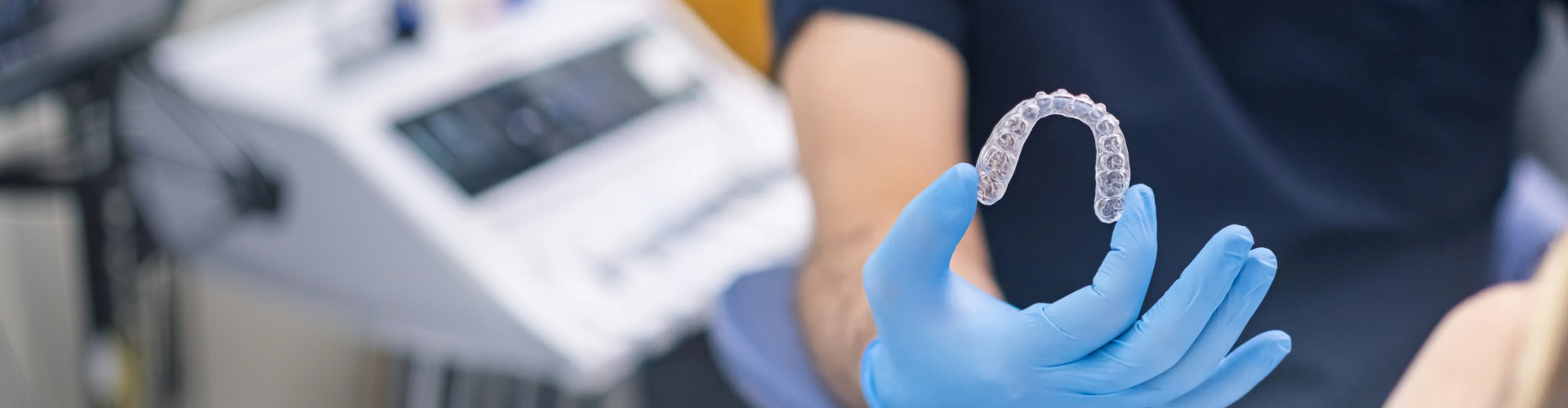
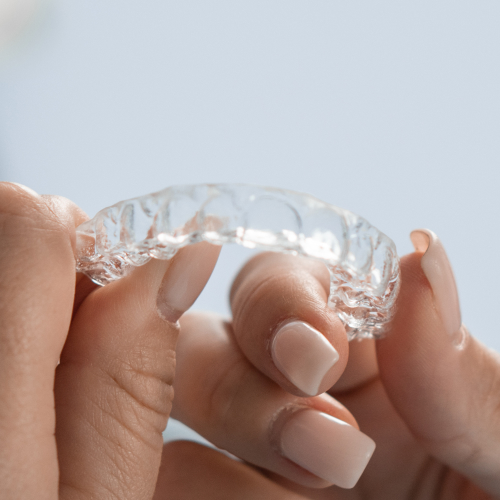
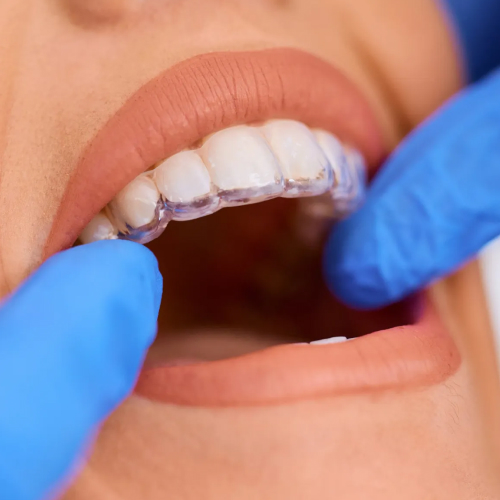
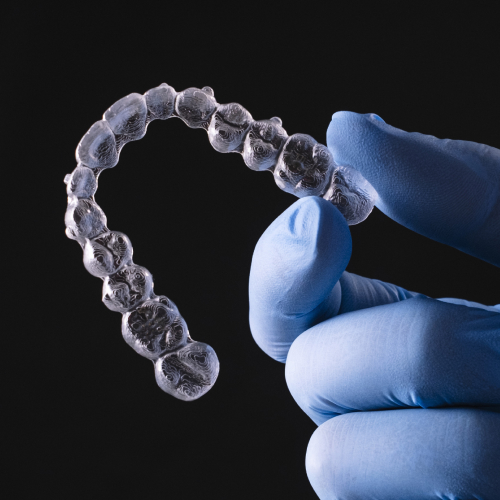
Clear aligners prescribed and monitored in-office — brands like Invisalign — carry the same aesthetic appeal as DTC options but with a clinician verifying fit, bone response, and gum health throughout. The treatment timeline may look similar on paper. The clinical safety profile is not comparable.
For patients who experienced complications such as root damage, a root canal or other restorative intervention may be necessary before orthodontic correction can even begin. In severe cases, a tooth extraction may be required if a tooth has been irreparably compromised by unsupervised movement.
For patients in the Tanglewood and Uptown Houston area who were left mid-treatment by Byte, the path forward starts with a comprehensive in-person evaluation — not another remote impression kit.
Ready to Start Your Orthodontic Treatment the Right Way?
If Byte left you with unfinished treatment, or you're simply ready to explore safe, supervised orthodontic options in Houston, Nu Dentistry Tanglewood is here to help. Our team serves patients across Greater Houston, including Tanglewood and Uptown, with comprehensive evaluations that include X-rays, clinical exams, and personalized treatment planning — and if your smile needs restoration after a difficult aligner experience, we offer solutions ranging from cavity fillings to dental implants. No mail-order impressions. No remote guesswork. Just real care from a real provider.
Contact us to schedule your consultation.
Medical disclaimer: This article is for informational purposes only and does not constitute professional dental or medical advice. Consult a licensed dental professional for diagnosis and treatment recommendations specific to your situation.