
Dental Implants in Houston: What Actually Determines Long-Term Success
Considering dental implants in Houston? Learn what determines long-term success: bone foundation, materials, and surgical planning. Book a consultation at Nu Dentistry.
Read More
If you’re dealing with constant jaw tension, headaches, or that annoying click when you open your mouth, you might have more than just a bad habit of clenching—TMJ disorder could be the real culprit. TMJ (short for temporomandibular joint) pain isn’t just frustrating; it can take over your daily life. And if you’ve been told that straightening your teeth might help, you’re probably wondering: Will braces help? What about Invisalign? And how do I even choose?
Let’s break it down.
The alignment of your teeth and bite plays a big role in how your jaw functions. When your teeth are misaligned (a condition called malocclusion), it can throw off the balance of your bite, overwork your jaw muscles, and put strain on the joint itself.
Imagine trying to run in shoes that don’t fit. Over time, that imbalance adds stress, and that’s kind of what happens with your jaw.
TMJ symptoms can include:
Not everyone with crooked teeth develops TMJ, and not all TMJ issues come from misalignment. But when they are linked, treating the bite often brings real relief.
It depends on your teeth, your jaw, and how severe the misalignment is.
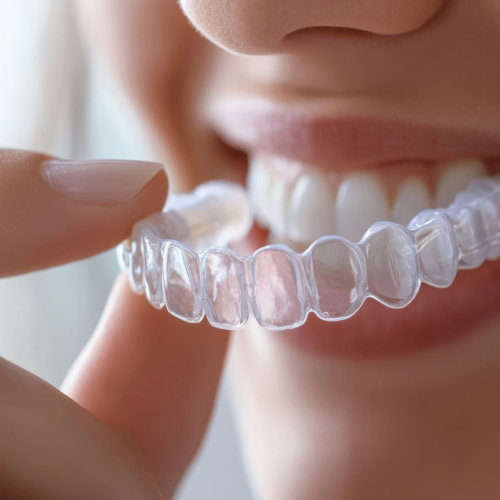
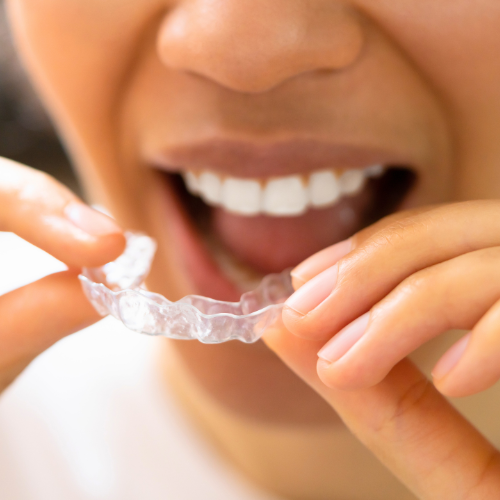
Invisalign uses clear plastic aligners to gently move teeth into better positions over time. It’s a favorite for adults and teens because it’s discreet, removable, and more comfortable than metal braces. For some people with mild to moderate misalignment, Invisalign can take pressure off the jaw and relieve symptoms of TMJ.
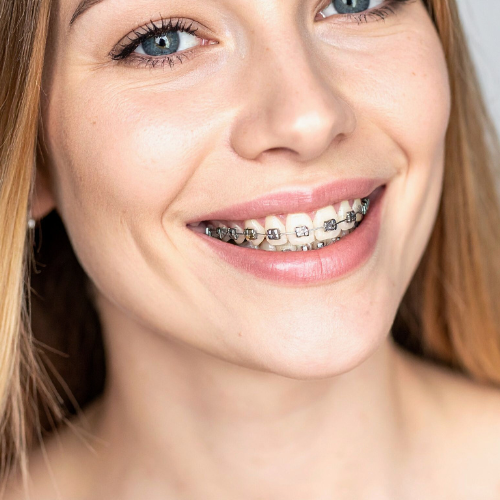
Braces, on the other hand, are often recommended when more complex issues are at play. They can handle tougher cases, like significant bite problems or severe crowding, and they offer a higher level of control over tooth movement.
So which one’s better?
Here’s what we’ve seen at Nu Dentistry Houston:
What really matters is the diagnosis behind your pain. TMJ isn’t one-size-fits-all, and neither is the treatment.
In many cases, yes. When misaligned teeth force your jaw into unnatural positions, your joints and muscles have to work overtime to compensate. Over months or years, that added pressure can cause pain, inflammation, and fatigue in your jaw.
By realigning the bite, orthodontic treatment reduces the strain. It gives your jaw a chance to rest in a more natural position, which often translates to fewer flare-ups, better sleep, and less pain over time.
But here’s the thing: not all TMJ symptoms are caused by misaligned teeth. Sometimes they stem from stress-related clenching, arthritis, injury, or even poor posture. That’s why a personalized evaluation is so important.
At Nu Dentistry Houston, we don’t just hand out braces or Invisalign trays and hope for the best. We listen to your symptoms, assess your jaw health, and recommend treatment based on what your body actually needs.
Once we’ve determined that orthodontic treatment could help, the next step is figuring out which approach suits your case—and your lifestyle. Your comfort, daily routine, and the complexity of your bite all play a role in the decision.
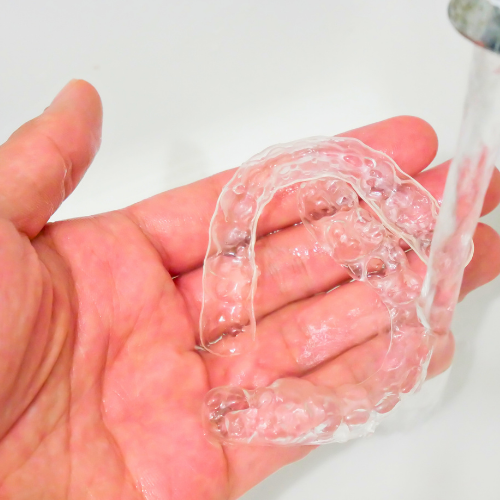
With Invisalign, you’ll wear a series of custom-made clear aligners 20–22 hours a day, switching to a new set every 1–2 weeks. These trays work gradually and gently, nudging your teeth into better alignment over time. Many patients love that they’re nearly invisible and don’t come with the restrictions of traditional braces. Since they’re removable, you can still enjoy all your favorite meals and keep up your regular brushing and flossing routine with ease. It’s a low-maintenance option that fits seamlessly into most lifestyles—perfect if you’re looking for discretion and flexibility.
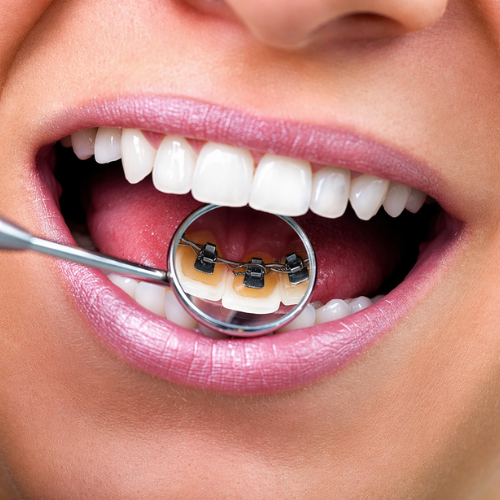
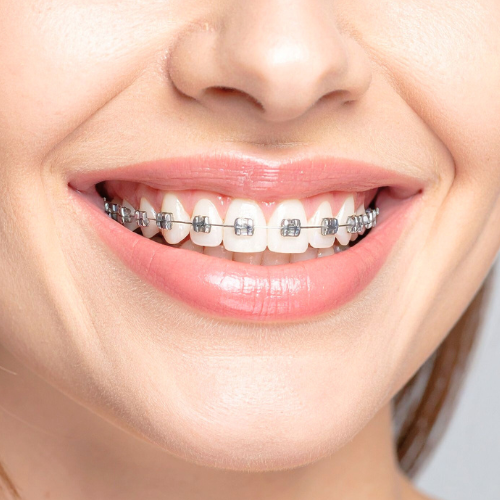
With braces, we use metal brackets and wires to move your teeth into position with more control. Braces stay on 24/7, which means they’re always working, even while you sleep. You’ll visit us regularly for adjustments, where we’ll fine-tune the pressure to guide the movement of your teeth and bite. Braces are especially effective for complex cases, like significant bite issues or jaw misalignment, and they can achieve precise results that sometimes go beyond what aligners can do. Cleaning does take a bit more effort, and some foods will need to be avoided, but for many patients, the long-term relief is more than worth it.
In both cases, treatment times vary, from 6 months for milder cases to around 2 years for more complex ones. Throughout your treatment, we’ll monitor how your jaw responds and make sure you’re on track not just for a straighter smile, but for reduced tension and long-term comfort. The most important takeaway? Both Invisalign and braces can be powerful tools in treating TMJ when used strategically and with your individual needs in mind.
That’s a fair question—and one we get often. While many patients experience dramatic relief once their bite is corrected, others may need additional support. This could include:
We’re here for all of it. If your jaw pain lingers even after orthodontics, we’ll explore other conservative treatments to get you relief.
This is where a personalized consultation makes all the difference. At Nu Dentistry Houston, we take the time to understand your symptoms, scan your bite, and assess how your jaw is functioning.
We’re not here to upsell you on anything. Our goal is to figure out what will genuinely help you feel better—whether that’s Invisalign, braces, a nightguard, or a mix of treatments. You deserve answers, not guesswork.
Jaw pain doesn’t have to be your normal. Let’s fix that.
If you’re tired of clenching, aching, or waking up with tension headaches, let’s talk. Book a consultation with Nu Dentistry Houston today and find out if braces or Invisalign can help restore comfort to your bite, and your life.
Fresh news from the dental world

SEE WHAT A VISIT TO OUR MODERN, STATE-OF-THE-ART DENTIST OFFICE IS LIKE!


Monday - Friday 9am - 6pm
Saturday 9am - 3pm
Sunday Closed
Check out what our patients are saying in Houston, TX


“Never Thought I'd Say It”
I never thought I’d say it, but going to the dentist is actually fun now. I recently came in for a root canal, and I got to sit back and catch up on Stranger Things without any pain!

“Anxiety Has Kept Me Away ”
I usually have such huge anxiety when I go to a dentist appointment, which means I always put off visits until the last minute to disastrous consequences. However, Dr. Loggins helped me with sedation, so the entire process was a breeze!

“The Best Dentist In Houston”
We have been looking for a family dentist for a long time. Not too long ago we met Dr. Ali. Not only was he professional, kind, and gentle, but he always finds a way to fit us in when we need an appointment. He’s also pretty funny! I appreciate that he takes the time to explain what he’s doing, before he does it. That really puts me at ease.

“Part Of The Family”
When I come in for an exam, Dr. Alrajab makes me feel like I’m a part of his family. I haven’t had a single cavity or filling done since I started coming here, which is a real change from my last hygienist.
“Never Thought I'd Say It”
I never thought I’d say it, but going to the dentist is actually fun now. I recently came in for a root canal, and I got to sit back and catch up on Stranger Things without any pain!
“Anxiety Has Kept Me Away ”
I usually have such huge anxiety when I go to a dentist appointment, which means I always put off visits until the last minute to disastrous consequences. However, Dr. Loggins helped me with sedation, so the entire process was a breeze!
We are proud members of these dental organizations and accreditations


Check us out and follow our Houston, TX practice on social media...


