
Dental Implants in Houston: What Actually Determines Long-Term Success
Considering dental implants in Houston? Learn what determines long-term success: bone foundation, materials, and surgical planning. Book a consultation at Nu Dentistry.
Read More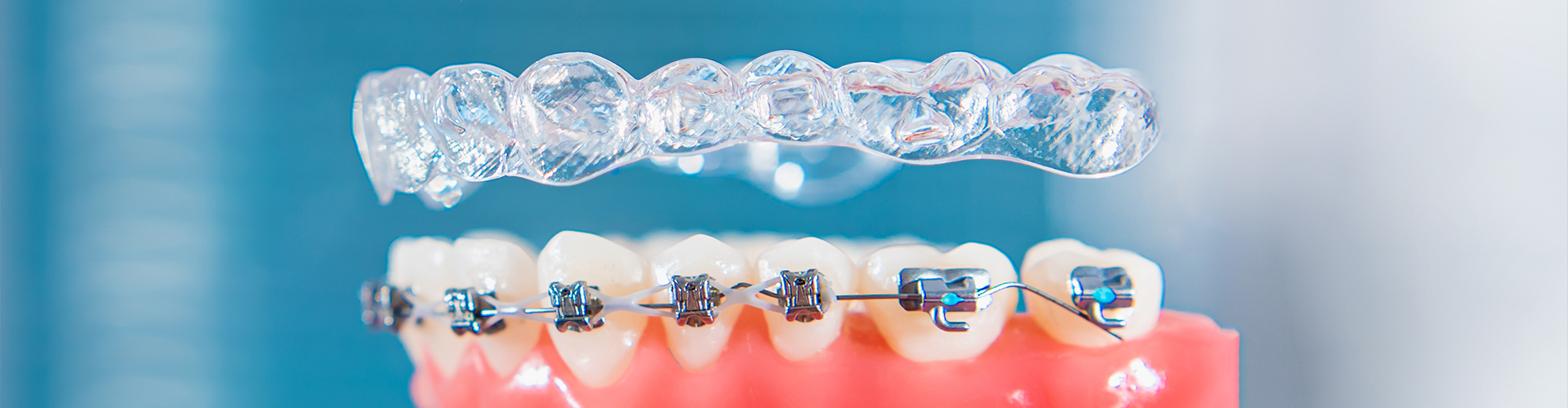
Choosing between Invisalign and braces isn’t just about which one will straighten your teeth. For many people, it comes down to how each option will fit into their daily life, their comfort level, their routines, and even their social habits. If you’re considering orthodontic treatment, it’s important to think beyond the end result and consider what your experience will be like along the way.
At Nu Dentistry Tanglewood, we help patients weigh these lifestyle factors every day. Some are concerned about whether their orthodontic treatment will disrupt their eating habits or affect how they speak at work. Others want to know which option is more comfortable during workouts or whether they can smile confidently in photos while undergoing treatment.
Let’s walk through what you can expect from both Invisalign and braces, so you can make the right decision for your smile and your life.
Comfort is often the first thing people ask about when they’re choosing between braces and Invisalign. And it’s no wonder. After all, you’ll be wearing your orthodontic appliance every day for months—or even years.
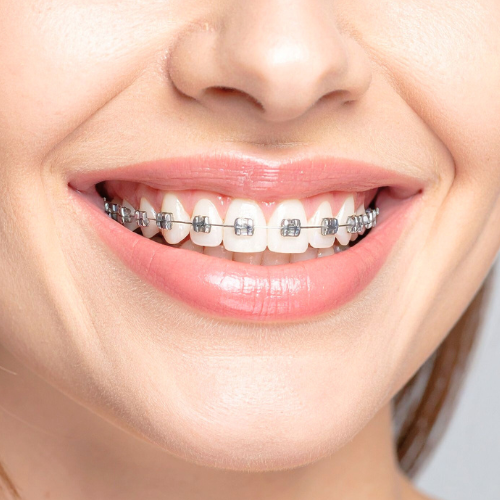
Braces have been around for decades, and today’s versions are much more comfortable than the bulky, metal-heavy models of the past. Modern braces use smaller brackets and more flexible wires, which reduces pressure and minimizes irritation. But that doesn’t mean they’re entirely without discomfort. When you first get your braces or have them tightened, it’s normal to feel soreness for a few days. You might also experience some irritation where the brackets or wires rub against the inside of your cheeks or lips. Orthodontic wax can help with this, but it’s still something to consider.
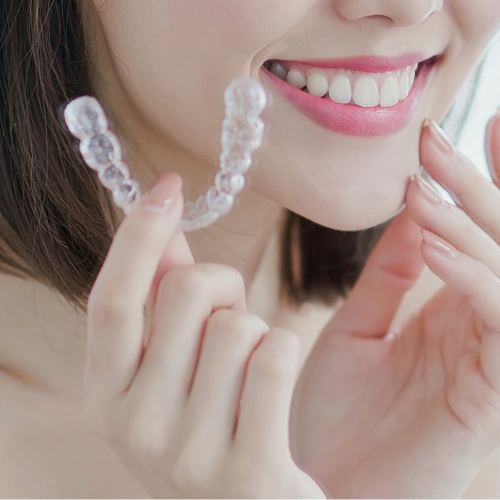
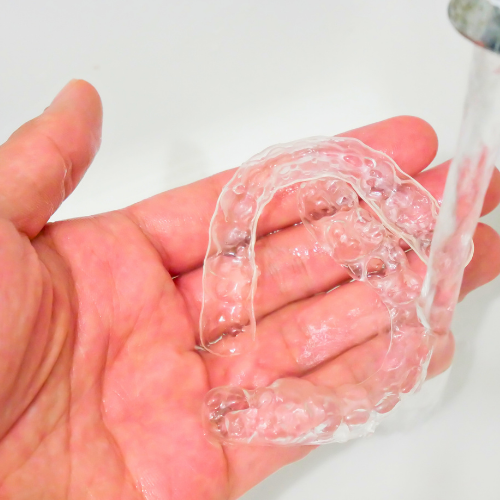
On the other hand, Invisalign aligners are made from smooth, BPA-free plastic and are custom-molded to fit your teeth. Most patients report mild discomfort or pressure when switching to a new set of aligners, but this usually subsides after a day or two. Because Invisalign doesn’t use wires or brackets, there’s no poking or scraping inside your mouth, and the aligners don’t interfere with the soft tissues of your cheeks or lips.
That said, Invisalign aligners do need to fit snugly in order to move your teeth effectively. Some patients notice a tight feeling, especially when starting a new set, but it tends to be less bothersome than the discomfort associated with braces.
If your top priority is reducing day-to-day discomfort, Invisalign generally provides a more comfortable experience. But for those who prefer not to manage removable trays or who may not qualify for Invisalign, braces can still be a manageable and effective option.
Your orthodontic choice will have a direct impact on your everyday activities, from eating meals to giving presentations at work.
With braces, certain foods are off-limits. Sticky candies, popcorn, chewing gum, and hard nuts can damage the brackets or wires. Even foods like apples or raw carrots should be cut into smaller pieces to avoid breaking your braces. Eating with braces also requires extra attention to cleaning, since food particles can easily get trapped around the brackets and wires.
Speaking with braces usually doesn’t present major issues, but some patients notice slight changes in their speech when they first get them. This usually fades as you adjust.
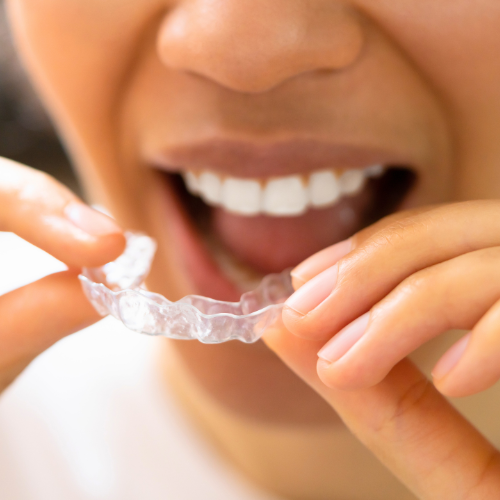
Invisalign, by contrast, gives you the freedom to eat whatever you like because you’ll remove the aligners during meals. There are no dietary restrictions, and maintaining oral hygiene is much easier—you simply brush and floss as you normally would before putting your aligners back in.
However, Invisalign does require discipline. You’ll need to wear your aligners for 20 to 22 hours a day. Forgetting to put them back in after meals or snacks can delay your progress. Some patients also notice a slight lisp when they first start wearing aligners, but this typically resolves within a few days.
If flexibility and freedom in your daily routine are important to you, Invisalign may be the better choice. But if you’re worried about remembering to wear your aligners consistently, braces offer a more set-it-and-forget-it approach.
Whether you’re into sports, music, or public speaking, your orthodontic treatment shouldn’t hold you back from living your life.
For athletes, braces can pose a risk during contact sports. A blow to the mouth could damage the braces or cause cuts inside your cheeks and lips. A well-fitted mouthguard can reduce this risk, but it’s still a consideration. Invisalign aligners, being smooth and removable, generally pose less risk during sports. You can also remove them for high-contact activities if your orthodontist agrees.
For musicians, particularly wind instrument players, braces can require an adjustment period. The brackets and wires can interfere with your embouchure (the way your mouth interacts with the instrument’s mouthpiece). Invisalign aligners may also require an adjustment, but because they can be removed for practice or performances, many musicians find them easier to work with.
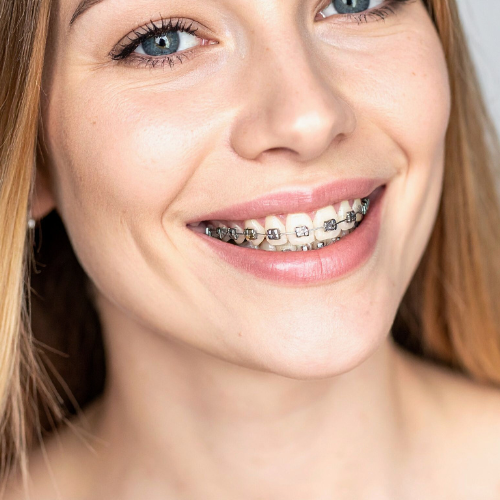
When it comes to special occasions, think of weddings, job interviews, or family photos. Invisalign offers more flexibility. You can temporarily remove the aligners for a short period, allowing you to speak clearly or smile confidently without any visible orthodontic appliance. Braces, once applied, are there until the end of treatment. However, options like clear or ceramic braces can make them less noticeable.
If having the ability to temporarily remove your orthodontic appliance for key moments is important to you, Invisalign offers a clear advantage. But for those who prefer a solution they can forget about day to day, braces still work beautifully.
One often overlooked factor is how your choice will affect your self-image during treatment.
Braces are more visible, which can be a concern for adults or teens who are self-conscious about their appearance. While many younger patients embrace braces as a rite of passage, older teens and adults often prefer more discreet options.
Invisalign’s clear aligners are nearly invisible. Many patients feel more confident wearing them to work, social events, and even on dates because they don’t dramatically change the appearance of their smile during treatment. For people in client-facing jobs or those who speak frequently in public, this can make a big difference in comfort and self-assurance.
Additionally, Invisalign aligners won’t show up noticeably in photos, making them a popular choice for people who have big life events on the horizon—whether that’s a graduation, wedding, or important professional milestone.
Here’s a practical lifestyle consideration that many people don’t think about until they’ve already started treatment.
Braces are a “passive” option. Once your orthodontist places them, they stay on your teeth until your treatment is complete. You’ll still need to follow care instructions and attend regular adjustment appointments, but the braces themselves do most of the work without much daily input from you.
Invisalign requires more responsibility. You’ll need to remember to wear your aligners consistently and to switch to new sets according to your treatment plan. Forgetting to wear them can delay your progress, and frequent aligner removal can lead to setbacks.
If you have a busy or unpredictable schedule and think you might forget to wear or change your aligners, braces might be the better choice. But if you’re organized and committed to following your treatment plan, Invisalign can offer a more flexible and discreet option.
Finally, it’s worth thinking about how your orthodontic choice aligns with your overall lifestyle and goals.
If you value predictability and don’t want to think much about your orthodontic appliance day to day, braces offer a reliable solution. They work continuously without requiring much effort on your part beyond attending appointments and maintaining good oral hygiene.
If you prioritize flexibility, aesthetics, and the ability to remove your appliance when needed, Invisalign may be the better fit. It’s especially appealing to adults who want to maintain a natural appearance or to teens who are concerned about the social aspects of braces.
Both options can deliver excellent results—you just need to decide which one fits better into your life.
Choosing between braces and Invisalign comes down to more than just straightening your teeth. It’s about choosing the option that best fits your comfort preferences, your daily habits, your social life, and your long-term goals.
At Nu Dentistry Tanglewood, we’re here to help you weigh these factors and create a treatment plan that suits not just your teeth but your entire lifestyle. Whether you’re leaning toward braces, Invisalign, or still weighing the pros and cons, we’re ready to answer your questions and guide you through the process.
Your smile should reflect who you are, not just when treatment is finished, but every day along the way.
Ready to take the next step? Schedule your consultation today and let’s find the perfect fit for your smile and your life.
Fresh news from the dental world
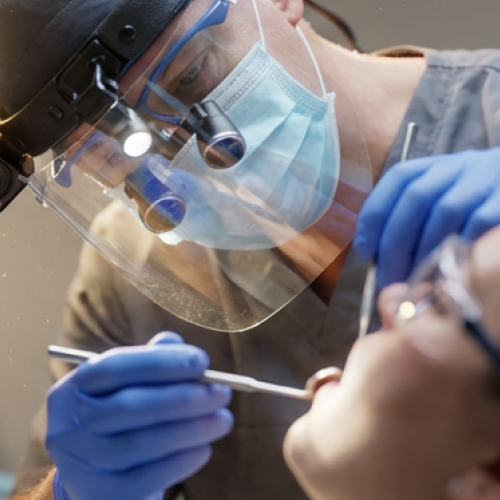
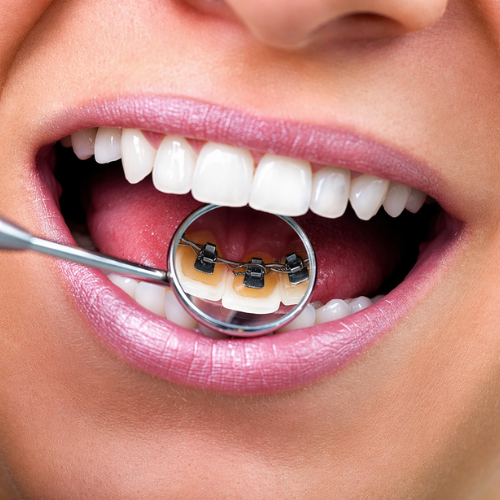
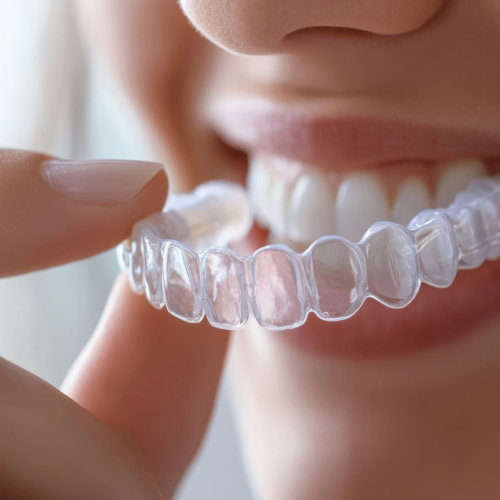
SEE WHAT A VISIT TO OUR MODERN, STATE-OF-THE-ART DENTIST OFFICE IS LIKE!


Monday - Friday 9am - 6pm
Saturday 9am - 3pm
Sunday Closed
Check out what our patients are saying in Houston, TX


“Never Thought I'd Say It”
I never thought I’d say it, but going to the dentist is actually fun now. I recently came in for a root canal, and I got to sit back and catch up on Stranger Things without any pain!

“Anxiety Has Kept Me Away ”
I usually have such huge anxiety when I go to a dentist appointment, which means I always put off visits until the last minute to disastrous consequences. However, Dr. Loggins helped me with sedation, so the entire process was a breeze!

“The Best Dentist In Houston”
We have been looking for a family dentist for a long time. Not too long ago we met Dr. Ali. Not only was he professional, kind, and gentle, but he always finds a way to fit us in when we need an appointment. He’s also pretty funny! I appreciate that he takes the time to explain what he’s doing, before he does it. That really puts me at ease.

“Part Of The Family”
When I come in for an exam, Dr. Alrajab makes me feel like I’m a part of his family. I haven’t had a single cavity or filling done since I started coming here, which is a real change from my last hygienist.
“Never Thought I'd Say It”
I never thought I’d say it, but going to the dentist is actually fun now. I recently came in for a root canal, and I got to sit back and catch up on Stranger Things without any pain!
“Anxiety Has Kept Me Away ”
I usually have such huge anxiety when I go to a dentist appointment, which means I always put off visits until the last minute to disastrous consequences. However, Dr. Loggins helped me with sedation, so the entire process was a breeze!
We are proud members of these dental organizations and accreditations


Check us out and follow our Houston, TX practice on social media...


