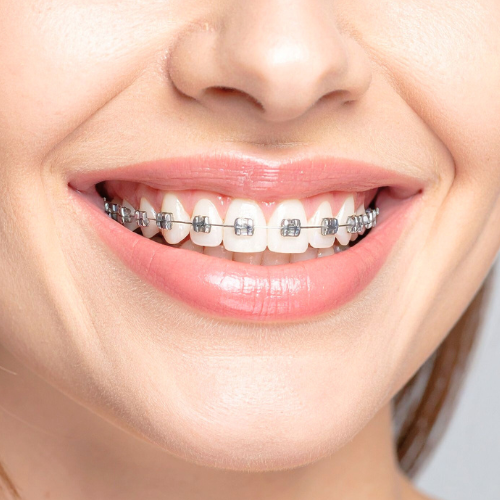
Braces Are a Commitment, Not a Punishment: What to Expect and How to Thrive
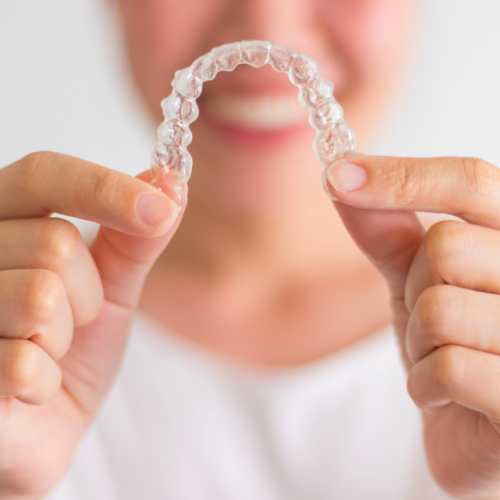
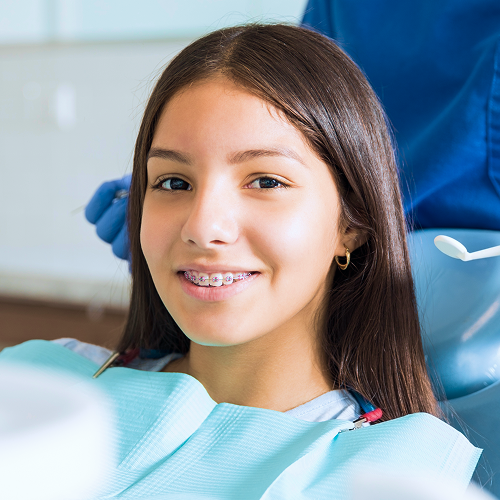
Learn how braces work, what to eat, and what discomfort feels like. Schedule a braces consult at Nu Dentistry Tanglewood.
Read More
Maintaining a healthy mouth is about more than just keeping your smile bright; it's about preserving your overall health and well-being. Periodontal maintenance plays a vital role in this process, especially for individuals who have previously experienced periodontal disease. In this comprehensive guide, we delve into the nuances of periodontal health, examining its impact on general health, the necessary frequency of periodontal cleanings, and addressing common concerns about discomfort during the procedure.
The mouth is not just a pathway for nutrition but also a critical indicator of overall health. Oral health, particularly the state of your gums and teeth, can significantly influence your body's general condition. Poor oral hygiene can lead to periodontal disease, a serious gum infection that damages the soft tissue and, without treatment, can destroy the bone supporting your teeth. This condition is not just about receding gums or tooth loss; it has far-reaching implications for your entire body.
Periodontal disease has been linked to a plethora of systemic health issues. For instance, there is a well-documented association between periodontal disease and cardiovascular health. The inflammation caused by gum disease can contribute to the buildup of plaque in the arteries, leading to atherosclerosis, a condition characterized by the hardening and narrowing of arteries. This can increase the risk of heart attack and stroke. The bacteria from inflamed gums can also travel through the bloodstream, causing infections and inflammation in other parts of the body, further exacerbating heart conditions.
Moreover, periodontal disease can have a profound impact on blood sugar control, making it a significant concern for individuals with diabetes. Diabetics with periodontal disease often find it more challenging to manage their blood sugar levels. Inflammation in the oral cavity can lead to increased insulin resistance, which can escalate the severity of diabetes. Regular periodontal maintenance can help manage this condition more effectively, illustrating the critical role oral health plays in diabetes management.
Respiratory diseases are another health concern connected to poor oral health. Bacteria from the mouth can be inhaled into the lungs or travel there through the bloodstream, leading to respiratory infections, pneumonia, or exacerbation of existing conditions like chronic obstructive pulmonary disease (COPD). Maintaining good oral hygiene and undergoing regular periodontal maintenance can reduce the risk of these bacteria causing harm to the respiratory system.
Additionally, emerging research suggests a potential link between periodontal disease and other conditions like Alzheimer's disease and certain types of cancer, further emphasizing the need for diligent oral care. Chronic inflammation in the mouth can act as a catalyst for the development of these diseases, showcasing how systemic health is intricately tied to oral health.
In light of these connections, it becomes clear that maintaining oral health is not just about preventing tooth decay and gum disease; it's about safeguarding your overall health. Regular periodontal maintenance is essential to control the progression of periodontal disease and to mitigate its impact on the body's health. By adhering to a schedule of professional cleanings and check-ups, you can protect not only your oral health but also your overall well-being.
Determining the ideal frequency for periodontal maintenance requires a personalized approach, as individual risk factors play a crucial role. For those with a history of periodontal disease, more frequent visits are necessary due to the increased risk of disease recurrence. While the typical recommendation is every three to four months, some patients may require more frequent visits, especially if they exhibit signs of active periodontal disease or possess risk factors like smoking, diabetes, or a genetic predisposition to gum disease.
The rationale behind the frequent maintenance schedule lies in the nature of periodontal disease itself. Periodontal disease is chronic and can be managed but not completely cured. Plaque and tartar, the primary culprits behind gum disease, can start to reaccumulate soon after professional cleaning. Regular maintenance helps control these deposits and reduces the likelihood of inflammation and subsequent bone and tissue damage.
During a periodontal maintenance visit, the dental professional conducts a comprehensive examination of the gum tissue, checking for signs of pocket depth increases, changes in attachment levels, and signs of inflammation or bleeding. The cleaning process during these visits is more intensive than a standard dental cleaning and is tailored to the needs of patients with a history of periodontal disease. It involves scaling and root planing, where the dentist or hygienist removes plaque and tartar from above and below the gum line and smooths the roots to help prevent bacteria from adhering.
These maintenance appointments also provide an opportunity for the dental team to assess the effectiveness of the patient’s home care practices and to make recommendations for improvements if necessary. They can offer personalized advice on brushing and flossing techniques, as well as suggest products that can help maintain oral health.
Furthermore, periodontal maintenance visits are a time to assess other dental health issues that may impact or be impacted by the condition of the gums, such as misalignments, the condition of restorations, and the presence of new cavities. They allow for a proactive approach to dental health, enabling issues to be addressed before they escalate into more serious problems.
In conclusion, the frequency of periodontal maintenance is a critical factor in managing periodontal health and requires a customized plan based on individual risk factors and the history of periodontal disease. These regular check-ups and cleanings are essential for maintaining oral health, preventing the progression of gum disease, and ensuring the longevity of the teeth and gums.
One common concern is whether periodontal cleaning, or scaling and root planing, is painful. While the procedure involves cleaning the pockets of the gum to remove plaque and tartar buildup, most patients experience minimal discomfort. Dental professionals use local anesthesia to numb the area, ensuring a pain-free experience. Additionally, advancements in dental technology have made these procedures more comfortable and less invasive than in the past.
Post-procedure, some patients may experience slight tenderness or sensitivity, which typically subsides within a few days. Your dental team will provide aftercare instructions and recommendations to alleviate any discomfort and promote healing.
Maintaining your periodontal health is a critical part of preserving your overall well-being. Regular periodontal maintenance can prevent the recurrence of gum disease, help manage existing conditions, and contribute to a healthier body. At Nu Dentistry Houston, we are committed to providing personalized and compassionate care to ensure your oral health is in optimal condition. Don't wait until it's too late; schedule your periodontal maintenance appointment with us today and take a proactive step towards a healthier life.
Fresh news from the dental world



SEE WHAT A VISIT TO OUR MODERN, STATE-OF-THE-ART DENTIST OFFICE IS LIKE!


Monday - Friday 9am - 6pm
Saturday 9am - 3pm
Sunday Closed
Check out what our patients are saying in Houston, TX


“Never Thought I'd Say It”
I never thought I’d say it, but going to the dentist is actually fun now. I recently came in for a root canal, and I got to sit back and catch up on Stranger Things without any pain!

“Anxiety Has Kept Me Away ”
I usually have such huge anxiety when I go to a dentist appointment, which means I always put off visits until the last minute to disastrous consequences. However, Dr. Loggins helped me with sedation, so the entire process was a breeze!

“The Best Dentist In Houston”
We have been looking for a family dentist for a long time. Not too long ago we met Dr. Ali. Not only was he professional, kind, and gentle, but he always finds a way to fit us in when we need an appointment. He’s also pretty funny! I appreciate that he takes the time to explain what he’s doing, before he does it. That really puts me at ease.

“Part Of The Family”
When I come in for an exam, Dr. Alrajab makes me feel like I’m a part of his family. I haven’t had a single cavity or filling done since I started coming here, which is a real change from my last hygienist.
“Never Thought I'd Say It”
I never thought I’d say it, but going to the dentist is actually fun now. I recently came in for a root canal, and I got to sit back and catch up on Stranger Things without any pain!
“Anxiety Has Kept Me Away ”
I usually have such huge anxiety when I go to a dentist appointment, which means I always put off visits until the last minute to disastrous consequences. However, Dr. Loggins helped me with sedation, so the entire process was a breeze!
We are proud members of these dental organizations and accreditations


Check us out and follow our Houston, TX practice on social media...


