When it comes to dental crowns, the choice between porcelain and zirconia is not just about aesthetics; it's about finding the right fit for your lifestyle, budget, and dental health needs. Both materials are popular for restoring damaged teeth or enhancing cosmetic appearances, but they come with distinct properties and benefits. In this blog, we’ll break down the differences between porcelain and zirconia crowns to help you make an informed decision.
What are Porcelain Crowns?
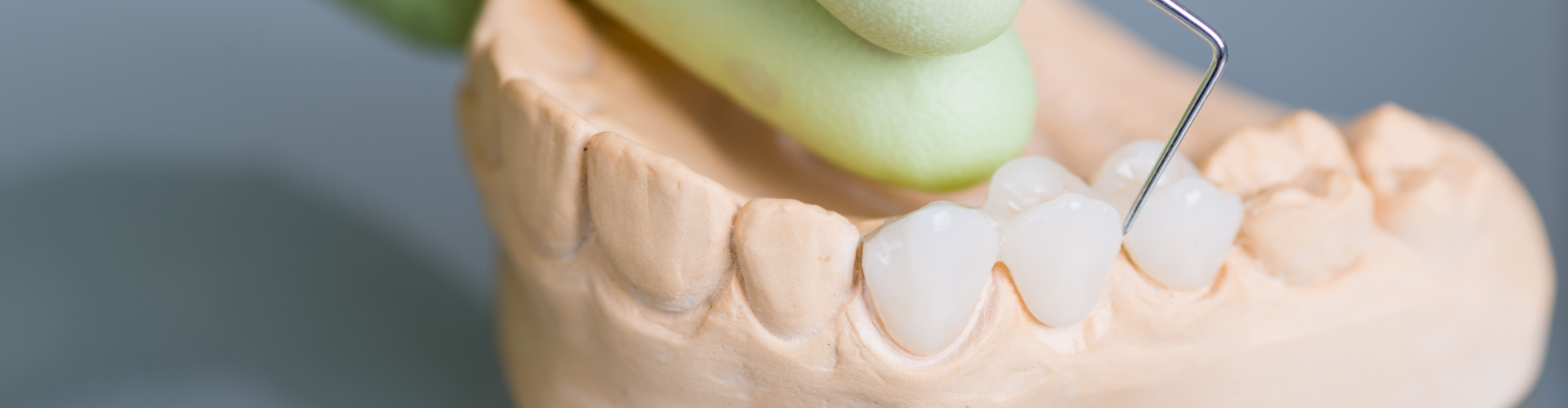
Porcelain crowns have long been celebrated in cosmetic dentistry for their remarkable ability to replicate the natural look and feel of tooth enamel. These crowns are primarily made from ceramic materials, which are both durable and aesthetically pleasing. Their translucency closely matches that of natural teeth, making them an excellent choice for treatments involving front teeth, where a cosmetic match is crucial.
Indications for Porcelain Crowns:
- Cosmetic Enhancement: These crowns are especially valuable in front teeth restoration where the cosmetic requirement is high. They are designed to blend seamlessly with the natural color and texture of your teeth, enhancing your smile while maintaining a natural look.
- Restoration of Moderately Damaged Teeth: Porcelain crowns are perfect for teeth that have suffered moderate damage, such as from decay or fractures. They provide a robust protective cover, restoring the functionality of the tooth while offering a cosmetic solution that does not require the extensive restructuring needed for more severe cases.
- Allergies to Metals: For patients who are allergic to metals used in other types of crowns, porcelain offers a hypoallergenic alternative that avoids the risk of allergic reactions, making it a safe and comfortable choice.
Pros of Porcelain Crowns:
- Natural Appearance: The crowns are custom-made to match the color and translucency of your natural teeth, making them virtually indistinguishable from your original teeth. This makes them particularly suitable for the visible areas of your smile.
- Biocompatibility: Porcelain is well-tolerated by the body, which means it does not irritate the gums or the surrounding tissues. This property ensures that porcelain crowns integrate smoothly without adverse reactions, maintaining the health of your gum tissue.
Cons of Porcelain Crowns:
- Fragility: Despite advancements in dental ceramics, porcelain crowns are still less tough than their metal or zirconia counterparts. They can be susceptible to chipping or cracking if exposed to excessive force, such as that from teeth grinding or biting into very hard foods.
- Wear on Opposing Teeth: Porcelain is harder than the natural enamel found on other teeth. As a result, these crowns can cause more wear and tear on opposing teeth than other types of crowns, particularly if not precisely adjusted.
Porcelain crowns remain a popular choice for many patients due to their superior aesthetic qualities and effectiveness in restoring tooth functionality. They are an excellent option for those who value a natural-looking smile and are particularly concerned with the appearance of their teeth. By choosing porcelain crowns, patients benefit from a long-term solution that enhances their oral health while boosting their confidence with a radiant, natural smile.
What are Zirconia Crowns?
Zirconia crowns are a cutting-edge option in the field of dental prosthetics, introduced as a formidable alternative to traditional materials due to their robustness and aesthetic quality. Made from zirconium dioxide, a highly durable type of ceramic, these crowns are noted for their exceptional strength that rivals that of metal crowns, yet they possess a visual finesse akin to porcelain crowns.
Indications for Zirconia Crowns:
- Heavy Bite Loads: Zirconia crowns are particularly effective for back teeth, such as molars, which bear the brunt of chewing forces. Their ability to withstand significant mechanical stress makes them an optimal choice for these areas.
- Large Fillings or Extensive Damage: For teeth that have undergone substantial structural loss due to decay or damage, zirconia crowns provide the necessary support and durability. Their robust nature ensures the integrity of the crown even in cases of extensive dental repair.
- Longevity: Patients seeking a long-term solution for dental restoration find zirconia crowns appealing due to their durability and resistance to wear. These crowns are designed to last many years, maintaining their structural integrity and appearance with minimal maintenance.
Pros of Zirconia Crowns:
- Durability: Zirconia is virtually indestructible under normal oral conditions, making it an excellent choice for both anterior and posterior crowns. It is highly resistant to chipping and cracking, which contributes to its longevity and reliability.
- Aesthetic and Strength: Zirconia crowns offer a brighter whiteness compared to porcelain-fused-to-metal alternatives and are free from metallic discoloration at the gum line. This makes them aesthetically pleasing while providing the necessary strength for dental restoration.
- Less Tooth Removal: When preparing a tooth for a crown, zirconia requires less removal of the natural tooth structure compared to other materials. This conservative approach helps preserve more of the natural tooth, which is beneficial for long-term dental health.
Cons of Zirconia Crowns:
- Aesthetics: Although zirconia crowns are aesthetically advanced, achieving the level of translucency that mimics natural tooth enamel can be challenging. They might not completely replicate the light-reflecting qualities of natural teeth, which is sometimes noticeable, particularly in the anterior teeth.
- Toughness on Adjacent Teeth: The strength of zirconia, while a significant advantage, also poses a risk of abrasion to opposing teeth. Without precise adjustments, zirconia crowns can lead to accelerated wear on the natural teeth they interact with.
Zirconia crowns represent a significant advancement in dental crown technology, combining strength, durability, and a more appealing appearance compared to many traditional materials. They are suitable for patients who prioritize a balance of aesthetic appeal and functionality in their dental restoration choices. With proper care and maintenance, zirconia crowns can significantly enhance oral health and the aesthetic quality of one's smile for many years.
Making Your Choice
Choosing the right type of dental crown—whether porcelain or zirconia—requires careful consideration of several factors, primarily focusing on the tooth's location, aesthetic expectations, and the need for durability and strength.
Location of the Tooth
The position of the tooth in your mouth plays a pivotal role in determining the type of crown you should choose. For teeth that are highly visible, such as your front teeth, porcelain crowns are often recommended. Their ability to mimic the natural translucency and color of your teeth allows for a more seamless integration into your smile. They excel in the front of the mouth where aesthetic considerations are most critical.
In contrast, zirconia crowns are typically better suited for teeth that are subjected to greater mechanical stress, such as your molars. The back teeth experience significant forces during chewing and require a material that can withstand this pressure without fracturing. Zirconia, known for its impressive strength and resistance to wear, makes an excellent choice for these areas.
Desired Aesthetic Result
If your primary concern is having a crown that is indistinguishable from your natural teeth, porcelain is often the best choice. The material's ability to blend with the color and texture of your existing teeth means it can achieve an optimal aesthetic result. Porcelain crowns are ideal for those who are particularly concerned about the appearance of their teeth and want the most natural-looking option.
However, advancements in dental technology have significantly improved the appearance of zirconia crowns. Modern zirconia can now be crafted to closely match the color of your teeth, and although it might not achieve the same level of translucency as porcelain, it is a much stronger material. This makes zirconia a suitable option for patients who need a balance between aesthetics and functionality.
Need for Durability and Strength
Durability is another critical factor to consider when selecting a crown. Porcelain, while beautiful, is more brittle and susceptible to chipping compared to zirconia. This makes it less ideal for patients who have habits such as teeth grinding, or who require a crown on a tooth that endures a lot of use, such as a molar.
Zirconia crowns are highly durable and are resistant to chipping and cracking. They are designed to last many years, even under the stress of heavy biting and chewing. This makes them an ideal choice for anyone looking for a long-term solution for their dental needs.
Conclusion
Deciding on the right type of dental crown can significantly impact your oral health and self-confidence. Whether you lean towards the aesthetic finesse of porcelain or the unmatched strength of zirconia, the important thing is to make an informed choice that aligns with your dental needs and lifestyle.
Ready to discuss which crown is right for you? Our expert team is ready to guide you through the options and help restore your beautiful smile. Visit our website to book your consultation and take the first step towards a healthier, more radiant smile.