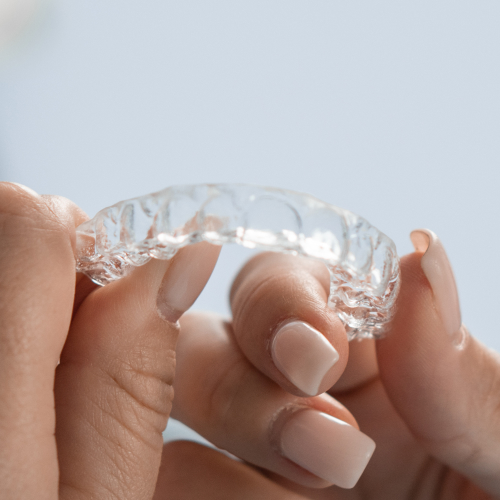
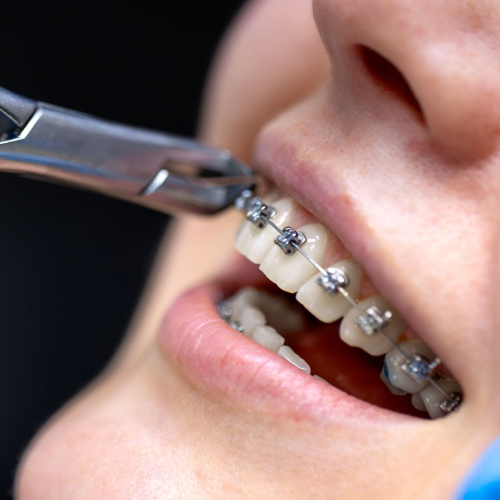
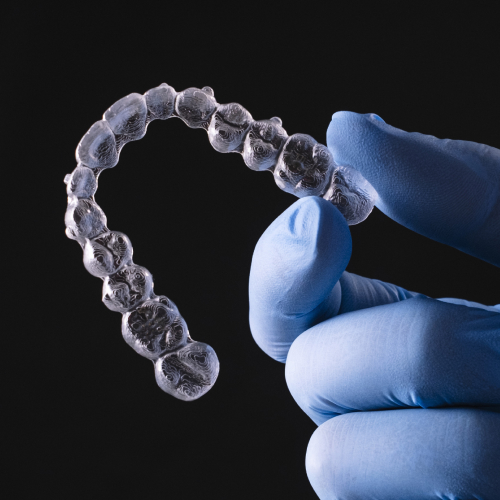
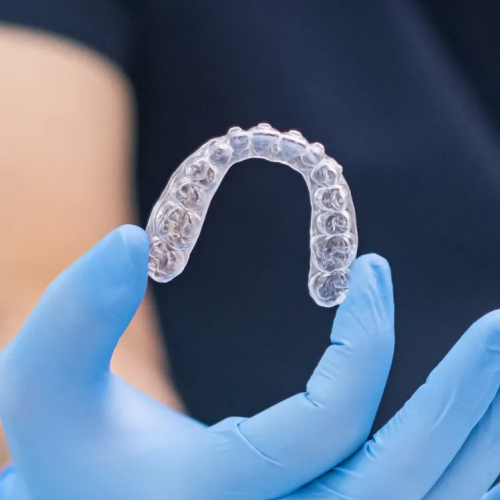
Spark vs. Invisalign vs. Ceramic Braces: What Houston Patients Need to Know
Comparing Spark vs. Invisalign vs. ceramic braces in Houston? Discover costs, benefits, and which orthodontic treatment is best for your smile. Book today!
Read More
In the realm of cosmetic dentistry, dental bonding stands out as a versatile and effective treatment, offering a blend of aesthetic appeal and oral health benefits. This blog will explore the intricacies of dental bonding, examining its cost, longevity, and effects on your teeth, ultimately guiding you to make an informed decision about your dental care.
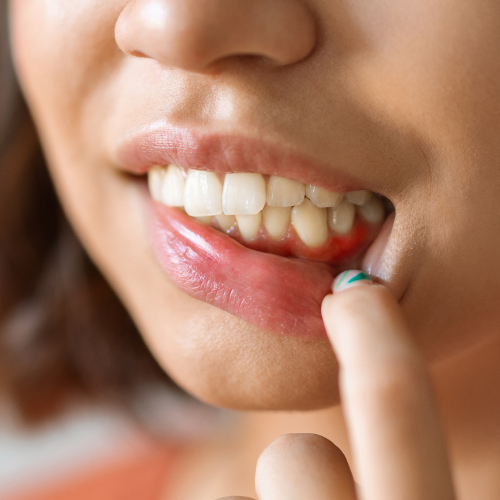
Dental bonding, a cornerstone in the field of cosmetic dentistry, involves the artful application of a tooth-colored resin material. This resin, carefully matched to the natural shade of your teeth, is skillfully applied by a dentist to enhance the aesthetic appeal of your smile. The process typically includes shaping the resin to correct imperfections in the tooth's shape, size, color, or length, followed by the use of a special light that hardens and bonds the material to the tooth's surface.
The transformative effect of dental bonding is immediate and noticeable. It's commonly used for rectifying dental issues such as chipped or cracked teeth, discolored teeth, gaps between teeth, or making teeth appear longer and more uniform. The procedure is not just about aesthetics; it also contributes to improving oral health by protecting exposed parts of the tooth's root or by filling in chips that could potentially harbor bacteria.
When it comes to the cost of dental bonding, it's important to understand that it varies based on a range of factors. These include the complexity of your specific dental needs, the number of teeth that require bonding, the expertise of the dental professional, and the geographic location of the dental practice. For instance, a straightforward bonding procedure for a single tooth in a small town might cost significantly less than a more complex treatment involving multiple teeth in a major city.
In comparison to other cosmetic dental procedures such as veneers or crowns, dental bonding is often seen as a more accessible and budget-friendly option. While veneers and crowns involve more extensive preparation of the tooth structure and the use of laboratory-made restorations, dental bonding is typically a simpler, less invasive procedure that can be completed in a single visit. This not only makes it a more convenient choice for patients but also a more cost-effective one.
It's also worth noting that the cost of dental bonding may be influenced by the longevity and durability of the materials used. The advancements in dental materials have significantly enhanced the strength and appearance of bonding resins, contributing to better and longer-lasting results.
Given the personalized nature of dental bonding, the best way to get an accurate estimate of the cost is through a consultation with a dental professional. They can provide a tailored assessment based on your specific dental condition and aesthetic goals.
When considering dental bonding as a cosmetic solution for enhancing your smile, one critical aspect to ponder is its longevity. The durability of dental bonding is not just a matter of time but is also influenced by a confluence of factors ranging from personal habits to professional maintenance.
Typically, the lifespan of dental bonding materials can range between 4 to 8 years. However, this time-frame is not set in stone and can vary significantly based on several key factors:
Personal Oral Habits
Your daily oral habits play a pivotal role in determining how long your dental bonding will last. Actions such as biting nails, chewing on pens, or opening packages with your teeth exert undue stress on the bonded material, potentially leading to chipping or premature wear. Similarly, habits like chewing on ice or hard candies can also jeopardize the integrity of the bonding.
Location of the Bonded Teeth
The position of the bonded teeth within your mouth can influence the longevity of the procedure. Bonding on teeth that are heavily used for biting and chewing, like molars, may undergo more wear and tear compared to those on the front teeth, which are less involved in these activities.
Oral Hygiene Practices
Maintaining excellent oral hygiene is vital for prolonging the life of dental bonding. Regular brushing and flossing help prevent the accumulation of plaque and tartar, which can compromise the bonding material. Neglecting oral hygiene can lead to decay around the bonded area, thereby reducing the bonding's effectiveness and lifespan.
Professional Dental Care
Regular dental check-ups are crucial for extending the durability of dental bonding. During these visits, your dentist can monitor the condition of the bonding, address any early signs of wear or damage, and perform professional cleanings that help preserve the bonding material's integrity.
Quality of the Bonding Material
Advancements in dental technology have led to the development of more robust and durable bonding materials. The quality of the resin used in your dental bonding procedure can significantly impact its lifespan. Higher-quality materials tend to withstand wear and tear better, offering a longer-lasting solution.
Dietary Choices
Your diet can also impact the longevity of dental bonding. Foods and beverages that are high in acids or sugars can erode the bonding material over time. Additionally, consuming foods with intense color pigments, like coffee, tea, or red wine, can stain the resin, affecting its appearance.
While the average lifespan of dental bonding ranges from 4 to 8 years, this duration can be maximized by adopting healthy oral habits, maintaining diligent oral hygiene, attending regular dental check-ups, and being mindful of your dietary choices. By understanding and addressing these factors, you can enjoy a longer-lasting, beautiful smile with dental bonding.
One common concern is whether dental bonding can negatively affect the health of your teeth. The good news is that bonding is generally safe and does not harm your natural teeth. The procedure involves minimal alteration of the tooth enamel, and the resin used is biocompatible, posing no risk to your oral health. However, it's crucial to maintain good oral hygiene and regular dental visits to ensure the longevity and effectiveness of the bonding.
Dental bonding is an excellent choice for those looking to improve their smile without invasive procedures. Its affordability, durability, and safety make it a popular option among patients seeking cosmetic dental enhancements. If you're considering dental bonding, our dental office is equipped with the expertise and technology to provide you with the best care.
Ready to transform your smile with dental bonding? Schedule an appointment with us today and take the first step towards a brighter, more confident smile.
Fresh news from the dental world

SEE WHAT A VISIT TO OUR MODERN, STATE-OF-THE-ART DENTIST OFFICE IS LIKE!
Monday - Friday 9am - 6pm
Saturday 9am - 3pm
Sunday Closed
Check out what our patients are saying in Houston, TX


“Never Thought I'd Say It”
I never thought I’d say it, but going to the dentist is actually fun now. I recently came in for a root canal, and I got to sit back and catch up on Stranger Things without any pain!

“Anxiety Has Kept Me Away ”
I usually have such huge anxiety when I go to a dentist appointment, which means I always put off visits until the last minute to disastrous consequences. However, Dr. Loggins helped me with sedation, so the entire process was a breeze!

“The Best Dentist In Houston”
We have been looking for a family dentist for a long time. Not too long ago we met Dr. Ali. Not only was he professional, kind, and gentle, but he always finds a way to fit us in when we need an appointment. He’s also pretty funny! I appreciate that he takes the time to explain what he’s doing, before he does it. That really puts me at ease.

“Part Of The Family”
When I come in for an exam, Dr. Alrajab makes me feel like I’m a part of his family. I haven’t had a single cavity or filling done since I started coming here, which is a real change from my last hygienist.
“Never Thought I'd Say It”
I never thought I’d say it, but going to the dentist is actually fun now. I recently came in for a root canal, and I got to sit back and catch up on Stranger Things without any pain!
“Anxiety Has Kept Me Away ”
I usually have such huge anxiety when I go to a dentist appointment, which means I always put off visits until the last minute to disastrous consequences. However, Dr. Loggins helped me with sedation, so the entire process was a breeze!
We are proud members of these dental organizations and accreditations


Check us out and follow our Houston, TX practice on social media...


