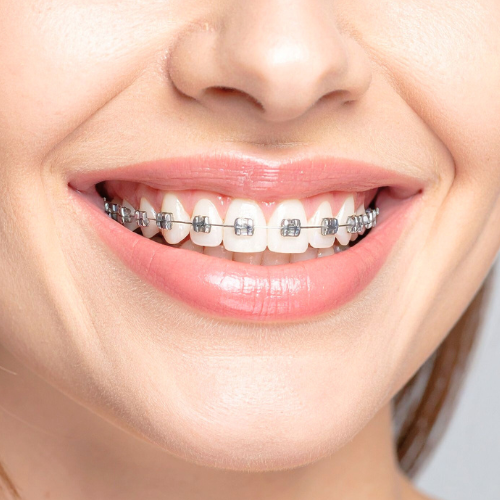
Braces Are a Commitment, Not a Punishment: What to Expect and How to Thrive
Learn how braces work, what to eat, and what discomfort feels like. Schedule a braces consult at Nu Dentistry Tanglewood.
Read More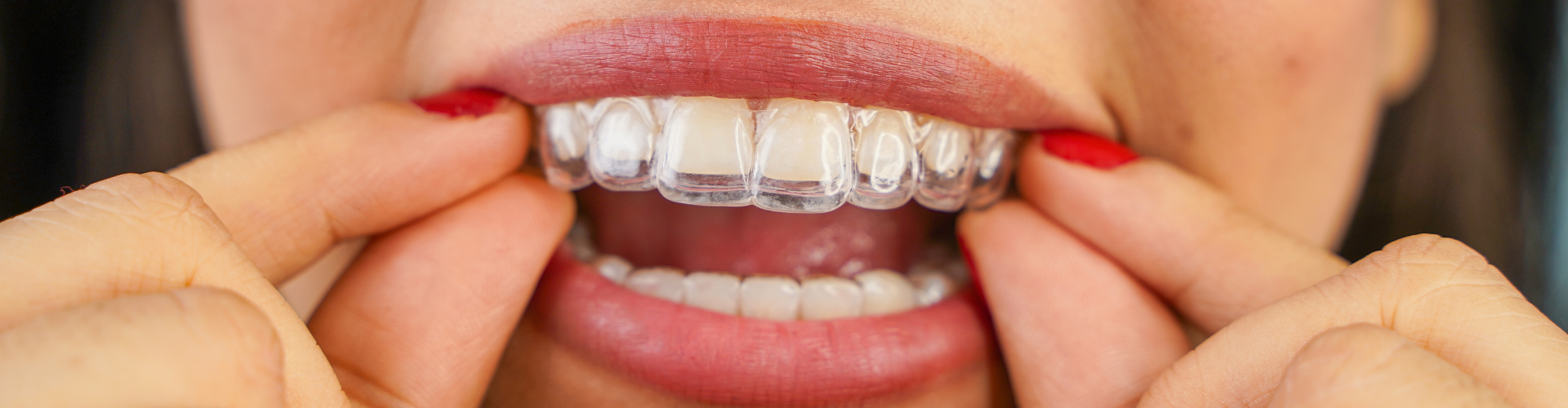
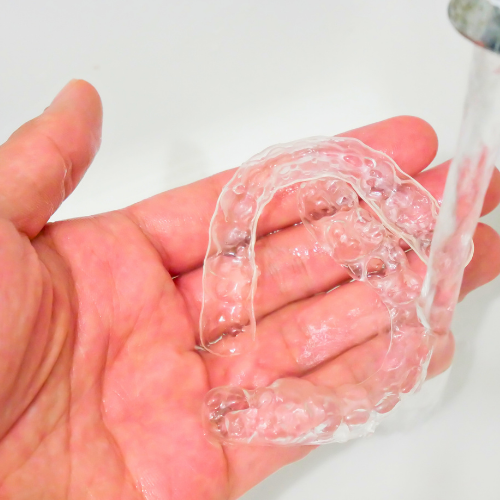
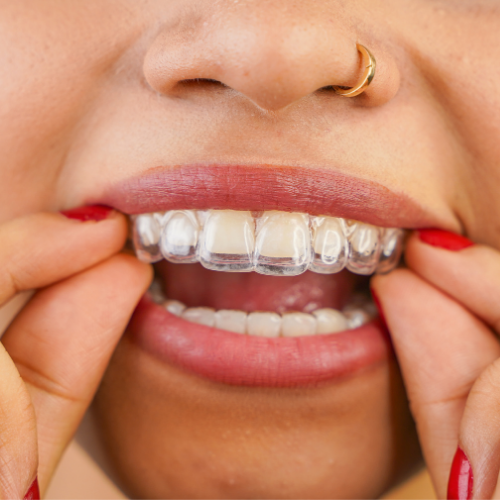
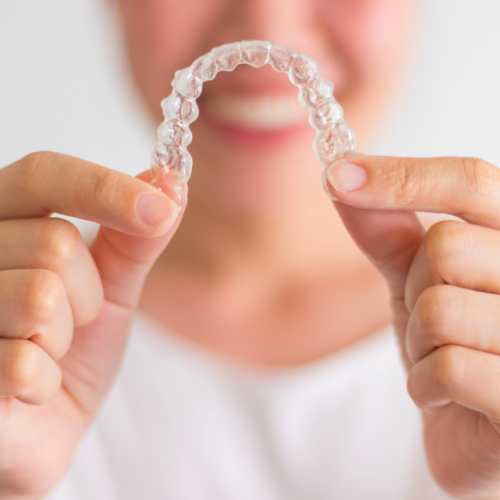
Invisalign has a reputation for being the more flexible, lifestyle friendly way to straighten teeth. The clear aligners are discreet, removable, and designed to fit into real life rather than forcing you to work around them. Still, anyone who has worn Invisalign or considered it knows that the experience can vary widely from person to person.
Some patients glide through treatment and finish right on schedule. Others feel like progress is slower than expected or that certain parts of daily life suddenly require more thought. The truth is that Invisalign is not just about the aligners themselves. Your results and your experience are shaped by a mix of biology, habits, consistency, and professional guidance.
At Nu Dentistry Tanglewood, we spend a lot of time helping patients understand what actually matters during Invisalign treatment. This article looks beyond surface level explanations to explore what really influences how Invisalign fits into your life and how well it works for your smile.
One of the biggest reasons people choose Invisalign is how seamlessly it can blend into everyday routines. Unlike braces, Invisalign is designed to work quietly in the background while you go about your normal life.
Here are some of the biggest ways Invisalign changes daily life compared to braces:
Daily life with Invisalign often feels more flexible and comfortable than life with braces. The trade off is responsibility. Invisalign gives you freedom, but it also asks for consistency in return.
Invisalign is highly effective, but it is not a one size fits all experience. Several factors influence how predictably and efficiently your teeth move during treatment.
These are the most important elements that shape Invisalign results:
1. The starting condition of your teeth and bite: Mild to moderate crowding or spacing often responds very smoothly to Invisalign. More complex issues such as significant bite misalignment or rotated teeth can still be treated, but they may require longer timelines or refinements.
2. Bone biology and age: Tooth movement depends on how your jawbone remodels over time. Younger patients often experience faster movement because bone tends to respond more quickly. Adults can achieve excellent results as well, but movement may occur more gradually.
3. Precision of the treatment plan: Invisalign success depends heavily on how well your treatment is planned from the beginning. Digital scans, accurate impressions, and thoughtful staging all matter. At Nu Dentistry Tanglewood, careful planning allows aligners to apply the right pressure at the right time.
4. Use of attachments: Small tooth colored attachments may be placed on certain teeth to help aligners grip and guide movement. While they are subtle, they play a major role in achieving precise results, especially for rotations or vertical movement.
5. Consistency of wear: Aligners are designed to be worn 20 to 22 hours per day. Wearing them less than recommended reduces the effectiveness of each tray and can slow or disrupt progress.
Invisalign works best when biology, planning, and patient habits are aligned. When one of these elements is off, treatment may require adjustments to stay on track.
Daily habits often make the biggest difference in how Invisalign feels and how long treatment takes. Small choices repeated every day add up over months of aligner wear.
Habits that support smoother and faster progress include:
Habits that can slow progress include:
Invisalign responds very well to structure. Patients who build aligner wear into their daily routine often experience smoother progress and fewer surprises.
Invisalign is generally more comfortable than braces, but that does not mean it is completely pain free. Mild pressure or soreness is common when switching to a new set of aligners.
This pressure is a sign that the aligners are working. It usually fades within a few days as teeth adjust. Over time, many patients report that their mouth adapts and new aligners feel easier than the first few trays.
Helpful tips during adjustment periods include:
Discomfort should never feel sharp or extreme. If it does, your dentist should evaluate the fit and progression.
Straightening your teeth is not just a physical process. It often comes with emotional shifts as well.
Many patients notice increased confidence early in treatment, even before major changes are visible. Others feel more aware of their smile and habits at first, especially during the adjustment phase.
There may also be moments of impatience. Invisalign works gradually, and progress can feel slow if you check daily. Taking monthly photos or trusting scheduled check ins often gives a better sense of how far you have come.
By the end of treatment, most patients report that Invisalign felt more manageable than they expected and well worth the commitment.
Even with excellent habits, Invisalign requires professional oversight. Teeth do not always move exactly as predicted, and small refinements can make a big difference in the final result.
Regular check ins allow your dentist to:
At Nu Dentistry Tanglewood, Invisalign treatment is never treated as a set it and forget it process. Ongoing care ensures your smile develops safely, comfortably, and as planned.
Invisalign is most successful when it becomes part of your routine rather than something you constantly think about. When worn consistently and supported by professional care, it offers a flexible and effective path to a straighter smile.
Your experience is shaped by daily habits, biology, planning, and support. Understanding these factors from the beginning sets realistic expectations and leads to better outcomes.
If you are considering Invisalign or want to learn whether it is the right fit for your smile, the team at Nu Dentistry Tanglewood is here to help. We take the time to understand your goals, your lifestyle, and your dental health before creating a personalized plan.
Fresh news from the dental world

SEE WHAT A VISIT TO OUR MODERN, STATE-OF-THE-ART DENTIST OFFICE IS LIKE!


Monday - Friday 9am - 6pm
Saturday 9am - 3pm
Sunday Closed
Check out what our patients are saying in Houston, TX


“Never Thought I'd Say It”
I never thought I’d say it, but going to the dentist is actually fun now. I recently came in for a root canal, and I got to sit back and catch up on Stranger Things without any pain!

“Anxiety Has Kept Me Away ”
I usually have such huge anxiety when I go to a dentist appointment, which means I always put off visits until the last minute to disastrous consequences. However, Dr. Loggins helped me with sedation, so the entire process was a breeze!

“The Best Dentist In Houston”
We have been looking for a family dentist for a long time. Not too long ago we met Dr. Ali. Not only was he professional, kind, and gentle, but he always finds a way to fit us in when we need an appointment. He’s also pretty funny! I appreciate that he takes the time to explain what he’s doing, before he does it. That really puts me at ease.

“Part Of The Family”
When I come in for an exam, Dr. Alrajab makes me feel like I’m a part of his family. I haven’t had a single cavity or filling done since I started coming here, which is a real change from my last hygienist.
“Never Thought I'd Say It”
I never thought I’d say it, but going to the dentist is actually fun now. I recently came in for a root canal, and I got to sit back and catch up on Stranger Things without any pain!
“Anxiety Has Kept Me Away ”
I usually have such huge anxiety when I go to a dentist appointment, which means I always put off visits until the last minute to disastrous consequences. However, Dr. Loggins helped me with sedation, so the entire process was a breeze!
We are proud members of these dental organizations and accreditations


Check us out and follow our Houston, TX practice on social media...


