
Dental Implants in Houston: What Actually Determines Long-Term Success
Considering dental implants in Houston? Learn what determines long-term success: bone foundation, materials, and surgical planning. Book a consultation at Nu Dentistry.
Read More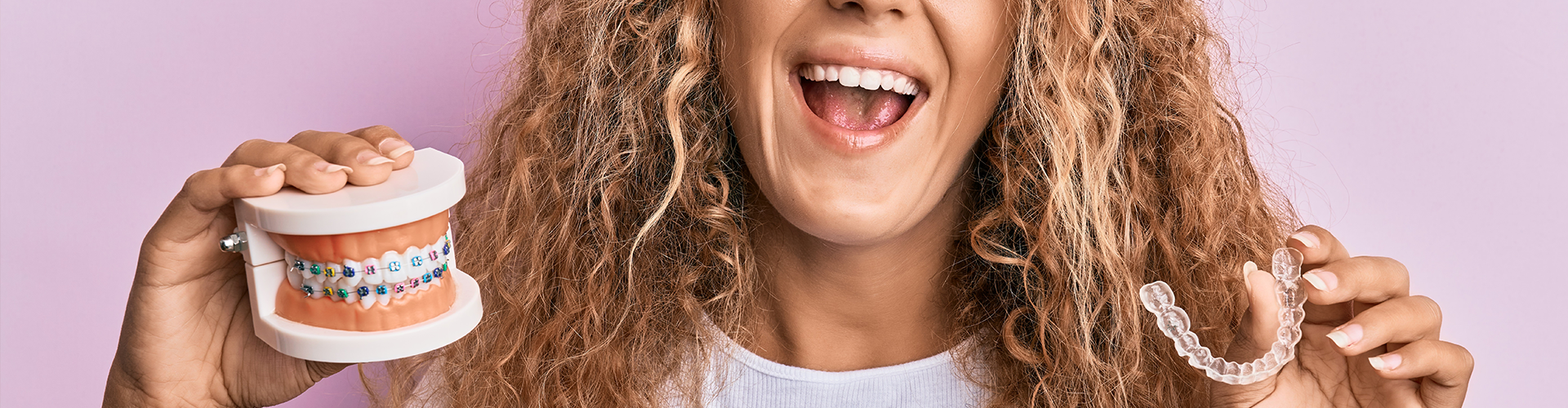
Orthodontics is more than just achieving a straight smile. With advancements in dental technology, there are various types of orthodontic appliances available to meet individual needs and preferences. In this blog, we will delve into the different types of orthodontic appliances, explore the various kinds of braces, and help you determine which option might be best for you.
Orthodontic appliances are devices used to correct dental irregularities, including misaligned teeth and jaw discrepancies. Here, we explore the various types of orthodontic appliances and their unique benefits.
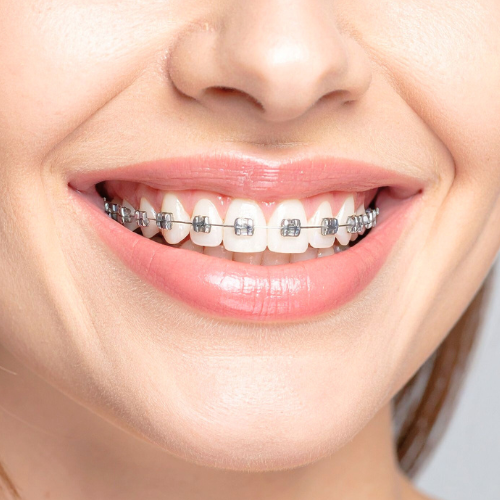
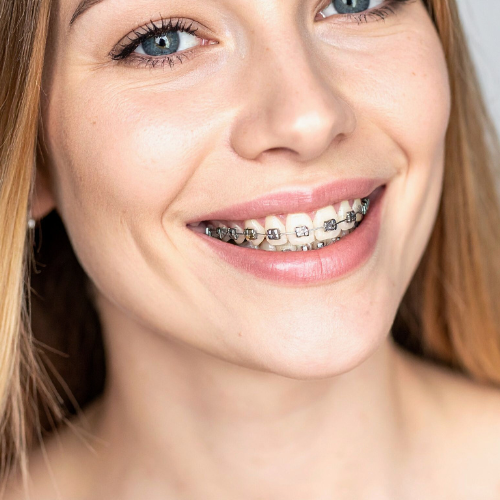
Braces: Braces are the most common type of orthodontic appliance. They consist of brackets bonded to the teeth and connected by wires and bands. Braces work by applying continuous pressure to move teeth into the desired position over time. Modern braces are more comfortable and efficient than ever, making them a popular choice for correcting a wide range of orthodontic issues. They are particularly effective for complex cases and can be customized with colored bands to add a personal touch.
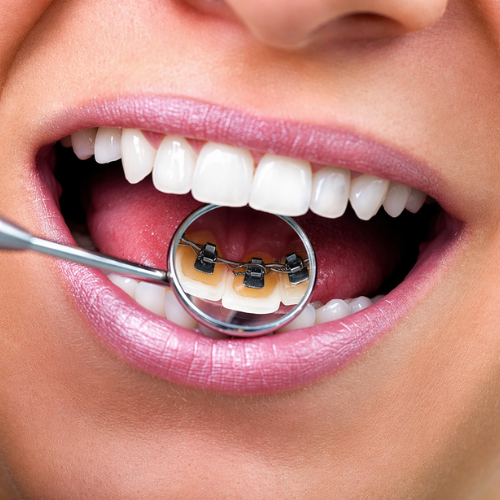
Lingual Braces: Lingual braces are similar to traditional braces but are placed on the inner surface of the teeth, making them less visible from the outside. This makes them an excellent option for individuals seeking a more discreet treatment. Lingual braces offer the same level of effectiveness as traditional braces but can be more challenging to clean and adjust. They require a high level of expertise from the orthodontist and may take longer to get used to due to their placement.
Fixed Space Maintainers: Fixed space maintainers are primarily used in pediatric dentistry. They are used to keep space open for permanent teeth after a baby tooth has been lost prematurely. This ensures that there is enough room for the permanent teeth to come in properly, preventing overcrowding and misalignment. Space maintainers are custom-made for each patient and are typically cemented to adjacent teeth to hold them in place.
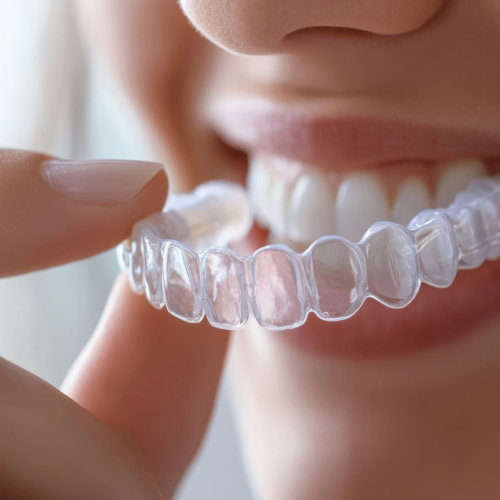
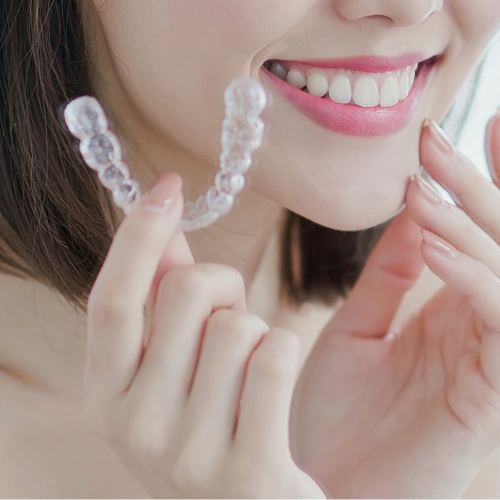
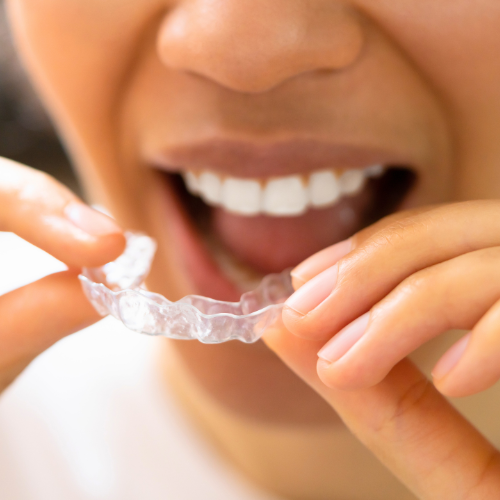
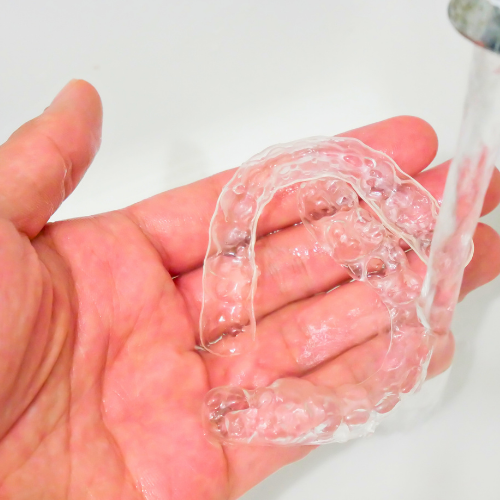
Clear Aligners: Clear aligners are custom-made, transparent trays that fit over the teeth and gradually move them into place. Invisalign is one of the most popular brands of clear aligners. These appliances are nearly invisible, making them a preferred choice for adults and teenagers who want a discreet orthodontic treatment. Clear aligners are removable, allowing for easy cleaning and the ability to eat without restrictions. They are best suited for mild to moderate orthodontic issues and require the patient to wear them for 20-22 hours a day for optimal results.
Removable Retainers: Removable retainers are used post-treatment to maintain the position of teeth and prevent them from shifting back to their original positions. They are typically worn at night and can be easily cleaned. Retainers are custom-made for each patient and can be either wire-based or clear, depending on the patient's preference. Consistent use of retainers is crucial to maintaining the results achieved through orthodontic treatment.
Palatal Expanders: Palatal expanders are devices used to widen the upper jaw to correct crossbites and create space for crowded teeth. They are often used in growing children to take advantage of their developing bone structure but can also be used in adults with more complex cases. Expanders are typically worn for several months and gradually widen the upper jaw by applying gentle pressure on the palate. This process can improve the bite and create a more harmonious alignment of the teeth and jaws.
Yes, there are several types of braces designed to cater to different aesthetic preferences and treatment needs. Each type offers unique benefits and considerations, allowing patients to choose the option that best fits their lifestyle and orthodontic requirements.
Traditional Metal Braces are the most common and cost-effective option for orthodontic treatment. Made of high-grade stainless steel, these braces consist of metal brackets attached to each tooth, connected by a wire that is periodically adjusted to guide teeth into their correct positions. Modern designs of traditional metal braces are much smaller, more comfortable, and more efficient than those used in the past. They can treat a wide range of dental issues, from minor tooth misalignment to more severe cases. Many young patients and even adults opt for colored bands to personalize their braces, making the treatment experience more enjoyable.
Ceramic Braces offer a more aesthetic alternative to traditional metal braces. These braces are made of clear or tooth-colored materials, making them less noticeable. Ceramic braces are particularly popular among adults and older teenagers who are concerned about the visual impact of braces. However, they tend to be slightly more expensive and can be more prone to staining if not cared for properly. Despite this, they provide the same level of effectiveness as metal braces and are a great option for those who want a subtler look during their orthodontic treatment.
Lingual Braces provide a unique solution for those seeking a truly invisible form of orthodontic treatment. Unlike traditional braces, lingual braces are placed on the inner surface of the teeth, making them invisible from the front. These braces are customized to fit the shape of your teeth and offer the same effectiveness as conventional braces. However, they can be more challenging to clean and adjust due to their positioning. Patients may also experience a longer adjustment period as they get used to the feel of braces on the inside of their teeth. Lingual braces are an excellent choice for individuals who need comprehensive orthodontic treatment but prefer not to have visible braces. They may not be suitable for all cases; your orthodontist will help guide you on which option is best for your specific case.
Clear Aligners have revolutionized orthodontic treatment by providing a nearly invisible and highly convenient option for straightening teeth. Clear aligners, such as Invisalign, are custom-made, removable trays that fit snugly over the teeth. They must be worn for 20-22 hours a day and are replaced every few weeks to gradually move the teeth into their desired positions. Clear aligners are suitable for mild to moderate orthodontic issues and are especially popular among adults and teenagers who want a discreet treatment option. Because they are removable, clear aligners allow for easier eating and cleaning, although they require a high level of patient compliance to be effective. They are ideal for those who want the flexibility to remove their orthodontic appliance during special occasions or when eating certain foods.
The variety of braces available today ensures that there is an option to meet every patient's needs and preferences. Whether you prioritize cost, appearance, convenience, or effectiveness, there is a type of braces that can help you achieve a beautiful, healthy smile. To determine which type of braces is best for you, consult with an experienced orthodontist who can guide you through the decision-making process and provide personalized recommendations based on your specific orthodontic goals.
The best type of braces for you depends on several factors, including the severity of your orthodontic issues, your lifestyle, and your aesthetic preferences.
Each type of braces has its advantages and potential drawbacks, so it’s essential to consult with an orthodontist to discuss your specific needs and preferences.
Orthodontic treatment is a significant investment in your oral health and overall well-being. With various types of appliances and braces available, there is a solution for everyone, whether you prioritize effectiveness, aesthetics, or convenience. To determine the best option for your unique smile, schedule an appointment with our dental office today. Our experienced orthodontists will guide you through the process and help you achieve the perfect smile you’ve always wanted.
Fresh news from the dental world
SEE WHAT A VISIT TO OUR MODERN, STATE-OF-THE-ART DENTIST OFFICE IS LIKE!


Monday - Friday 9am - 6pm
Saturday 9am - 3pm
Sunday Closed
Check out what our patients are saying in Houston, TX


“Never Thought I'd Say It”
I never thought I’d say it, but going to the dentist is actually fun now. I recently came in for a root canal, and I got to sit back and catch up on Stranger Things without any pain!

“Anxiety Has Kept Me Away ”
I usually have such huge anxiety when I go to a dentist appointment, which means I always put off visits until the last minute to disastrous consequences. However, Dr. Loggins helped me with sedation, so the entire process was a breeze!

“The Best Dentist In Houston”
We have been looking for a family dentist for a long time. Not too long ago we met Dr. Ali. Not only was he professional, kind, and gentle, but he always finds a way to fit us in when we need an appointment. He’s also pretty funny! I appreciate that he takes the time to explain what he’s doing, before he does it. That really puts me at ease.

“Part Of The Family”
When I come in for an exam, Dr. Alrajab makes me feel like I’m a part of his family. I haven’t had a single cavity or filling done since I started coming here, which is a real change from my last hygienist.
“Never Thought I'd Say It”
I never thought I’d say it, but going to the dentist is actually fun now. I recently came in for a root canal, and I got to sit back and catch up on Stranger Things without any pain!
“Anxiety Has Kept Me Away ”
I usually have such huge anxiety when I go to a dentist appointment, which means I always put off visits until the last minute to disastrous consequences. However, Dr. Loggins helped me with sedation, so the entire process was a breeze!
We are proud members of these dental organizations and accreditations


Check us out and follow our Houston, TX practice on social media...


