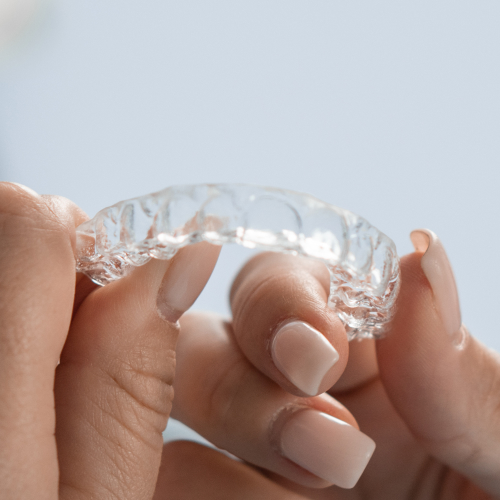
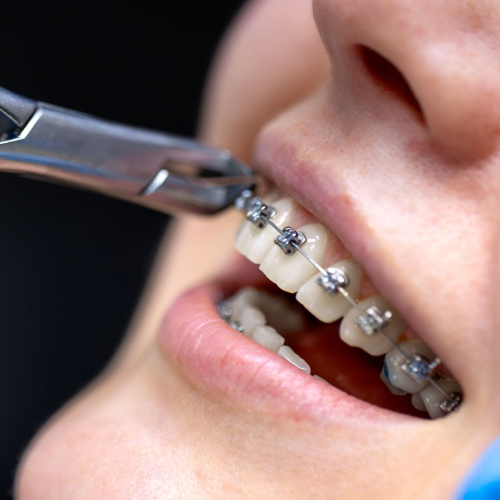
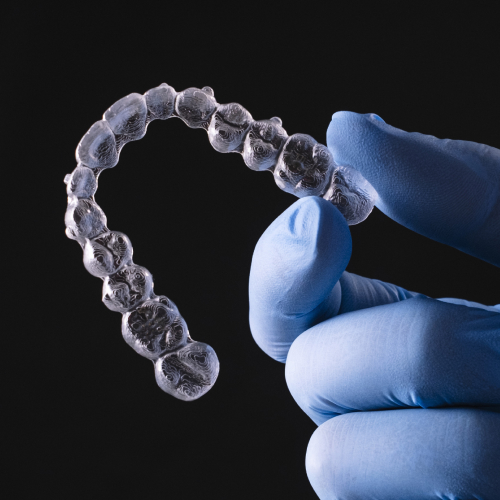
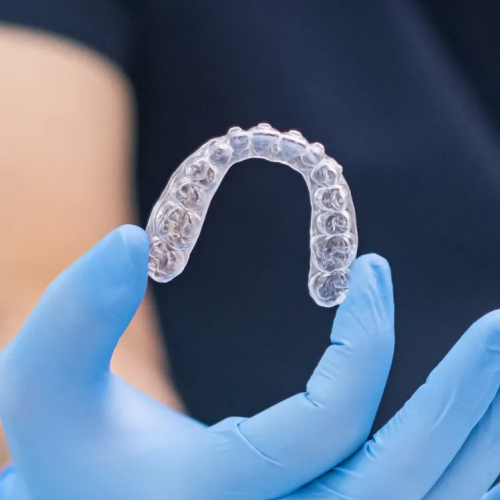
Spark vs. Invisalign vs. Ceramic Braces: What Houston Patients Need to Know
Comparing Spark vs. Invisalign vs. ceramic braces in Houston? Discover costs, benefits, and which orthodontic treatment is best for your smile. Book today!
Read More
Navigating the world of dental insurance can sometimes feel like exploring an intricate labyrinth. With various plans and terms to consider, it's no wonder patients often find themselves with more questions than answers. In this comprehensive guide, we'll delve into some of the most frequently asked questions about dental insurance, helping you make informed decisions for your oral health.
When considering the expenses associated with healthcare, dental insurance often seems like an additional cost that might be tempting to skip. Yet, a closer examination reveals the inherent value that dental insurance brings to the table. This value extends far beyond mere cost savings, encompassing aspects of health management, financial planning, and peace of mind.
Managing Costs of Essential Dental Care
Dental insurance plays a pivotal role in managing the costs of essential dental care. Regular check-ups and cleanings, which are crucial for maintaining oral health, can add up financially over time. Dental insurance typically covers a significant portion of these expenses, making preventative care more accessible and affordable. Moreover, it mitigates the financial impact of unforeseen dental procedures, such as fillings, crowns, root canals, and even more complex procedures like orthodontics or periodontal treatments. This coverage can be the difference between manageable dental expenses and overwhelming debt due to emergency dental care.
Preventive Care: The Cornerstone of Oral Health
The emphasis most dental insurance plans place on preventive care is more than a cost-saving strategy; it's a health-promoting approach. Regular dental visits are not just about cleaning teeth; they're opportunities for dentists to identify and address potential issues before they escalate into major problems. These early interventions can be simpler, less invasive, and more cost-effective than treatments needed for advanced conditions. By covering the cost of regular check-ups, dental insurance thus becomes a key player in maintaining your overall oral health.
The Long-Term Benefits of Dental Insurance
Another often overlooked aspect of dental insurance is its role in promoting long-term oral health. Regular dental care, facilitated by insurance coverage, can help prevent chronic diseases such as gum disease, which is linked to heart disease, stroke, and diabetes. In this way, dental insurance becomes an investment in your overall health, not just your oral hygiene.
Reducing the Risk of Dental Neglect
Without dental insurance, individuals may be tempted to skip regular check-ups and cleanings due to cost concerns. This neglect can lead to a cycle of deteriorating oral health and more expensive treatments in the future. Dental insurance encourages regular dental visits, helping break this cycle by making preventative care more affordable and accessible.
The Psychological Benefits
There's also a psychological comfort in knowing that you have dental insurance. It provides peace of mind, knowing that you're covered in case of dental emergencies or unexpected oral health issues. This mental ease can be significant, especially for families and individuals on a tight budget.
In summary, dental insurance is much more than an optional extra. It’s a crucial component of a comprehensive health care plan, offering both financial benefits and promoting long-term health and well-being. Ensuring that you have access to regular, quality dental care without the stress of high costs can make a significant difference in your life, both in terms of oral health and overall peace of mind.
Choosing the right dental insurance can be as crucial as selecting the right dentist. When faced with options like Preferred Provider Organization (PPO) and Health Maintenance Organization (HMO) plans, understanding the nuances of each becomes essential. Both types have their unique advantages, and the optimal choice varies based on individual needs, lifestyle, and financial considerations.
PPO: Flexibility and Choice
PPO plans are often celebrated for their flexibility and extensive choice of dental care providers. This type of plan is particularly appealing to those who have specific dental needs or preferences for certain dentists or specialists.
Wide Range of Dental Providers: One of the key benefits of PPO plans is the broad network of dentists available. This extensive network means that you are more likely to find a dentist who fits your specific needs, be it location, specialization, or experience. Additionally, PPO plans typically offer the freedom to visit dentists outside of the network, although at a higher out-of-pocket cost.
Customized Dental Care: The flexibility of PPO plans extends to the type of dental services covered. These plans often provide a wider array of services, including specialized treatments that might not be covered under HMO plans. This feature makes PPO plans highly attractive for those who anticipate needing specialized dental work.
Considerations of Cost: While PPO plans offer more flexibility, they usually come with higher premiums, deductibles, and co-payments. This can be a significant factor for those on a budget, but for many, the benefits of greater choice and flexibility outweigh the additional costs.
HMO: Cost-Efficiency and Simplicity
HMO plans, on the other hand, are designed for simplicity and cost efficiency. They are a popular choice for individuals and families looking for affordable dental care options.
Lower Premiums and No Deductibles: The most noticeable advantage of HMO plans is their affordability. These plans typically come with lower monthly premiums and often have no deductibles. This can translate into substantial savings, especially for those who primarily need preventive care and basic dental services.
Streamlined Care Coordination: HMO plans require choosing a primary care dentist from a specific network, which simplifies the process of selecting a dentist and scheduling appointments. This can be particularly convenient for individuals who prefer a straightforward approach to dental care.
Limited Flexibility: The trade-off for the lower cost of HMO plans is limited flexibility. You'll need to choose a dentist from within the plan's network, and referrals are often required for specialized treatments. While this might be constraining for some, others find the simplicity and lower costs align well with their needs.
Balancing Personal Needs and Preferences
Ultimately, the decision between PPO and HMO dental insurance plans hinges on a balance of personal preferences, financial considerations, and anticipated dental needs. Those valuing flexibility and a broader choice of providers might lean towards PPO plans, despite the higher costs. Conversely, those prioritizing affordability and simplicity might find HMO plans more appealing. Why is PPO More Expensive Than HMO? The higher cost of PPO plans can be attributed to several factors:
Broad Network and Flexibility
PPO plans offer a wider network of dentists and the flexibility to visit out-of-network providers, though at a higher cost. This increased choice and convenience often result in higher premiums.
Fee-for-Service Structure
PPOs typically operate on a fee-for-service model. This means you might pay a higher portion of the costs for dental services, contributing to the overall higher expense of these plans.
Balancing Cost with Needs
While PPO plans are more expensive, they can be a worthwhile investment for those who value choice and flexibility in their dental care. It's important to weigh the costs against your individual needs and preferences.
In conclusion, understanding dental insurance is key to making informed decisions about your oral health care. Whether you opt for a PPO or HMO plan, the importance of regular dental check-ups cannot be overstated. At our dental office, we're committed to helping you navigate your dental insurance options and ensuring you receive the best care possible. We encourage you to schedule an appointment with us today and take the first step towards a healthier, happier smile.
Ready to enhance your oral health? Contact us now to schedule your next dental appointment!
Fresh news from the dental world
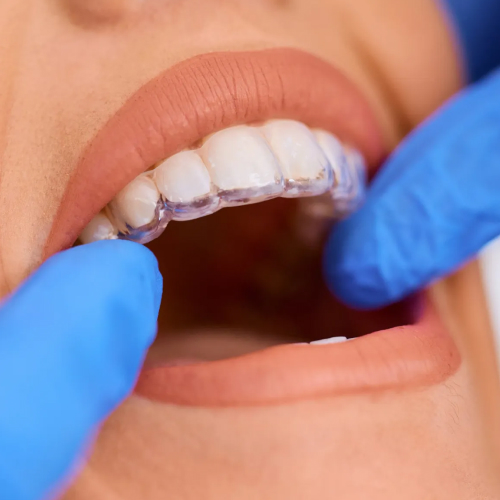
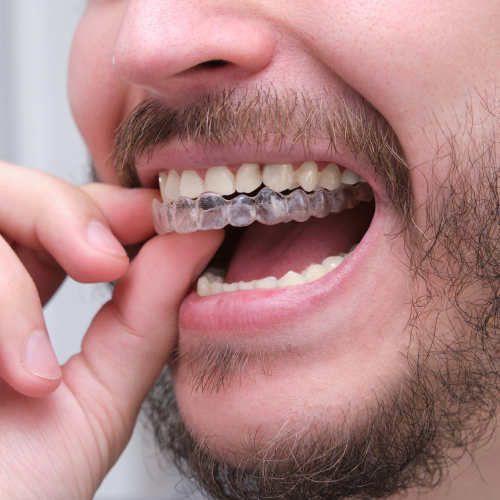
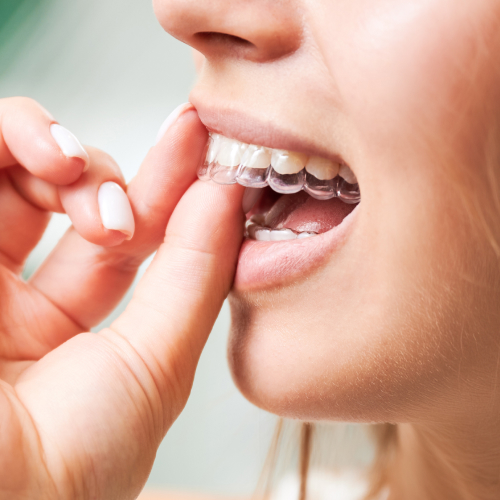

SEE WHAT A VISIT TO OUR MODERN, STATE-OF-THE-ART DENTIST OFFICE IS LIKE!
Monday - Friday 9am - 6pm
Saturday 9am - 3pm
Sunday Closed
Check out what our patients are saying in Houston, TX


“Never Thought I'd Say It”
I never thought I’d say it, but going to the dentist is actually fun now. I recently came in for a root canal, and I got to sit back and catch up on Stranger Things without any pain!

“Anxiety Has Kept Me Away ”
I usually have such huge anxiety when I go to a dentist appointment, which means I always put off visits until the last minute to disastrous consequences. However, Dr. Loggins helped me with sedation, so the entire process was a breeze!

“The Best Dentist In Houston”
We have been looking for a family dentist for a long time. Not too long ago we met Dr. Ali. Not only was he professional, kind, and gentle, but he always finds a way to fit us in when we need an appointment. He’s also pretty funny! I appreciate that he takes the time to explain what he’s doing, before he does it. That really puts me at ease.

“Part Of The Family”
When I come in for an exam, Dr. Alrajab makes me feel like I’m a part of his family. I haven’t had a single cavity or filling done since I started coming here, which is a real change from my last hygienist.
“Never Thought I'd Say It”
I never thought I’d say it, but going to the dentist is actually fun now. I recently came in for a root canal, and I got to sit back and catch up on Stranger Things without any pain!
“Anxiety Has Kept Me Away ”
I usually have such huge anxiety when I go to a dentist appointment, which means I always put off visits until the last minute to disastrous consequences. However, Dr. Loggins helped me with sedation, so the entire process was a breeze!
We are proud members of these dental organizations and accreditations


Check us out and follow our Houston, TX practice on social media...


