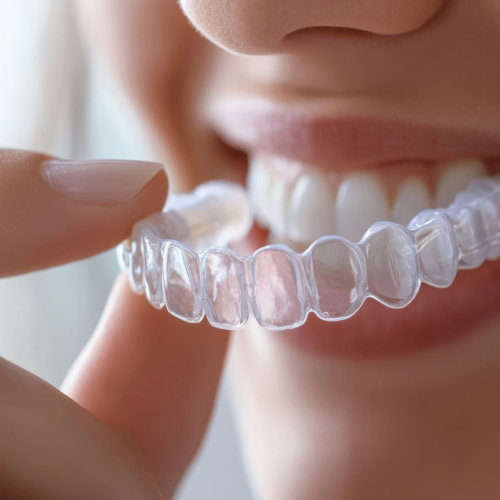
Why Your Invisalign Trays Aren't Fitting — and What to Do About It
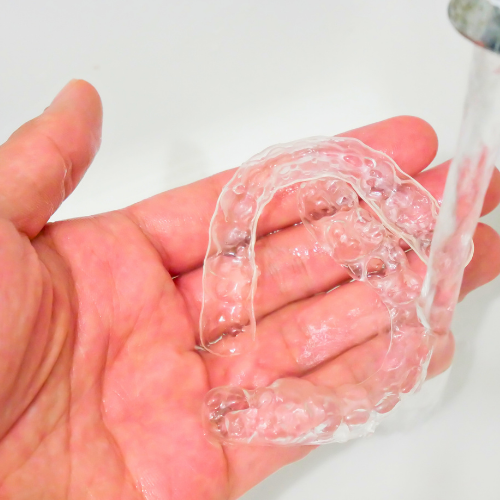
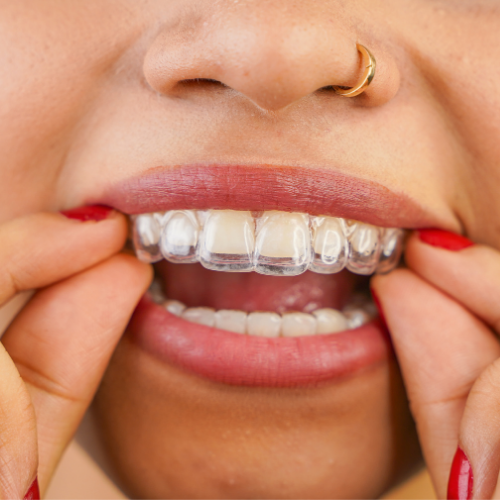
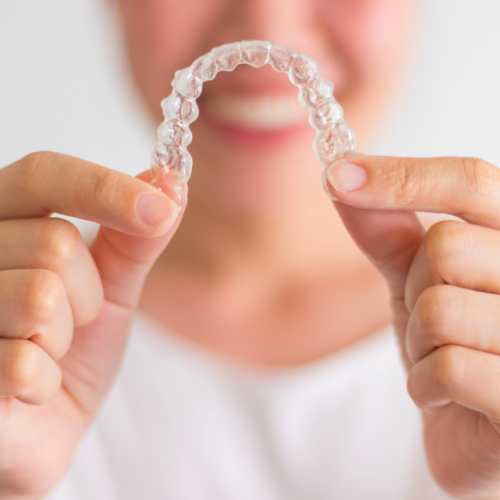
Invisalign trays not fitting right in Houston? Learn why gaps happen, what tracking means, and when refinements are needed. Call Nu Dentistry Tanglewood.
Read More
Dental anxiety is a common concern affecting many individuals, deterring them from seeking necessary dental care. This blog delves into the world of sedation dentistry, a solution designed to alleviate such fears, ensuring a calm and comfortable dental experience. By understanding the process and safety measures of sedation dentistry, we aim to encourage readers to schedule a consultation with our clinic, where their comfort and care are our top priorities.
Sedation dentistry is an innovative approach that revolutionizes the way patients experience dental procedures. By using various forms of medication, sedation dentistry helps in significantly reducing the anxiety and discomfort that many associate with dental visits. This technique ranges from minimal sedation, where the patient remains awake but in a relaxed state, to general anesthesia, which induces a state of complete unconsciousness. The kind of sedation chosen is typically based on the patient's level of anxiety and the nature of the dental procedure being undertaken.
Nitrous Oxide (Laughing Gas): This is a popular choice for its ease of administration and quick recovery time. Nitrous oxide is a mild sedative that is inhaled through a mask placed over the nose. It induces a state of relaxation and can sometimes create a sense of euphoria, hence the nickname "laughing gas." One of the main advantages of nitrous oxide is that its effects wear off rapidly after the mask is removed, allowing patients to drive themselves home and continue with their day without residual drowsiness.
Oral Sedation: This form involves taking a prescribed pill, typically Halcion, which is in the same drug family as Valium. The level of sedation achieved through oral sedation can range from minimal to moderate, depending on the dosage administered. With minimal sedation, patients remain awake but feel relaxed, whereas moderate sedation might cause some to doze off, though they can be easily awakened. It's important for patients to arrange for someone to drive them home after undergoing a procedure with oral sedation, as its effects can linger longer than those of nitrous oxide.
IV Sedation: Administered intravenously, this type of sedation takes effect much more quickly than oral sedation, and its level can be adjusted throughout the procedure. IV sedation can range from minimal to deep sedation, depending on the administered dose. Patients might feel as if they slept through the procedure, even if they were awake at times. Because of its stronger effects, patients will need someone to drive them home post-procedure.
General Anesthesia: This is the deepest form of sedation, where patients are completely unconscious. General anesthesia is typically reserved for extensive dental procedures or for patients with severe dental phobia. Due to its complexity and the deeper state of unconsciousness it induces, this type of sedation is closely monitored by dental professionals with specialized training in anesthesia. Recovery from general anesthesia takes longer, and patients will need someone to assist them post-procedure.
Choosing the Right Sedation for You
The decision regarding which type of sedation to use is a critical one and is made after a comprehensive consultation. This consultation involves a detailed discussion about the patient's medical history, their level of anxiety, and the specific dental procedure involved. It is also an opportunity for patients to voice their concerns and preferences. Our dental team prioritizes patient safety and comfort, and we work closely with each individual to determine the most appropriate sedation method. It’s important for patients to be open about their medical history, current medications, and overall health to ensure the safest and most effective sedation choice.
Sedation dentistry offers a range of options to make dental procedures more comfortable for patients with varying levels of anxiety. By understanding each type of sedation and its implications, patients can make informed decisions and approach dental care with more confidence and less apprehension.
Sleep dentistry, a term often synonymous with sedation dentistry that involves general anesthesia, is a specialized field of dental care. It's primarily used for patients who experience extreme dental anxiety or phobia, as well as for those undergoing complex or lengthy dental procedures. The process involves administering medication that puts patients into a deep sleep, thereby eliminating any awareness or discomfort during the dental treatment.
Who Performs Sleep Dentistry?
In our clinic, sleep dentistry is carried out by a team of highly trained and experienced dentists who specialize in sedation techniques, particularly in administering and monitoring general anesthesia. These professionals have undergone extensive training beyond dental school, equipping them with the skills to safely administer anesthesia, monitor patients during the procedure, and manage any potential complications.
Our team includes dental anesthesiologists, who are dentists with additional training in anesthesia, and they work alongside our regular dentists to provide a seamless and safe experience. They are proficient in assessing patient's medical histories, determining appropriate sedation levels, and adjusting anesthesia as needed during procedures.
The Role of Technology in Sleep Dentistry
Our clinic utilizes state-of-the-art monitoring equipment to continuously track vital signs such as heart rate, blood pressure, oxygen levels, and respiratory rates throughout the procedure. This technology ensures that the patient's critical functions are maintained at optimal levels, and any deviations are addressed immediately.
Preparing for Sleep Dentistry
Patients opting for sleep dentistry must adhere to specific preparation guidelines to ensure their safety and the effectiveness of the anesthesia. These guidelines typically include:
Fasting: Patients are generally required to fast (not eat or drink) for a certain number of hours before the procedure. This is crucial to prevent the risk of aspirating food or liquids into the lungs while under anesthesia.
Medical History Review: A thorough review of the patient’s medical history, current medications, and allergies is conducted. This information helps in tailoring the anesthesia plan to the patient's specific needs.
Pre-Procedure Consultation: Prior to the day of the procedure, a consultation is usually scheduled. This is an opportunity for patients to ask questions and for dentists to provide detailed instructions and reassurances about the process.
Arranging Transportation: Since patients will not be able to drive following the procedure due to the lingering effects of anesthesia, they must arrange for a responsible adult to take them home.
Post-Procedure Care: Patients receive detailed instructions regarding post-procedure care, which may include rest, limited physical activity, and specific dietary guidelines.
In conclusion, sleep dentistry at our clinic is a carefully orchestrated process, managed by skilled professionals to ensure the highest standards of patient safety and comfort. By choosing sleep dentistry, patients with dental anxiety or those undergoing complex procedures can receive the dental care they need in a stress-free and painless manner.
While any procedure involving anesthesia has risks, sedation dentistry is generally safe when performed by experienced dentists. We adhere to stringent guidelines and use state-of-the-art monitoring equipment to ensure patient safety.
Risk Assessment and Management: A comprehensive assessment of the patient's health history is conducted to minimize risks. The team is trained to manage any unexpected reactions to sedation.
Continuous Monitoring and Support: During sedation, vital signs are continuously monitored. In the rare event of complications, our team is equipped to provide immediate intervention.
Dental anxiety should not prevent you from receiving necessary dental care. Sedation dentistry offers a comfortable, anxiety-free experience. We invite you to schedule a consultation at our clinic, where we prioritize your comfort and well-being. Let us help you achieve a healthy smile without fear.
Fresh news from the dental world

SEE WHAT A VISIT TO OUR MODERN, STATE-OF-THE-ART DENTIST OFFICE IS LIKE!


Monday - Friday 9am - 6pm
Saturday 9am - 3pm
Sunday Closed
Check out what our patients are saying in Houston, TX


“Never Thought I'd Say It”
I never thought I’d say it, but going to the dentist is actually fun now. I recently came in for a root canal, and I got to sit back and catch up on Stranger Things without any pain!

“Anxiety Has Kept Me Away ”
I usually have such huge anxiety when I go to a dentist appointment, which means I always put off visits until the last minute to disastrous consequences. However, Dr. Loggins helped me with sedation, so the entire process was a breeze!

“The Best Dentist In Houston”
We have been looking for a family dentist for a long time. Not too long ago we met Dr. Ali. Not only was he professional, kind, and gentle, but he always finds a way to fit us in when we need an appointment. He’s also pretty funny! I appreciate that he takes the time to explain what he’s doing, before he does it. That really puts me at ease.

“Part Of The Family”
When I come in for an exam, Dr. Alrajab makes me feel like I’m a part of his family. I haven’t had a single cavity or filling done since I started coming here, which is a real change from my last hygienist.
“Never Thought I'd Say It”
I never thought I’d say it, but going to the dentist is actually fun now. I recently came in for a root canal, and I got to sit back and catch up on Stranger Things without any pain!
“Anxiety Has Kept Me Away ”
I usually have such huge anxiety when I go to a dentist appointment, which means I always put off visits until the last minute to disastrous consequences. However, Dr. Loggins helped me with sedation, so the entire process was a breeze!
We are proud members of these dental organizations and accreditations


Check us out and follow our Houston, TX practice on social media...


