
Dental Implants in Houston: What Actually Determines Long-Term Success
Considering dental implants in Houston? Learn what determines long-term success: bone foundation, materials, and surgical planning. Book a consultation at Nu Dentistry.
Read More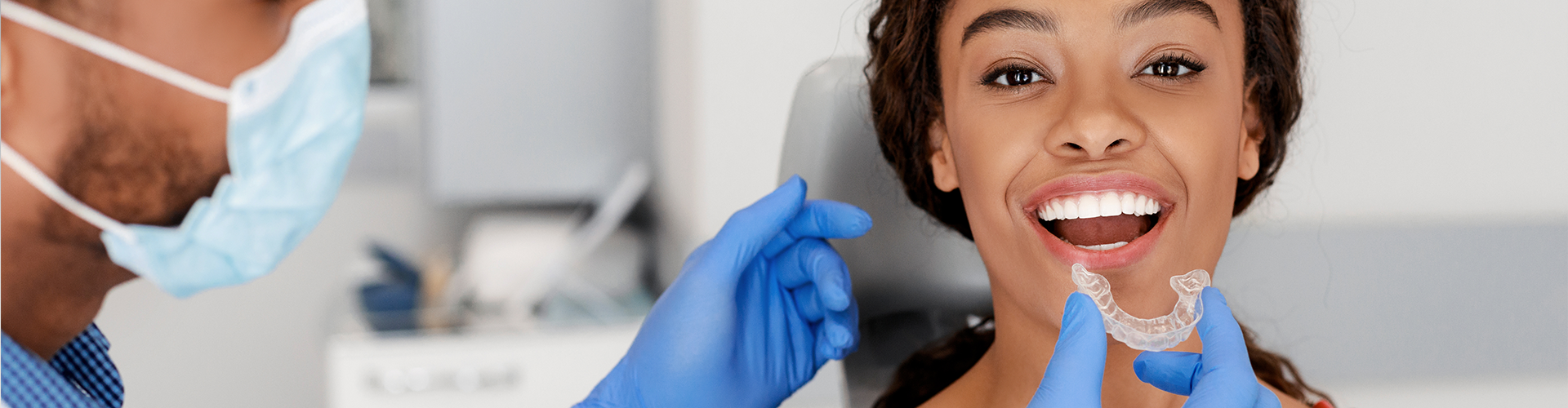
If you’ve ever daydreamed about a straighter smile, you’re in good company. Most of us want teeth that look and feel their best, but not everyone is born with naturally perfect alignment. That’s why orthodontic solutions—like braces and Invisalign—have become trusted, reliable ways to achieve that winning grin. At Nu Dentistry Tanglewood, we see patients of all ages embark on the path to beautifully aligned teeth, and one of the most common questions is: How do these treatments really work?
In this blog, we’ll dive into how both braces and Invisalign straighten teeth, what makes them tick, and why you might choose one method over the other. We’ll also discuss some frequently wondered-about topics—but in a fun, conversational way (because no one wants a boring lecture). Think of this as a friendly conversation with a dentist who loves chatting about teeth but promises not to judge you for forgetting to floss once in a while.
Before we jump into the specifics of braces versus Invisalign, it’s helpful to know what’s happening beneath the surface. Your teeth aren’t actually locked in place like concrete pillars. Each tooth is surrounded by living tissue and sits in a socket within your jawbone. When gentle, consistent pressure is applied to a tooth, the bone around it can reshape (or remodel) to accommodate the tooth’s new position. Essentially, your body is amazingly adaptive. Over time, those small amounts of pressure result in teeth shifting to healthier and more attractive positions.
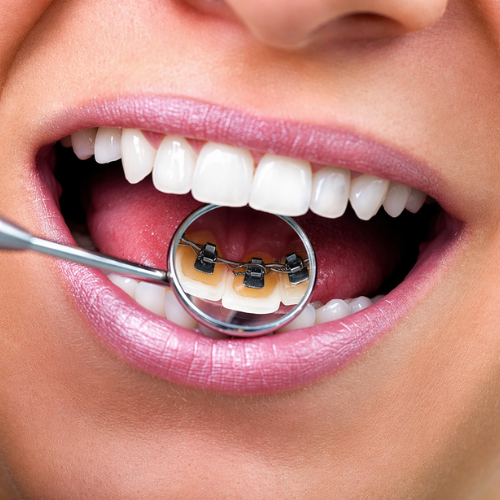
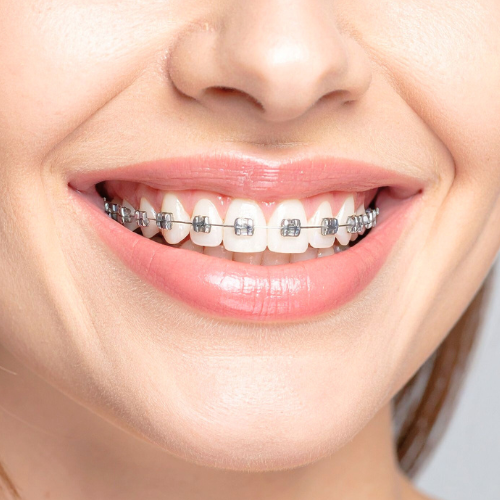
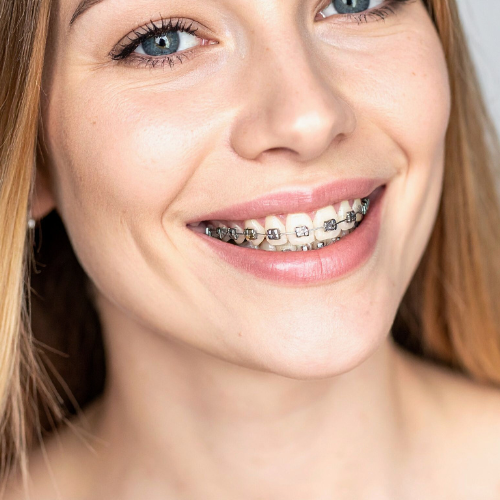
Braces use a system of brackets, wires, and sometimes rubber bands or additional appliances. Your orthodontist attaches small brackets to each tooth and threads a wire through them. Tightening or adjusting this wire changes the pressure on your teeth. Slowly but surely, your teeth move into alignment.
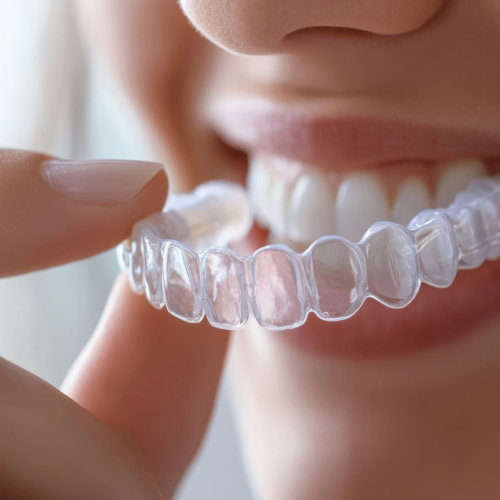
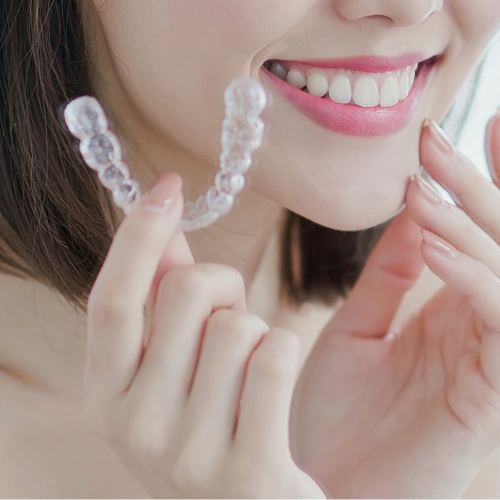
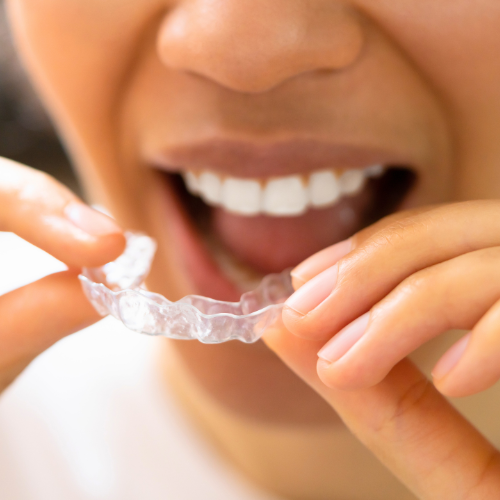
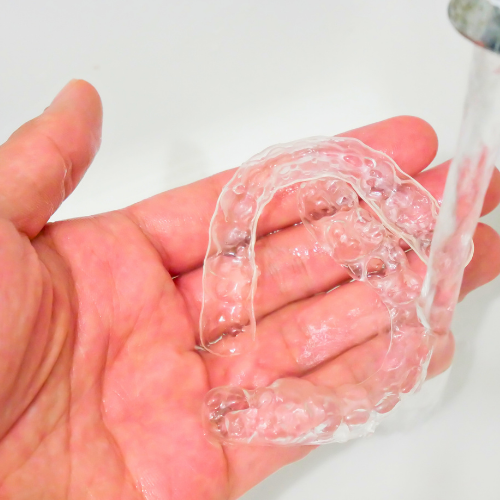
Invisalign (a brand of clear aligners) uses a set of custom-fitted plastic trays that fit snugly over your teeth. Each aligner is designed to make slight adjustments, and every couple of weeks, you switch to a new aligner that continues moving your teeth along a planned path. Because they’re nearly invisible and removable, some people find Invisalign more convenient and discreet than braces.
It’s easy to look at braces and just see wires and brackets. But it’s the gentle, consistent force that gets the real work done. Here’s a snapshot of the process:
Braces are tried-and-true, and they’re typically a great option for all sorts of orthodontic issues—from mild crowding to more complex bite problems. Many of our patients appreciate the predictability of braces, although some prefer a less noticeable look. That’s where Invisalign steps in.
Invisalign has become increasingly popular over the last few decades, and for good reason. Patients love that the aligners are clear, so most people won’t even realize you’re wearing them. But do these sleek plastic trays measure up to old-school braces in terms of results? Let’s break it down.
If you’re looking for an almost “invisible” approach and you’re disciplined about wearing your aligners, Invisalign may well be the perfect fit. Many adults and teens find this option very appealing. Plus, you can still enjoy your favorite foods—just be sure to clean your teeth before reinserting your aligners!
Deciding between braces and Invisalign (or deciding to straighten your teeth at all) can feel overwhelming. But there’s good news: you don’t have to figure it out alone. An orthodontic consultation can give you a clear idea of which route is best for your smile. Here are a few things to consider:
Gone are the days when only teenagers wore braces. Adult orthodontics is more popular than ever. It doesn’t matter if you’re 15, 25, 45, or beyond—if you want straighter teeth and a healthier bite, modern dentistry has a solution that can work for you.
Many adults choose Invisalign because of the low-key look and convenience, but plenty of adults still go for braces as well—especially if they want a trusted method that corrects even complicated alignment concerns. And if you started orthodontic treatment in your youth but didn’t follow through with retainers (it happens!), you may find yourself dealing with shifting teeth all over again. Don’t worry! A touch-up with braces or Invisalign can set things right.
If you’re tired of feeling self-conscious about crooked or crowded teeth, let’s talk about your options. Reach out to our team at Nu Dentistry Tanglewood to schedule a consultation. We’ll happily walk you through the benefits of braces versus Invisalign, give you an honest assessment of what would work best for your teeth, and answer any questions you have along the way.
Don’t wait—the path to a straighter, healthier smile is just a phone call away. We look forward to meeting you and helping you discover the confidence that comes from a beautifully aligned smile!
Fresh news from the dental world
SEE WHAT A VISIT TO OUR MODERN, STATE-OF-THE-ART DENTIST OFFICE IS LIKE!


Monday - Friday 9am - 6pm
Saturday 9am - 3pm
Sunday Closed
Check out what our patients are saying in Houston, TX


“Never Thought I'd Say It”
I never thought I’d say it, but going to the dentist is actually fun now. I recently came in for a root canal, and I got to sit back and catch up on Stranger Things without any pain!

“Anxiety Has Kept Me Away ”
I usually have such huge anxiety when I go to a dentist appointment, which means I always put off visits until the last minute to disastrous consequences. However, Dr. Loggins helped me with sedation, so the entire process was a breeze!

“The Best Dentist In Houston”
We have been looking for a family dentist for a long time. Not too long ago we met Dr. Ali. Not only was he professional, kind, and gentle, but he always finds a way to fit us in when we need an appointment. He’s also pretty funny! I appreciate that he takes the time to explain what he’s doing, before he does it. That really puts me at ease.

“Part Of The Family”
When I come in for an exam, Dr. Alrajab makes me feel like I’m a part of his family. I haven’t had a single cavity or filling done since I started coming here, which is a real change from my last hygienist.
“Never Thought I'd Say It”
I never thought I’d say it, but going to the dentist is actually fun now. I recently came in for a root canal, and I got to sit back and catch up on Stranger Things without any pain!
“Anxiety Has Kept Me Away ”
I usually have such huge anxiety when I go to a dentist appointment, which means I always put off visits until the last minute to disastrous consequences. However, Dr. Loggins helped me with sedation, so the entire process was a breeze!
We are proud members of these dental organizations and accreditations


Check us out and follow our Houston, TX practice on social media...


