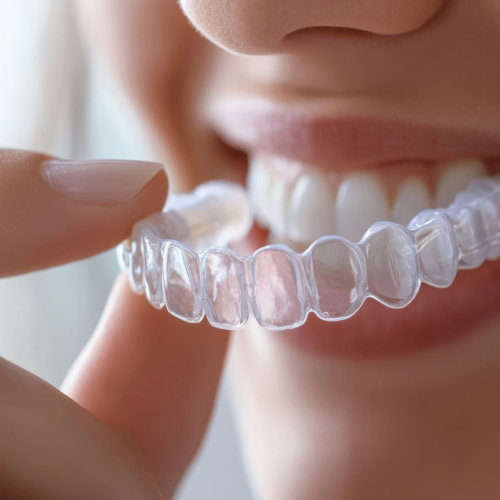
Why Your Invisalign Trays Aren't Fitting — and What to Do About It
Invisalign trays not fitting right in Houston? Learn why gaps happen, what tracking means, and when refinements are needed. Call Nu Dentistry Tanglewood.
Read More
Choosing the right dental insurance can seem like a daunting task, especially if you're a beginner. With a plethora of terms like 'deductibles', 'annual maximums', and 'waiting periods', it’s easy to get lost in the fine print. But wory not, this comprehensive guide is here to help you navigate the maze of dental insurance.
Before diving into the specifics of what to look for in a dental insurance plan, it's essential to understand the different types of dental insurance available. The three primary types are:
Dental Health Maintenance Organization (DHMO): This type of insurance involves a network of dentists who agree to provide specific treatments at pre-set fees. These plans often have lower premiums but limit you to dentists within the network.
Preferred Provider Organization (PPO): PPO plans allow you to visit any dentist, but you'll pay less if you use a dentist from the insurance company's preferred network. These plans tend to have higher premiums but offer more flexibility.
Indemnity or Fee-for-Service Plans: These plans offer the greatest choice of dentists, as they allow you to visit any dentist you like. The insurance company pays a percentage of the charges, and you’re responsible for the rest.
Understanding these types will help you decide which plan best fits your needs.
Generally, dental services under insurance plans are divided into four main categories:
Preventive Care
The first category, preventive care, is the cornerstone of dental health. This includes routine services aimed at preventing dental problems before they start, promoting a lifetime of healthy smiles. Services typically classified as preventive care include:
Most dental plans offer full coverage for preventive care, aiming to avoid more extensive and costly treatments down the road. However, ensure to check the fine print as the frequency of covered services may vary between plans.
Basic Procedures
The next category is basic procedures. These treatments are more involved than preventive care and typically address minor issues that may have been identified during routine check-ups. Coverage for basic procedures is usually partial, around 70-80%. Common basic procedures include:
While these procedures are termed "basic," they are essential in maintaining oral health and preventing further complications.
Major Procedures
Major procedures refer to more complex and often more expensive dental treatments. They usually require more time, expertise, and materials to perform, hence they fall into a category with typically lower coverage, around 50%. Major procedures can include:
Each of these treatments aims to restore your smile if you've experienced significant dental issues or tooth loss.
Orthodontics
The final category is orthodontics, a specialized branch of dentistry that corrects teeth and jaw alignment problems using devices like braces and aligners. The coverage for orthodontic work can vary widely between insurance plans:
It's vital to review the specific orthodontic coverage offered by a plan, especially if you or your family members anticipate needing alignment correction.
Now that we've covered the basics, let's delve into the key considerations when choosing a dental insurance plan:
Dentist Network: If you already have a dentist you trust, check if they are in-network for the insurance you are considering. Being out-of-network can significantly increase your out-of-pocket costs.
Coverage: Review the coverage for different categories of dental work. A good plan should cover 100% of preventive care. Ensure the insurance provides reasonable coverage for basic and major procedures, especially if you anticipate needing such work.
Annual Maximums: Many dental insurance plans have an annual maximum they will pay for dental work. If you expect to need extensive dental work, look for a plan with a high annual maximum or consider one without a maximum.
Deductibles and Copays: Understand the cost-sharing aspects of your plan. Lower premiums often mean higher out-of-pocket costs when you need care.
Waiting Periods: Some plans impose waiting periods for certain procedures. This means you must be enrolled in the plan for a specific period before you receive coverage for these services.
Premiums: Premiums are the monthly or annual fees you pay for insurance. Consider if the cost of the premiums fits into your budget.
The answer to this question is subjective and depends on individual needs and circumstances. There is no one-size-fits-all solution. Someone needing orthodontic work would require a different plan compared to someone who only needs preventive care.
However, some plans are known for their extensive coverage and reasonable costs. For instance, Delta Dental and Cigna are often recognized for their comprehensive PPO plans. Careington is another popular option, offering affordable dental discount plans.
Remember, the best dental insurance for you is one that provides the coverage you need, allows you to see your preferred dentist, fits within your budget, and has a straightforward and efficient claims process.
Choosing the right dental insurance doesn't have to be a challenge. With a little research and a solid understanding of your dental needs, you can find a plan that offers the right balance between coverage, cost, and flexibility.
Our dental team is here to help you get the most out of your dental care, regardless of your insurance. If you still have questions about dental insurance or want to schedule a consultation, we would be more than happy to assist. After all, your smile is our priority. Here's to healthy teeth and happy smiles!
Fresh news from the dental world



SEE WHAT A VISIT TO OUR MODERN, STATE-OF-THE-ART DENTIST OFFICE IS LIKE!


Monday - Friday 9am - 6pm
Saturday 9am - 3pm
Sunday Closed
Check out what our patients are saying in Houston, TX


“Never Thought I'd Say It”
I never thought I’d say it, but going to the dentist is actually fun now. I recently came in for a root canal, and I got to sit back and catch up on Stranger Things without any pain!

“Anxiety Has Kept Me Away ”
I usually have such huge anxiety when I go to a dentist appointment, which means I always put off visits until the last minute to disastrous consequences. However, Dr. Loggins helped me with sedation, so the entire process was a breeze!

“The Best Dentist In Houston”
We have been looking for a family dentist for a long time. Not too long ago we met Dr. Ali. Not only was he professional, kind, and gentle, but he always finds a way to fit us in when we need an appointment. He’s also pretty funny! I appreciate that he takes the time to explain what he’s doing, before he does it. That really puts me at ease.

“Part Of The Family”
When I come in for an exam, Dr. Alrajab makes me feel like I’m a part of his family. I haven’t had a single cavity or filling done since I started coming here, which is a real change from my last hygienist.
“Never Thought I'd Say It”
I never thought I’d say it, but going to the dentist is actually fun now. I recently came in for a root canal, and I got to sit back and catch up on Stranger Things without any pain!
“Anxiety Has Kept Me Away ”
I usually have such huge anxiety when I go to a dentist appointment, which means I always put off visits until the last minute to disastrous consequences. However, Dr. Loggins helped me with sedation, so the entire process was a breeze!
We are proud members of these dental organizations and accreditations


Check us out and follow our Houston, TX practice on social media...


